HIGH STRENGTH GRADE · ≥4200 MPa Primary Structure Capable

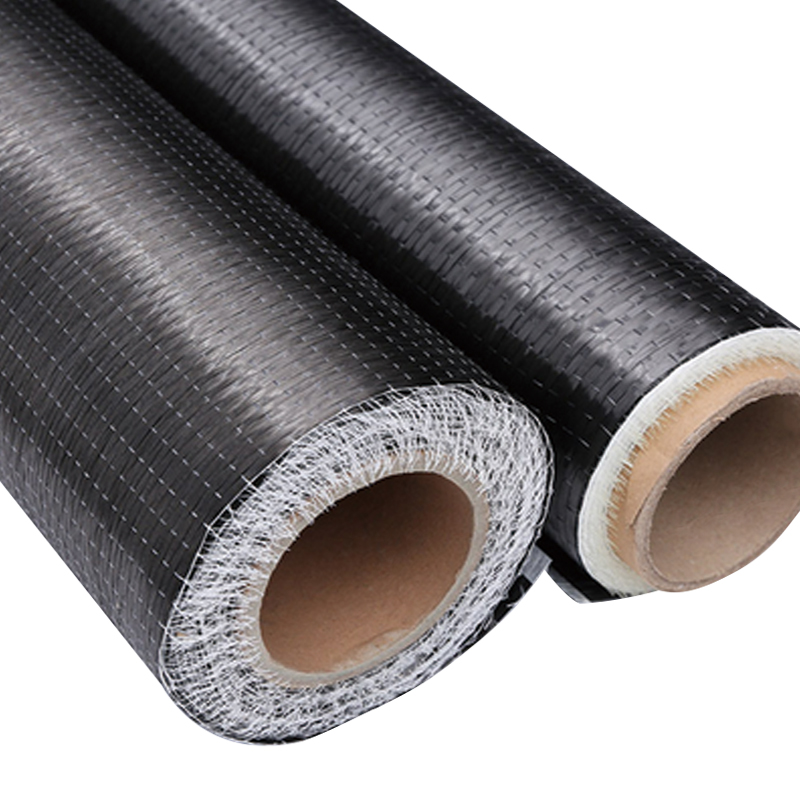
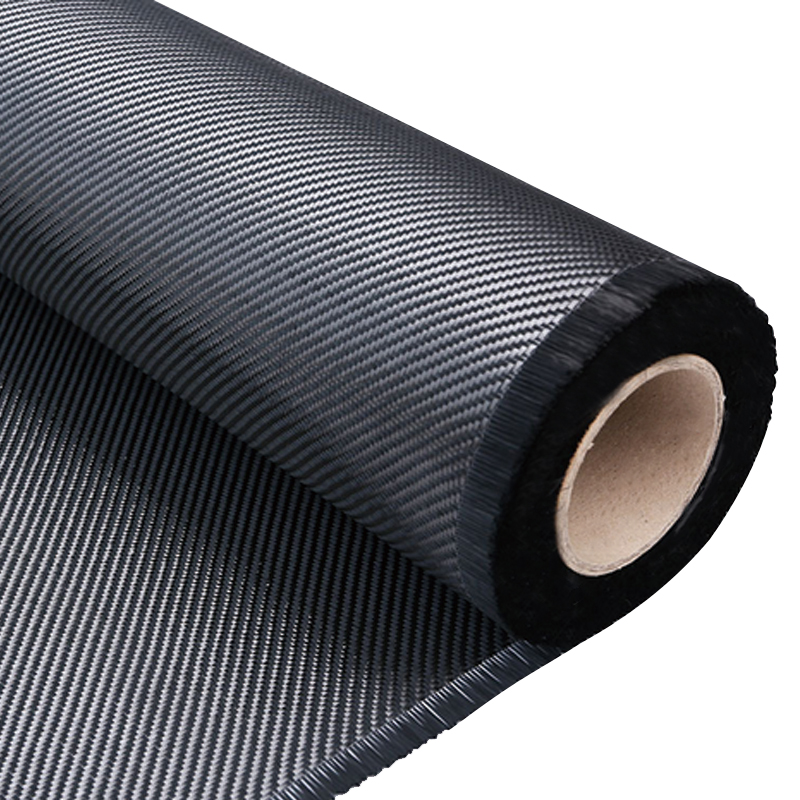
High Strength Carbon Fiber Fabric

Woven carbon reinforcement manufactured from premium PAN precursor processed for maximum tensile performance. Fiber-level tensile strength is held at or above 4200 MPa, giving roughly 15% to 20% more load capacity than standard modulus fabric at equivalent areal weight. Specified for primary structures where weight and strength both matter.

Tensile Strength ≥ 4200 MPa Modulus 235 - 240 GPa Strain 1.8% - 2.1%
4200 MPa Minimum fiber tensile strength
Performance Profile

What Sets High Strength Grade Apart

High strength carbon fiber is produced from a premium PAN precursor and processed under tightened carbonization conditions to maximise tensile strength. Standard modulus carbon generally sits between 3500 and 3800 MPa. High strength grade sits at 4200 MPa and above, which directly increases the load a given cross section can carry before failure.

The higher strength figure matters most in applications where ply count is fixed by geometry or thickness limits, and where added strength cannot be recovered by adding material. It also improves energy absorption in dynamic load cases, which is why the grade is commonly specified for crash structures, spar caps, and pressure components.

15-20% Higher tensile capacity versus standard modulus fabric
1.8-2.1% Strain to failure, supporting energy absorption
58-62% Fiber volume fraction under autoclave or press cure

Mechanical Data

Tensile Strength ≥ 4200 MPa Fiber level, ASTM D4018
Tensile Modulus 235 - 240 GPa Standard modulus class
Strain to Failure 1.8% - 2.1% Higher than standard grade
Fiber Density 1.79 g/cm³ Consistent across batches
Interlaminar Shear ≥ 85 MPa Laminate, epoxy matrix
Compressive Strength ≥ 1200 MPa 0 degree, epoxy laminate

Specification

Fiber Type PAN High Strength
Tow Sizes 3k / 6k / 12k
Weave Patterns Plain / Twill / 4HS
Areal Weight 200 - 800 g/m²
Thickness 0.26 - 1.05 mm
Sizing Epoxy Compatible
Roll Width 1000 - 1500 mm
Roll Length 25 / 50 / 100 m

Resin and Cure

To realise the full tensile capability of the fiber, the resin system must be matched in strain capacity. Structural epoxy systems with glass transition of 180°C or higher are recommended. Toughened grades improve impact performance where dynamic loads apply.

Recommended Resin Structural epoxy, Tg ≥ 180°C
Resin Strain Requirement Above 2% to avoid matrix cracking
Autoclave Pressure 5 - 7 bar
Cure Temperature Up to 180°C
Vacuum Bag Only Vf 55% - 58%
Autoclave Vf 58% - 62%

Application Areas

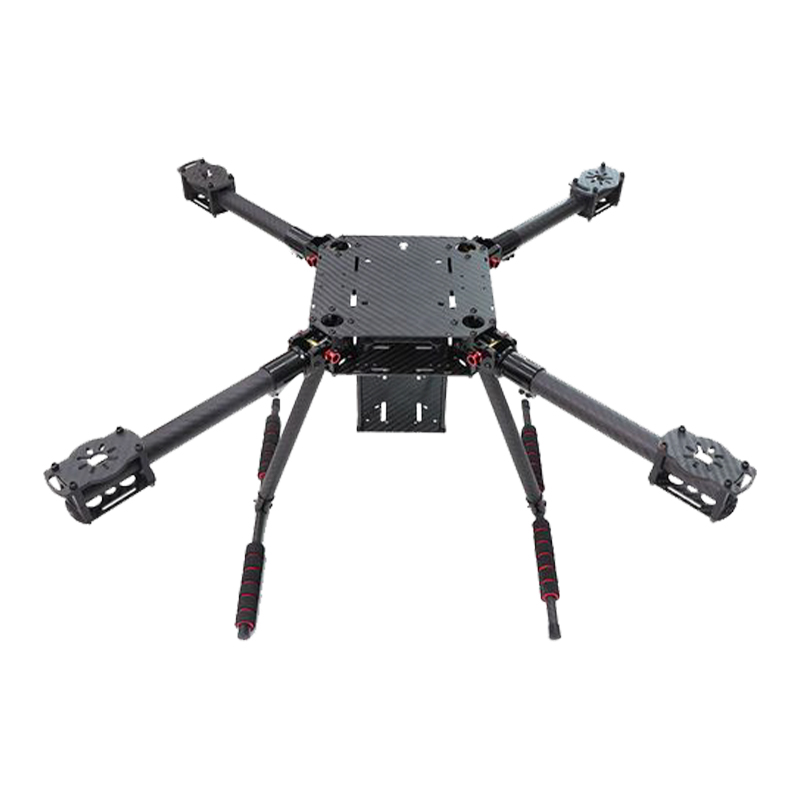
Aerospace Wing spars, fuselage frames, landing gear components, primary structural members
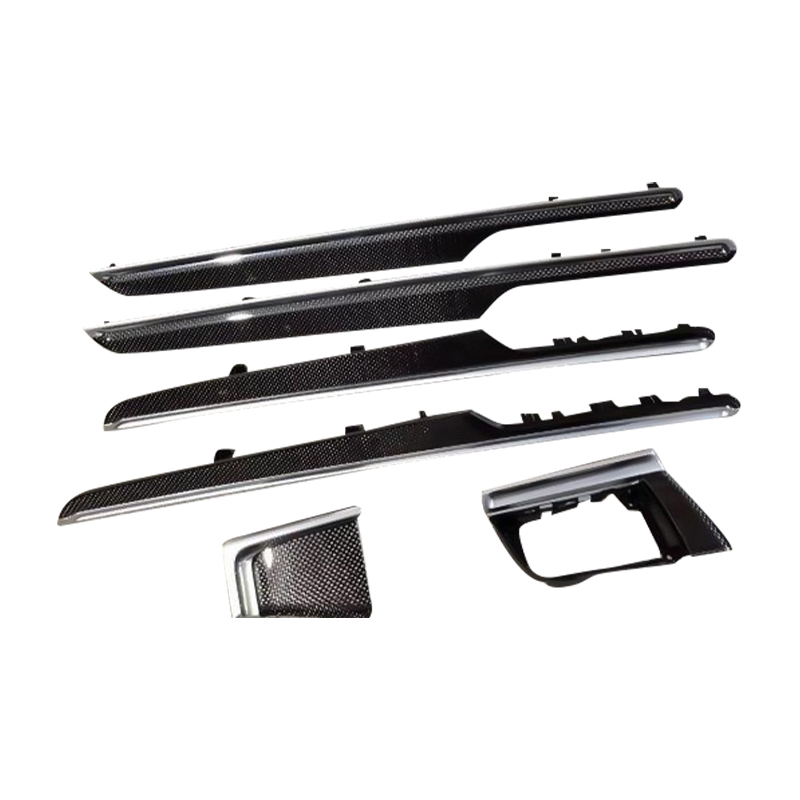
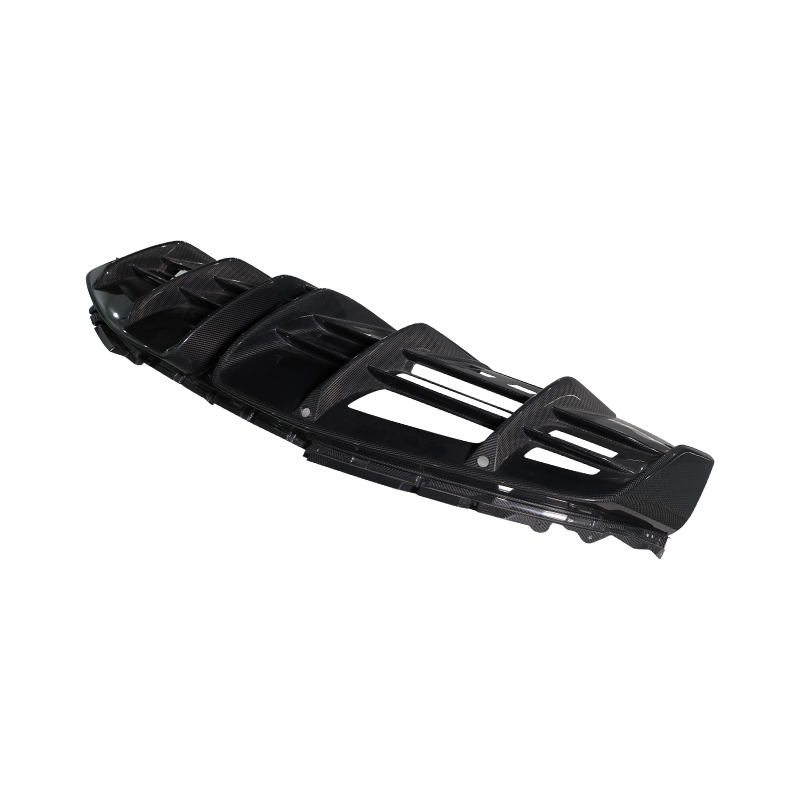
Automotive Crash structures, suspension arms, chassis reinforcement, drive shafts
Wind Energy Blade spar caps, root sections, shear webs for large rotors
Marine Masts, spars, hull reinforcement, deck beams for performance vessels
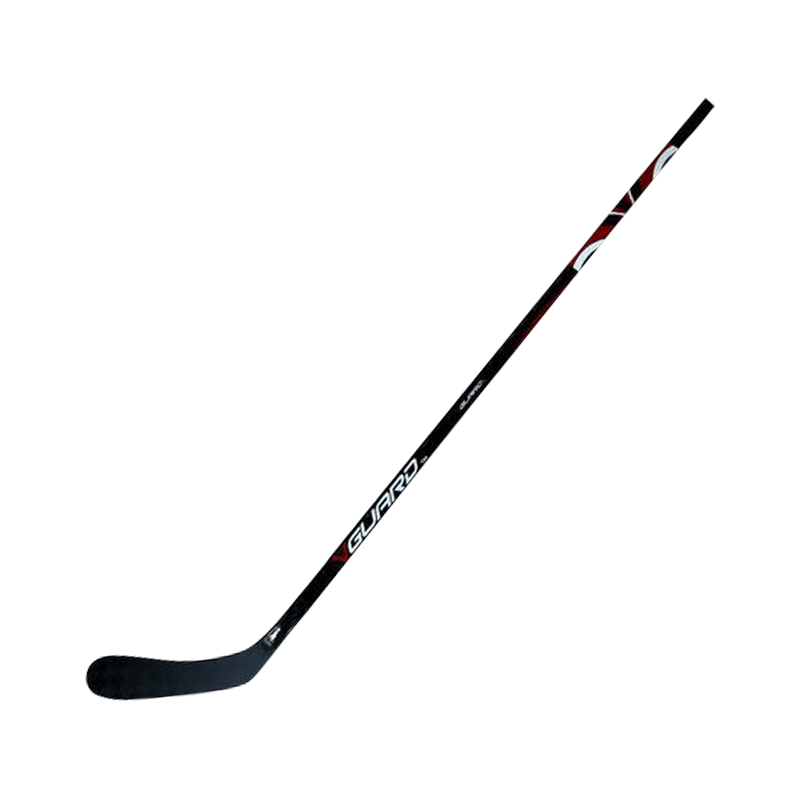
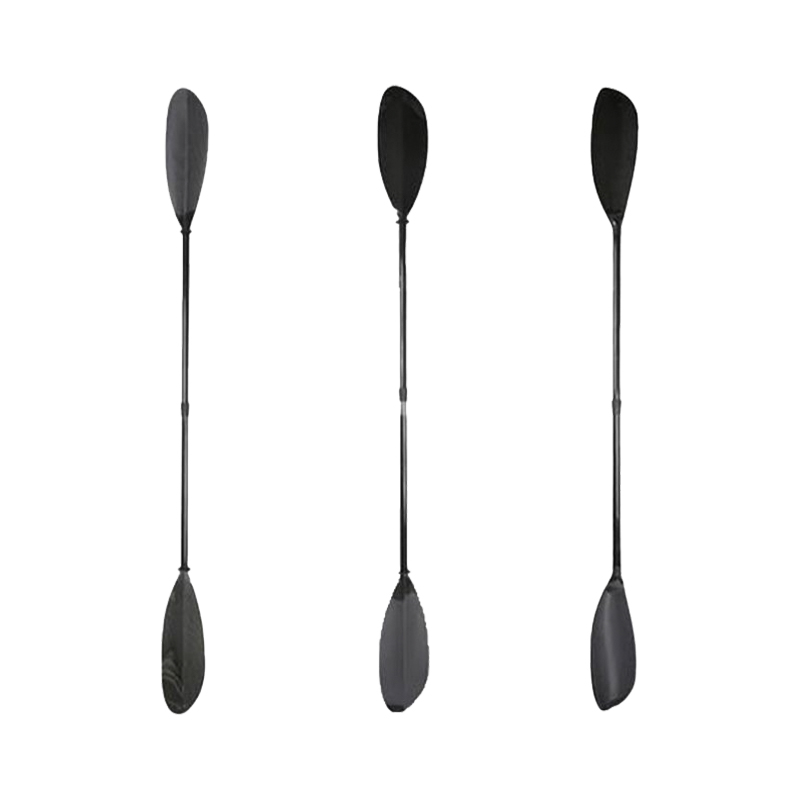
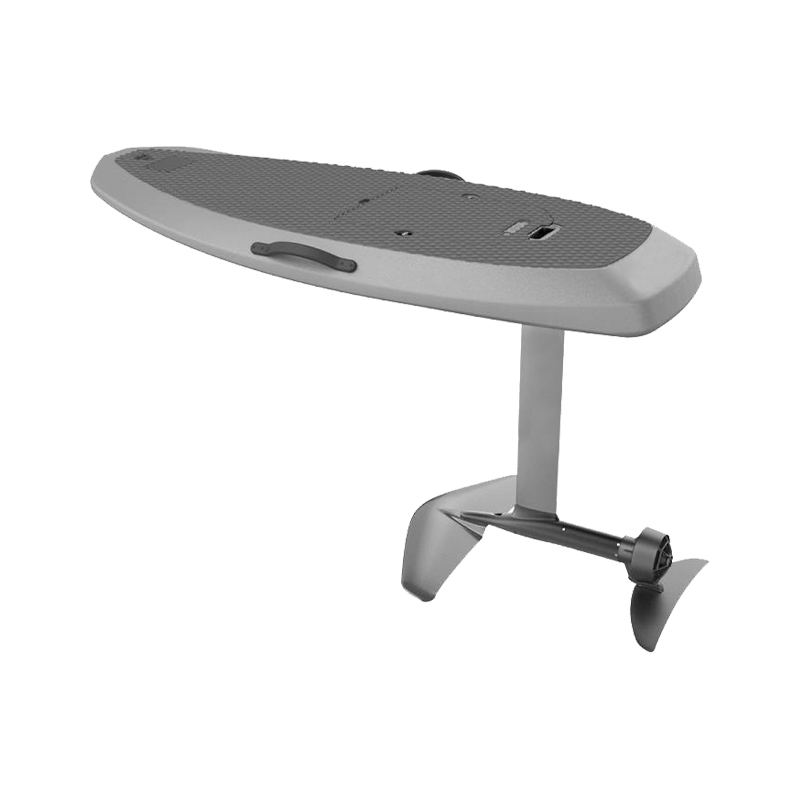
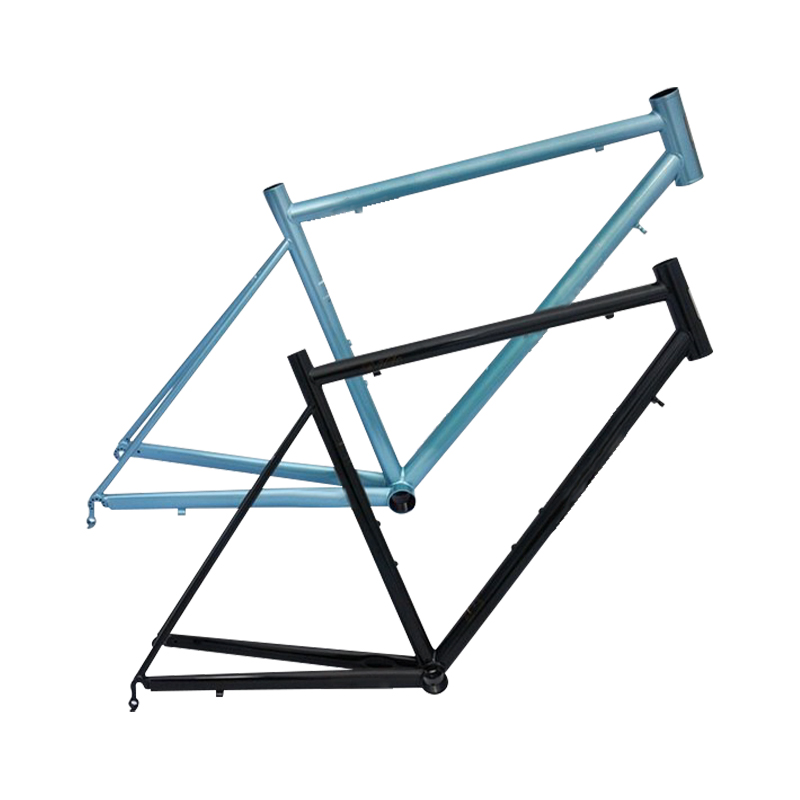
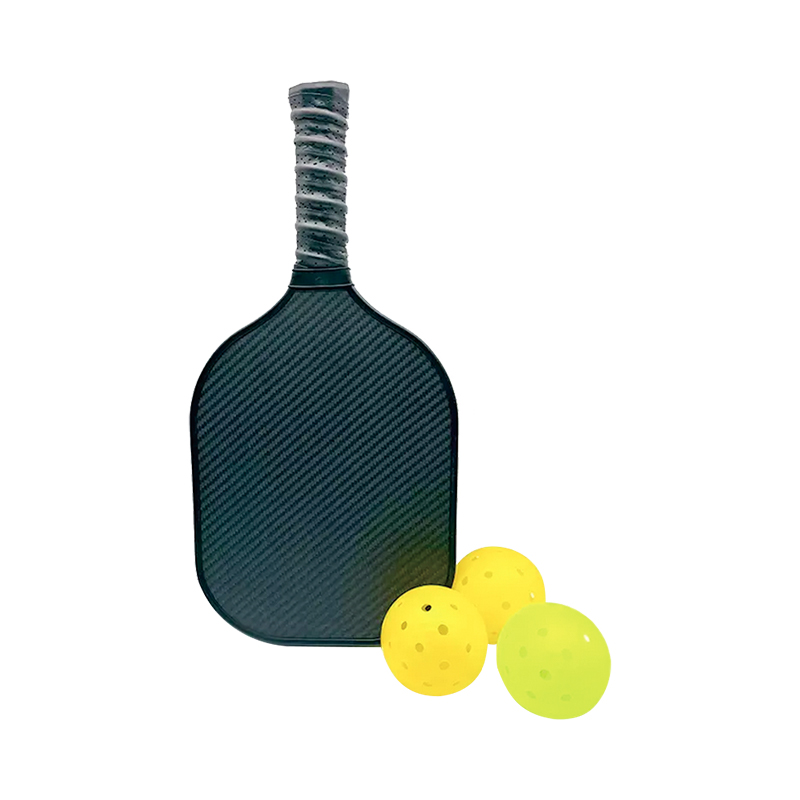
Sporting Goods High-end frames, hockey sticks, performance equipment
Pressure Vessels Filament wound and wrapped cylinders, storage tanks, containment structures

Technical Questions

High strength grade uses a premium PAN precursor and tightened carbonization to reach a minimum of 4200 MPa tensile strength. Standard modulus fabric generally falls between 3500 and 3800 MPa. The difference is roughly 15% to 20% additional tensile capacity at equivalent weight, which matters where ply count is fixed by thickness or geometry limits.

Structural epoxy systems with glass transition temperature of 180°C or higher are recommended to fully utilise the fiber's tensile capability. The resin should have strain to failure above 2% to avoid premature matrix cracking under load. Toughened epoxy grades are preferred where impact or dynamic loading is expected.

Yes. Vacuum bag processing achieves 55% to 58% fiber volume fraction and is suitable for many structural applications. Autoclave processing at 5 to 7 bar reaches 58% to 62% and reduces void content further, which is preferred for primary structures where consistent properties are required.

Vacuum bagging typically yields 55% to 58%. Autoclave or compression molding reaches 58% to 62%. The weave structure allows high compaction without significant tow distortion, which helps retain the fiber's mechanical advantage in the cured laminate.

Each roll is supplied with a Certificate of Conformance recording batch number, fiber tensile verification, measured areal weight, weave geometry, and sizing content. Full material data sheets are available for engineering review and structural qualification records.

Supply Inquiry Provide tow size, areal weight, weave pattern, roll width, and estimated consumption for quotation and lead time.
Batch Documented Structural Grade Volume Pricing
✦ Est. 2018 · Jiangyin
Dongli New Materials
⬡ High-performance Fiber Composites · ◈ Precision Engineering · ◉ Global Reach
32,000 ▣ Factory Area (㎡)
7 ◆ Years Experience
10 ◼ Production Lines
24 ◉ Technical Personnel
⬡ Aerospace ◈ Automotive ◉ Sports Equipment ✦ R&D Innovation ◆ Global Partner ◼ Sustainability

◉ Founded 2018

▣ Jiangyin Dongli New Materials Technology Co., Ltd. focuses on the comprehensive development and manufacturing of high-performance fiber composite materials. We are China High Strength Carbon Fiber Fabric Manufacturers and Wholesale High Strength Carbon Fiber Fabric Suppliers. Operating from a 32,000‑square‑meter industrial complex featuring precision‑controlled environments, including climate‑regulated workshops and 100,000‑grade purification zones.

◆ We integrate material innovation with engineering expertise to serve aerospace, automotive, and sports equipment sectors.

◈ One‑Stop Factory

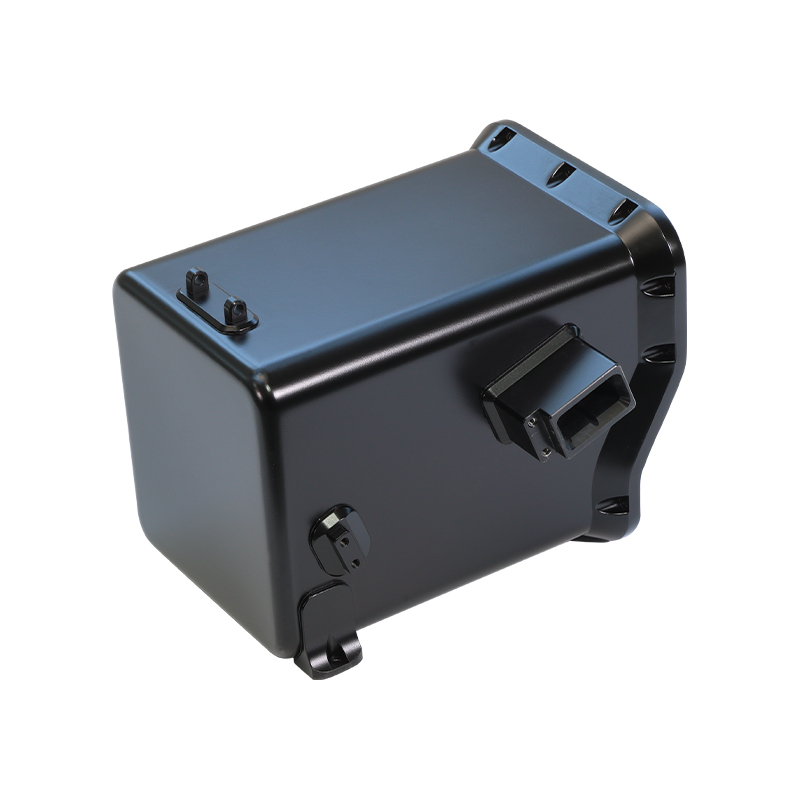
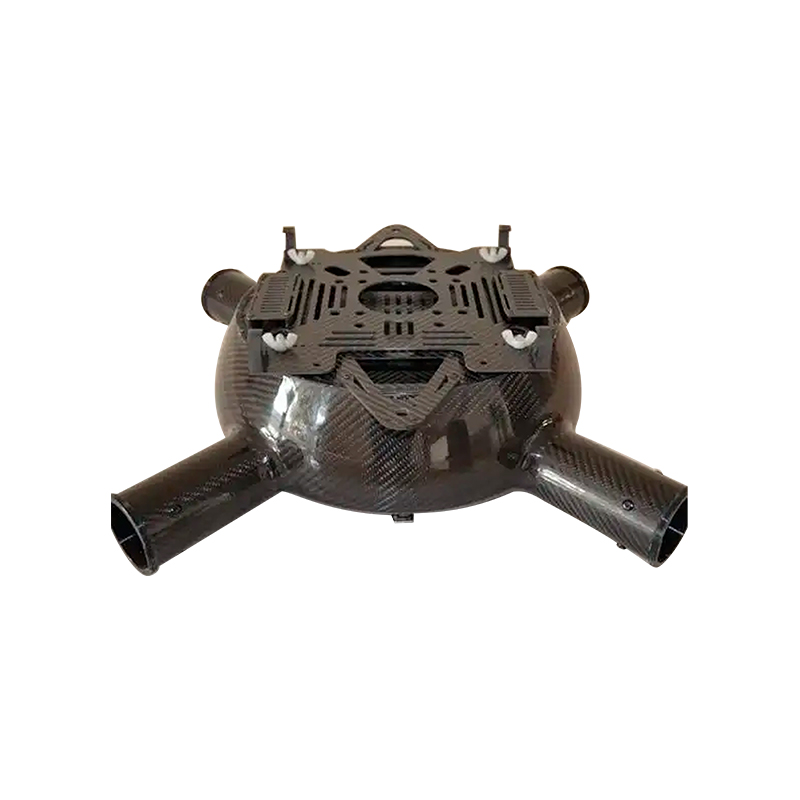
◉ With full process control, we integrate material innovation with engineering expertise. Our capabilities include R&D and production of high‑performance fiber fabrics through weaving and prepreg processes, as well as composite products utilizing autoclave, RTM, RMCP, PCM, WCM, and spraying technologies.

⬡ Aerospace ◈ Automotive ◉ Sports ✦ R&D

◈ Global Vision & Breakthrough Solutions

✦ Dongli New Materials aims to expand its global influence, enhance its research and development capabilities, and continue to provide breakthrough solutions for global partners.

◉ In the years to come, Dongli will continue to make significant contributions to the industry through relentless innovation and collaboration. We are committed to developing cutting‑edge technologies that not only enhance product performance but also promote social progress. With the continuous evolution of the industry, we always insist on creating solutions with far‑reaching impact and sustainability, ensuring that we become a trusted partner and helping enterprises fully realize their potential in the ever‑changing global environment.

◉ Autoclave ◈ RTM ⬡ RMCP ✦ PCM ◆ WCM ▣ Spraying ◼ Weaving ◉ Prepreg
Recommended LINKS