 Get In Touch
 English
 中文简体
 عربى
 Tiếng Việt

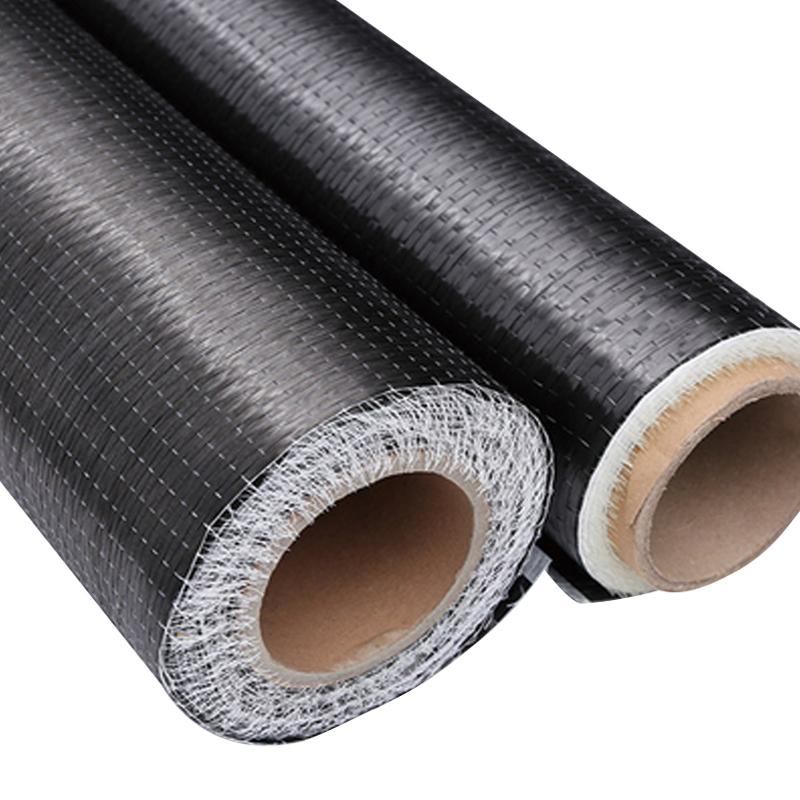
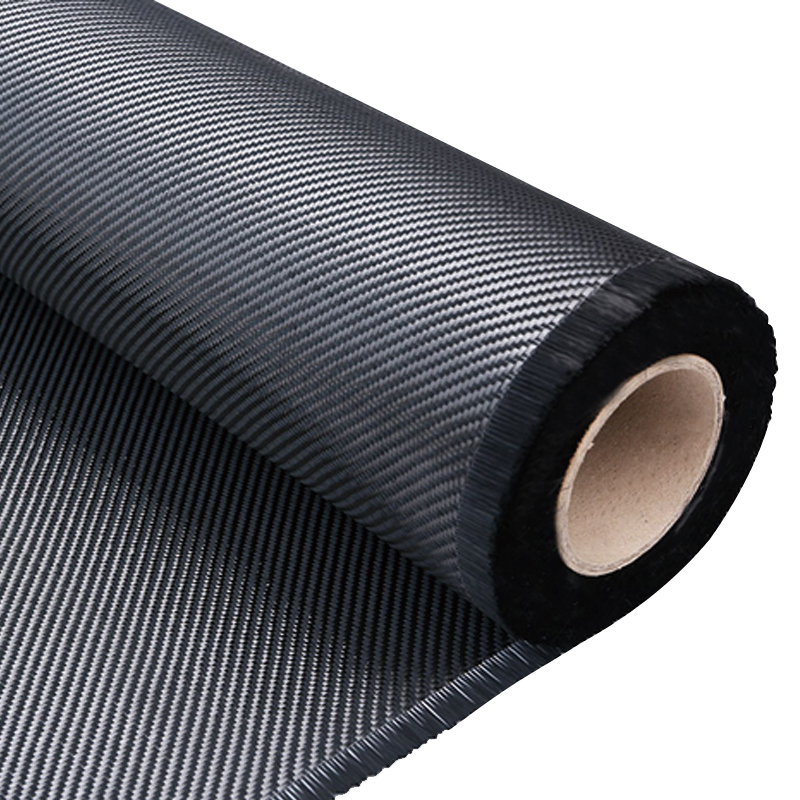
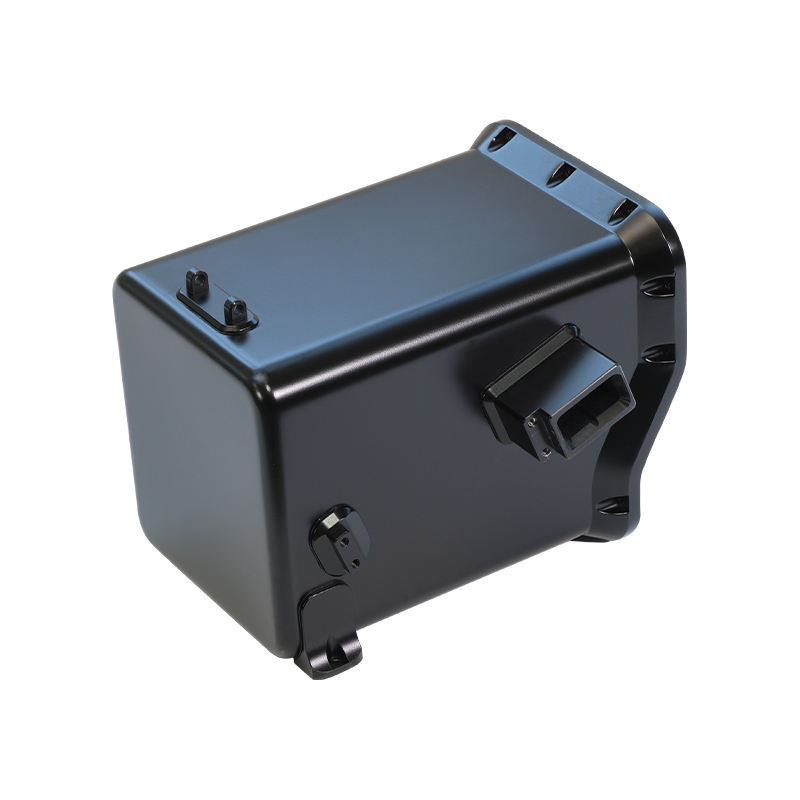
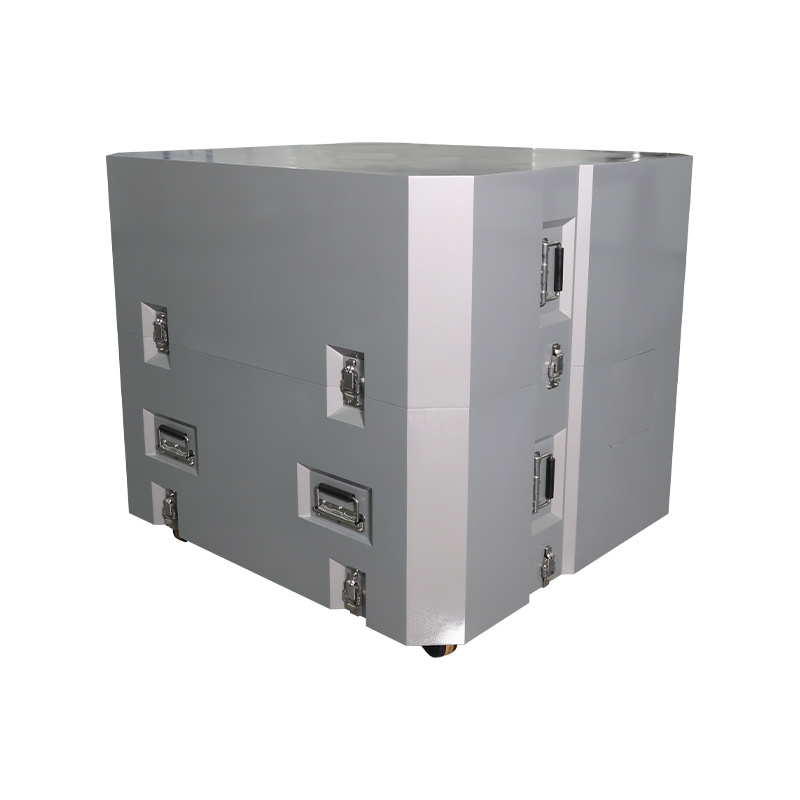
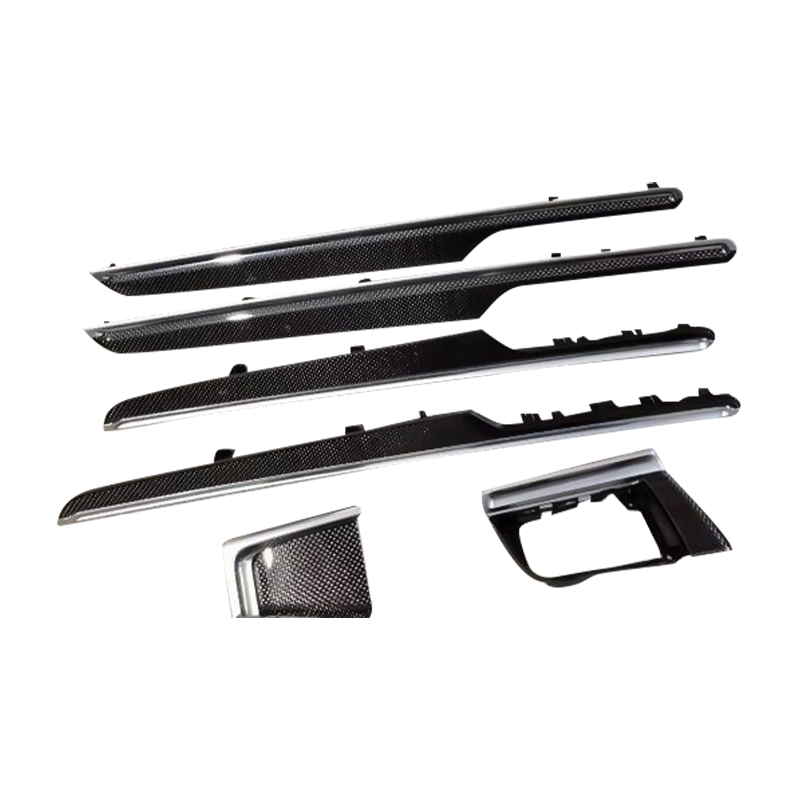
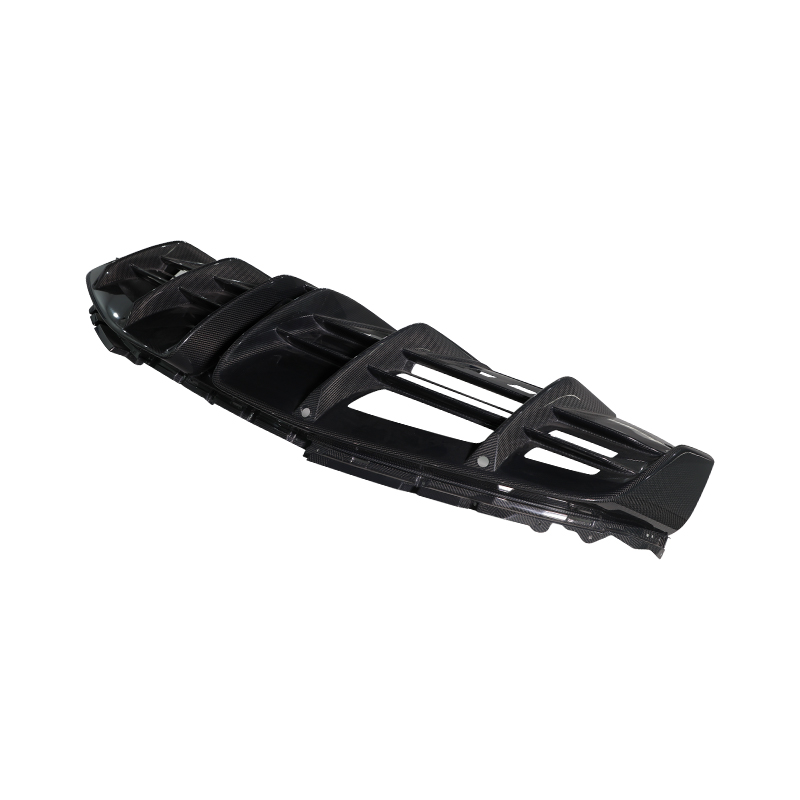
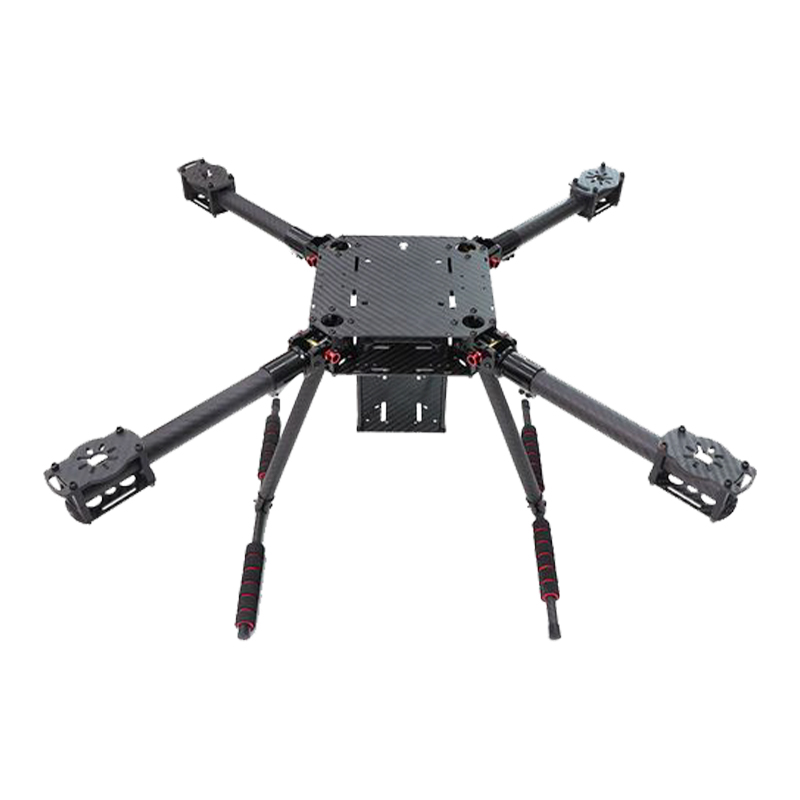
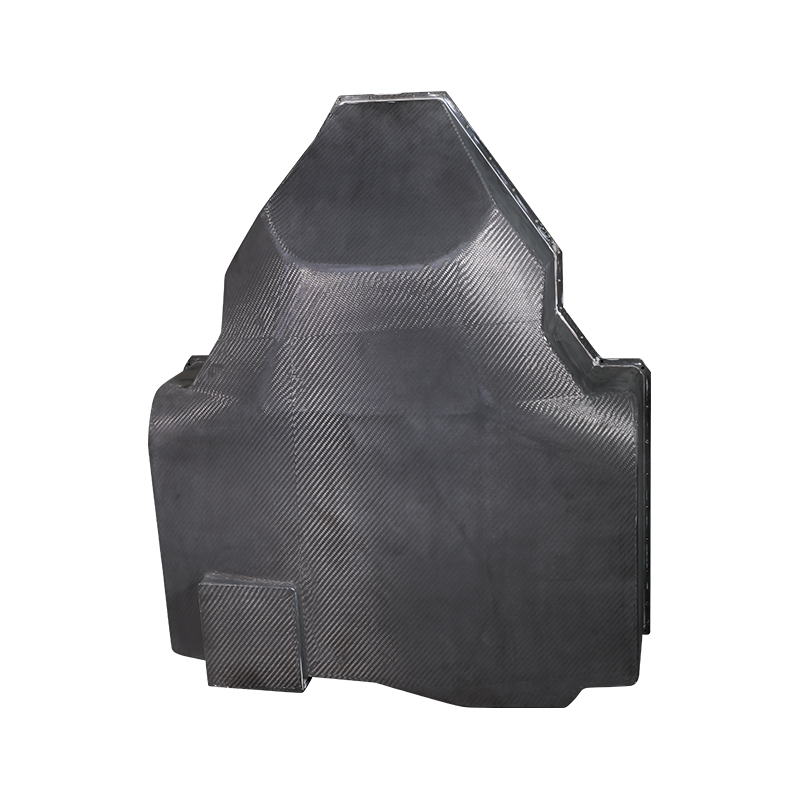
High Tensile Carbon Fiber Fabric
High Tensile Carbon Fiber Fabric is designed for composite applications where tensile performance, fiber continuity, and directional reinforcement are important material considerations. Its carbon fiber yarn construction provides a reinforcement medium that can be combined with a compatible resin matrix to produce lightweight composite structures.
For engineering and industrial buyers, fabric selection involves more than tensile strength alone. Fiber grade, modulus, weave architecture, areal weight, fiber orientation, and resin compatibility all influence the properties of the finished composite. These parameters should be evaluated against the mechanical requirements and processing conditions of the intended application.
What Determines the Tensile Performance of Carbon Fiber Fabric?
The tensile behavior of a carbon fiber composite depends on the interaction between the reinforcement yarns, fabric construction, resin matrix, and manufacturing process. The fabric provides the primary load-bearing fiber architecture, while the matrix transfers stress between fibers and helps maintain the composite structure.
Fiber Tensile Strength
Represents the fiber's resistance to tensile failure under specified test conditions. Buyers should compare documented fiber data rather than relying on a general high-strength description.
Tensile Modulus
Indicates resistance to elastic deformation under tensile loading. Modulus selection depends on the stiffness requirements of the intended composite component.
Fiber Volume and Alignment
Fiber distribution and orientation influence how effectively the reinforcement contributes to loads in the designed directions.
Matrix and Interface Quality
Resin impregnation and fiber-matrix bonding affect stress transfer, void formation, and the mechanical consistency of the finished composite.
Fabric Structures for Different Reinforcement Directions
High tensile performance must be considered together with the direction in which a composite component will carry loads. The fabric architecture determines how reinforcement yarns are arranged and how they can be incorporated into a laminate.
Match the Fabric to the Load Path
Unidirectional structures concentrate most reinforcement fibers along one principal direction. Woven and multiaxial structures distribute fibers across multiple directions, subject to their specific construction.
For applications involving combined loading, the laminate schedule may use different fabric orientations or multiple reinforcement layers. The final configuration should be established through composite design and validation.
Most fibers run in one primary direction, making this structure relevant to designs requiring concentrated reinforcement along a defined load path.
Warp and weft yarns cross in a regular pattern. The balanced textile construction can support handling and layup requirements in suitable composite processes.
The interlacing pattern creates a diagonal surface appearance and may provide different draping and handling characteristics compared with plain weave.
Reinforcement layers are arranged in selected directions to address more complex loading requirements, depending on the available fabric construction.
Carbon Fiber Grades and Fabric Parameters
High tensile carbon fiber fabrics can be produced from different fiber grades and converted into different textile configurations. The appropriate specification depends on the required mechanical properties, laminate design, and processing route.
Specific numerical values should be confirmed through the selected fabric's technical data sheet and relevant test reports. Fiber-level properties should not be treated as equivalent to the tensile properties of a finished laminate.
From Reinforcement Fabric to a Load-Bearing Composite
Carbon fiber fabric is generally used as reinforcement rather than as a finished structural component. Its mechanical contribution depends on how the textile is impregnated, consolidated, oriented, and cured within the composite manufacturing process.
Fabric Inspection
Check yarn condition, fabric width, roll consistency, weave construction, and material identification before processing.
Cutting and Layup
Prepare fabric sections according to the component dimensions, fiber orientation, and laminate stacking sequence.
Resin Impregnation
Introduce a compatible resin using the selected wet layup, infusion, or prepreg processing route.
Consolidation and Curing
Control consolidation, resin distribution, and curing conditions to meet the composite process specification.
Composite Testing
Evaluate the finished laminate using relevant mechanical and quality tests, rather than relying only on raw fiber data.
Where High Tensile Carbon Fiber Fabric Is Used
High tensile carbon fiber fabric is relevant to composite designs that require reinforcement with controlled fiber direction and a favorable strength-to-weight profile. Actual suitability depends on component geometry, service loads, environmental conditions, and the complete laminate specification.
Aircraft Composite Components
Selected structural and secondary components where material qualification, traceability, process control, and documented mechanical performance are essential.
Lightweight Vehicle Parts
Composite panels, structural reinforcements, and specialized components designed to reduce mass while meeting defined mechanical requirements.
Marine Composite Structures
Selected hull, deck, and structural components where fiber architecture and resin-system compatibility are considered in the laminate design.
Equipment and Engineering Parts
Lightweight machine components, structural panels, and engineered composite parts subject to specified tensile and stiffness requirements.
Performance Equipment
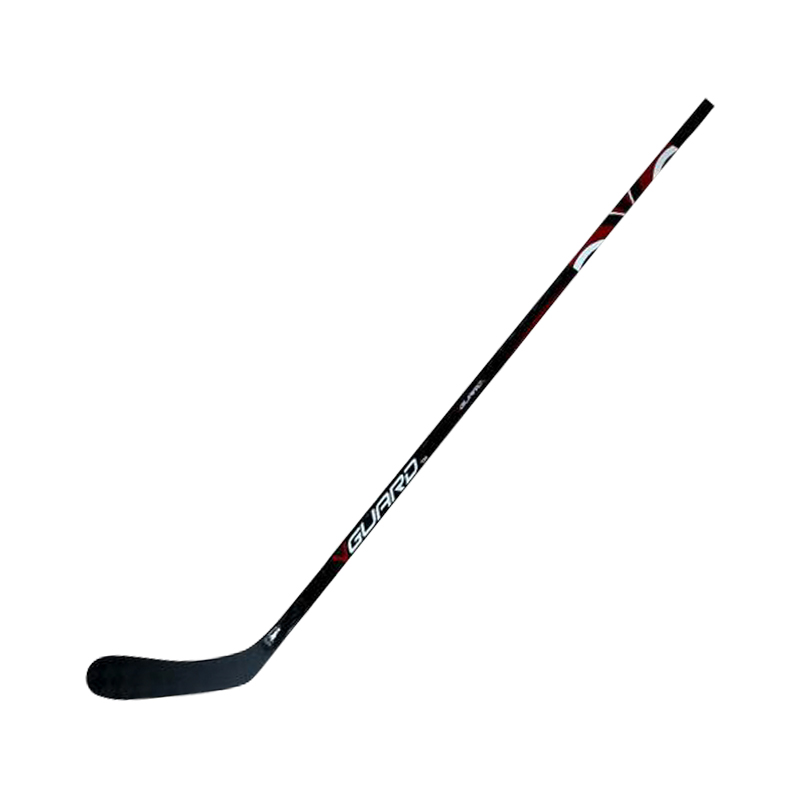
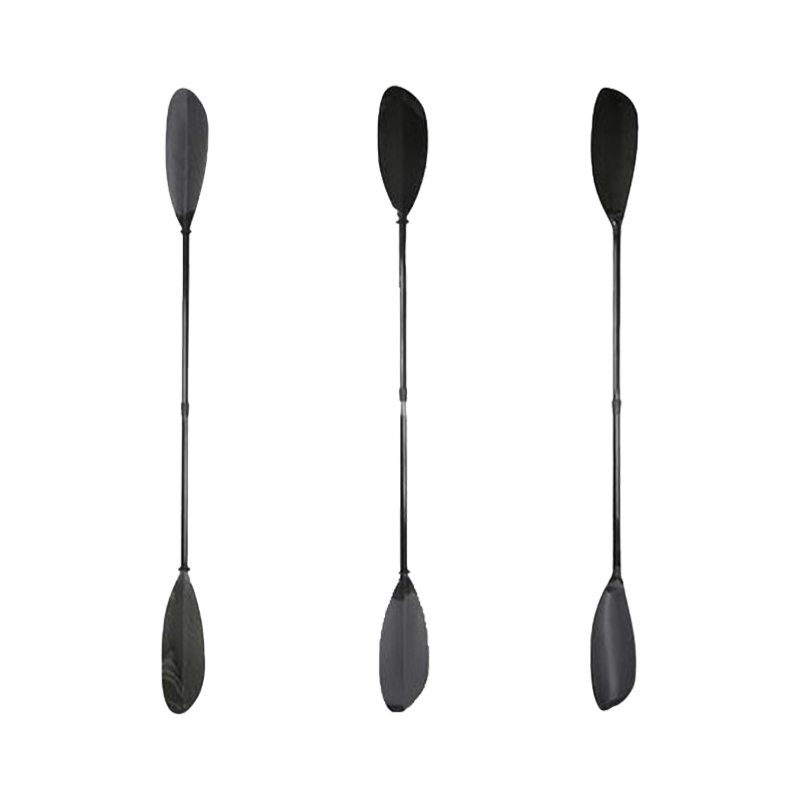
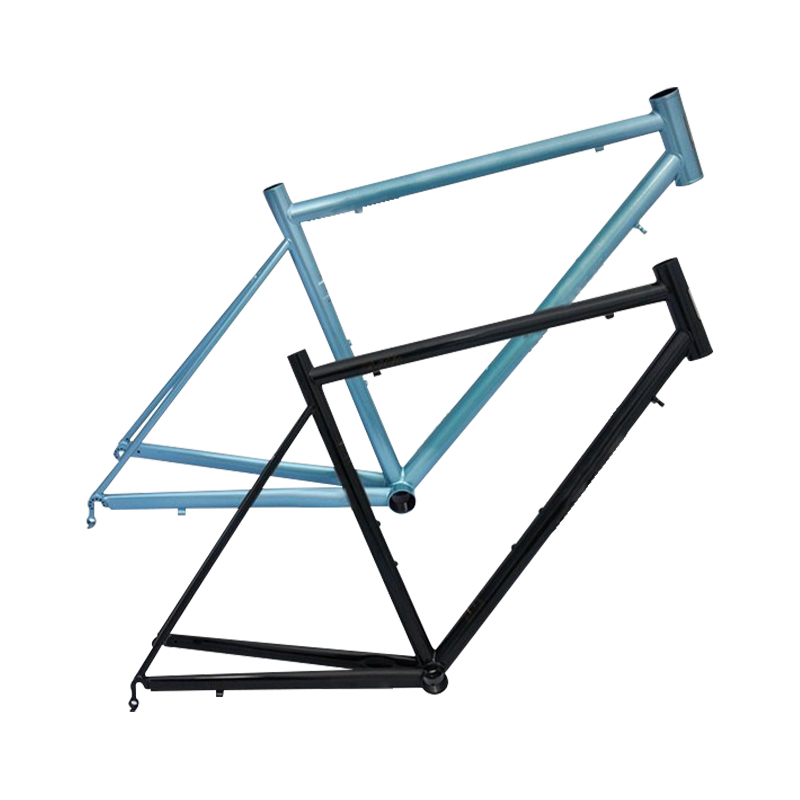
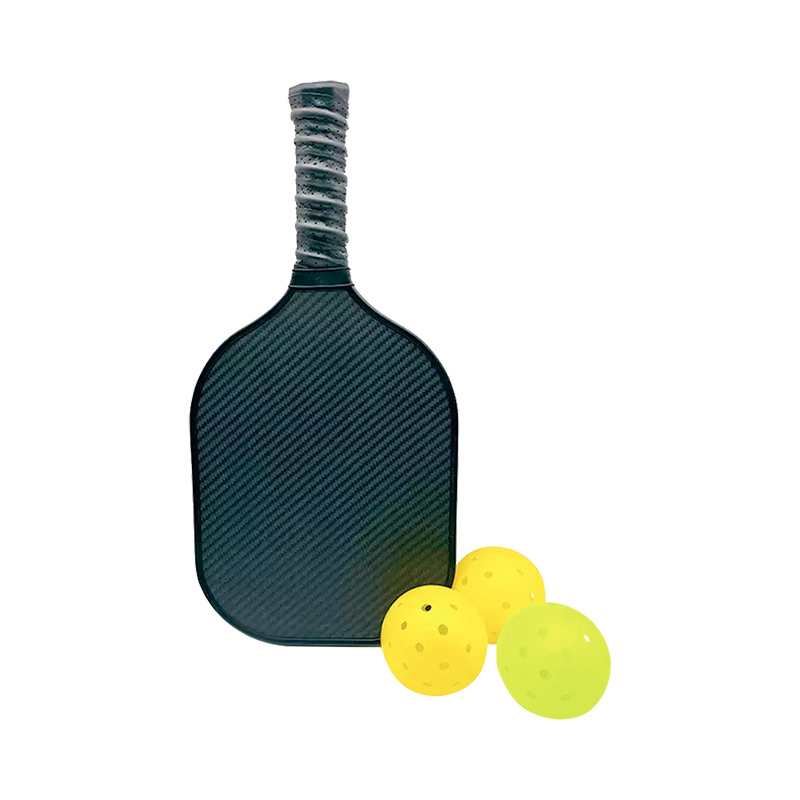
Selected sporting goods and equipment structures that use carbon fiber laminates to achieve defined weight, stiffness, and strength targets.
Energy and Infrastructure Components
Composite structures and reinforcement parts used in applications where directional mechanical properties are part of the engineering specification.
What to Verify When Comparing High Tensile Fabric Suppliers
For repeat production and industrial sourcing, technical consistency is as important as the nominal tensile rating. Buyers should establish measurable acceptance criteria before confirming a material specification.
Check whether tensile strength and modulus information relates to the raw fiber, yarn, fabric, or cured composite specimen.
Review weave regularity, yarn alignment, visible defects, width variation, and roll-to-roll consistency.
Confirm whether the fiber surface treatment and sizing are suitable for the intended resin system.
Evaluate fabric handling, drapability, impregnation behavior, and compatibility with the planned manufacturing method.
Define material identification, batch records, inspection procedures, and document retention requirements.
Use relevant composite test methods to verify the mechanical properties required by the final component design.
Specification Details for a Carbon Fiber Fabric Inquiry
Providing the following information helps suppliers assess the required fabric construction and determine whether the material can meet the intended composite process and performance targets.
Material Specification
- Carbon fiber grade and required mechanical data
- Fabric architecture and fiber orientation
- Target areal weight and fabric thickness, if specified
- Fabric width and roll length
- Dry fabric or resin-impregnated format
- Required surface treatment or sizing compatibility
Project and Delivery Requirements
- Composite component and application sector
- Manufacturing process and resin type
- Mechanical performance targets
- Estimated order quantity and purchasing frequency
- Packaging, storage, and transportation conditions
- Testing, certification, and traceability requirements
Frequently Asked Questions
Key considerations for selecting and processing high tensile carbon fiber fabric.
What makes carbon fiber fabric a high tensile reinforcement material?
Carbon fiber filaments have high tensile strength relative to their weight. When arranged into fabric and incorporated into a suitable resin matrix, they can reinforce composite structures along selected fiber directions. Actual composite performance depends on fiber grade, architecture, fiber volume, resin properties, and processing quality.
Does higher tensile strength always mean better composite performance?
No. Tensile strength is only one selection parameter. Tensile modulus, strain to failure, compression behavior, interlaminar properties, impact resistance, environmental durability, and processing compatibility may also be important for the component.
What is the difference between tensile strength and tensile modulus?
Tensile strength describes the maximum tensile stress a material can withstand under specified test conditions before failure. Tensile modulus describes its stiffness in the elastic range. A fabric made from higher-modulus fiber is not automatically higher in tensile strength.
Is unidirectional fabric stronger than woven carbon fiber fabric?
Neither construction is universally stronger. Unidirectional fabric concentrates fibers along a principal direction, while woven fabric distributes yarns across warp and weft directions. Their performance should be compared in relation to the required load direction and finished laminate design.
Can high tensile carbon fiber fabric be used with epoxy resin?
Many carbon fiber fabrics are used with epoxy resin systems, but compatibility should be confirmed for the specific fiber sizing, resin formulation, and processing conditions. Resin selection should follow the material supplier's technical recommendations and the composite manufacturing specification.
Can dry high tensile carbon fiber fabric be used for vacuum infusion?
Some dry carbon fiber fabrics are suitable for vacuum-assisted resin infusion. Suitability depends on fabric construction, permeability, sizing, resin viscosity, and the infusion process. Buyers should confirm these characteristics before selecting the fabric for production.
How should tensile properties be verified?
Request the relevant technical data and identify the specimen type and test method. Raw fiber, yarn, fabric, and cured laminate tensile results are different measurements and should not be compared as though they represent the same material condition.
What information is needed for a high tensile carbon fiber fabric quotation?
Provide the required fiber grade, tensile property targets, fabric architecture, areal weight, width, roll length, resin compatibility, processing method, order quantity, and documentation requirements. If the application has specific mechanical targets, include the relevant laminate or component specification.
 +86-13961668677

 No. 61, Xingyuan Road, Jiefang Village, Gushan Town, Jiangyin City, Jiangsu Province, China.
