 Get In Touch
 English
  中文简体
中文简体 عربى
عربى Tiếng Việt
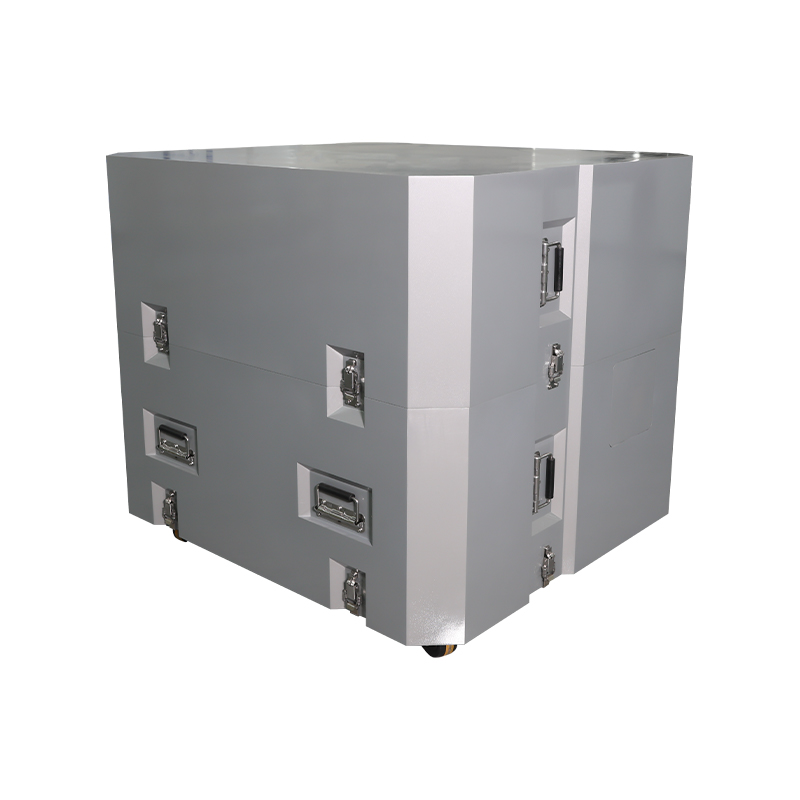
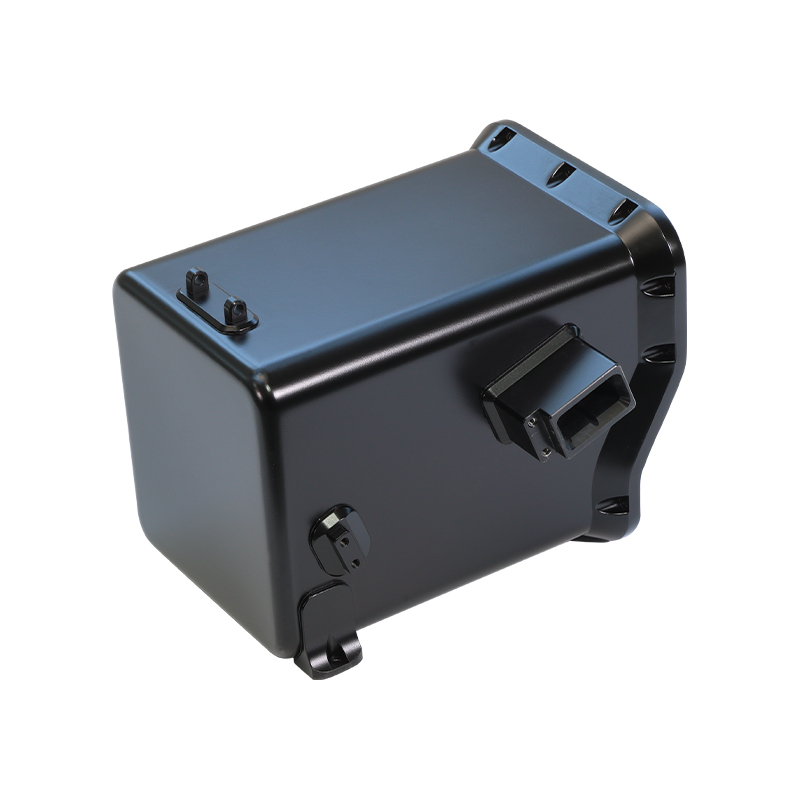
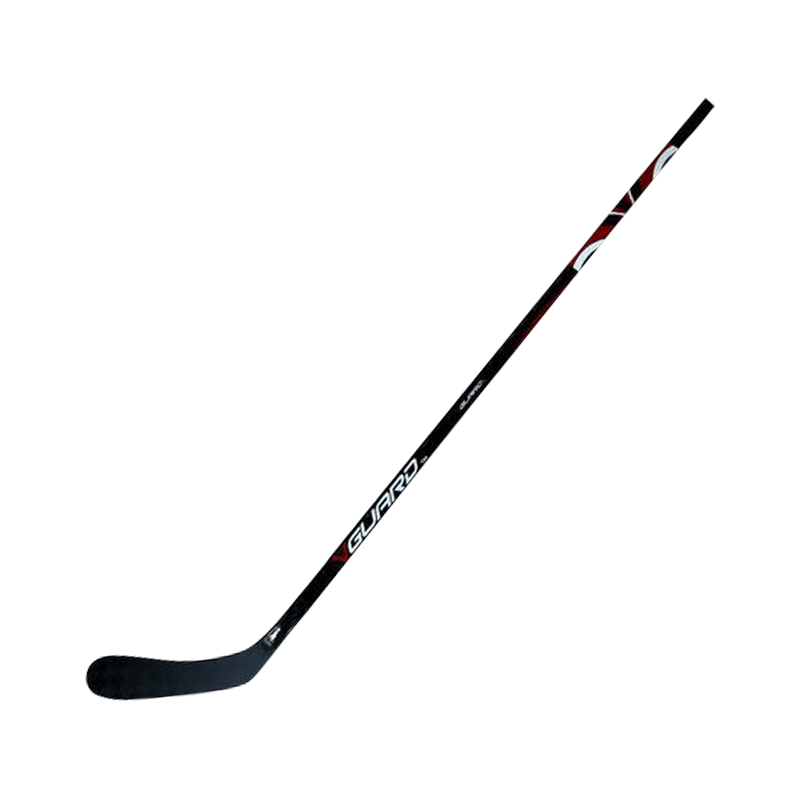
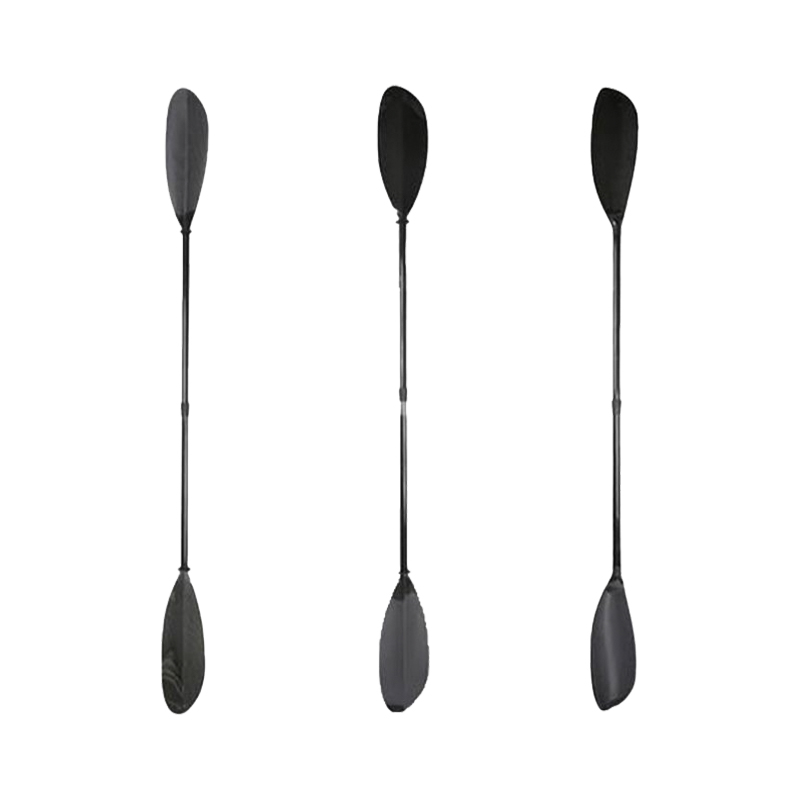
Lightweight Carbon Kevlar Fabric
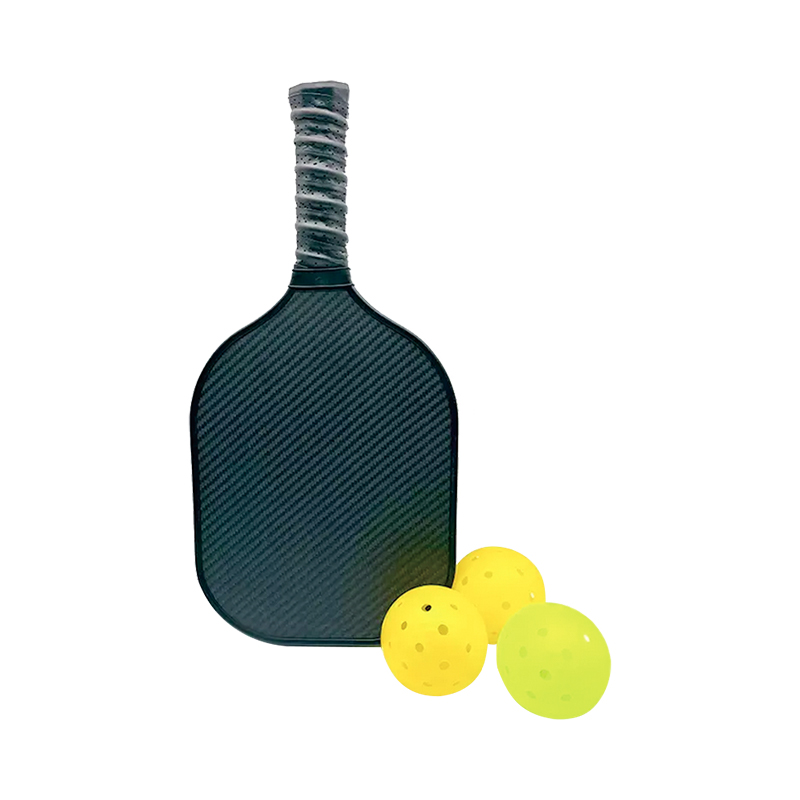
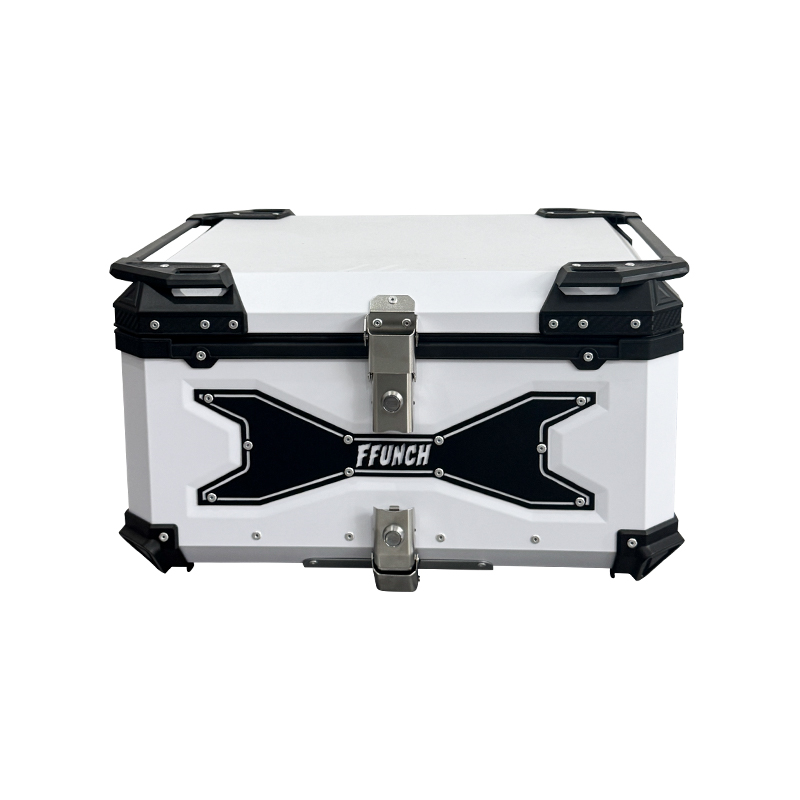
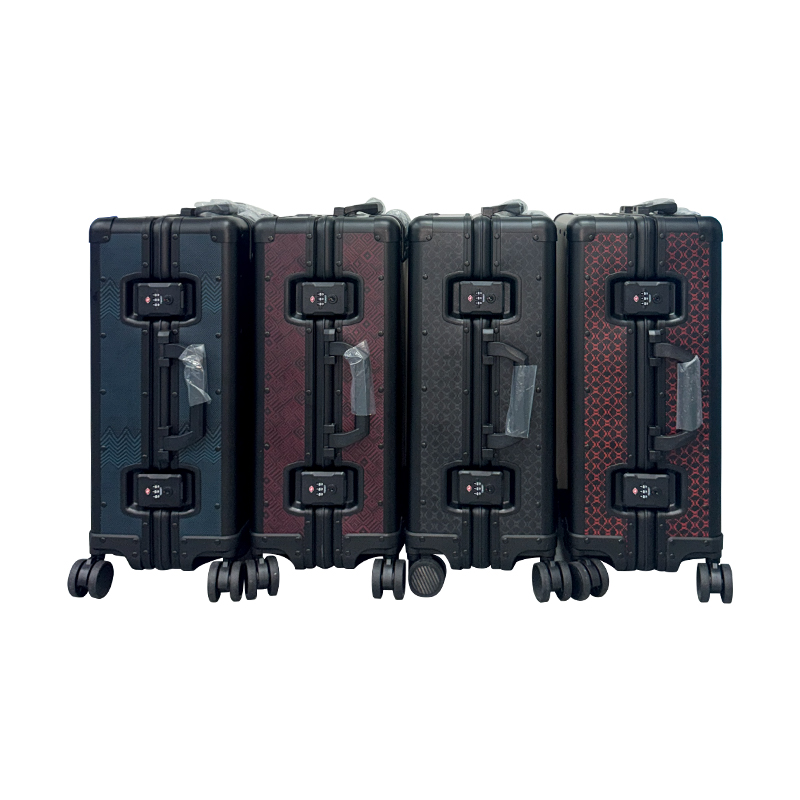
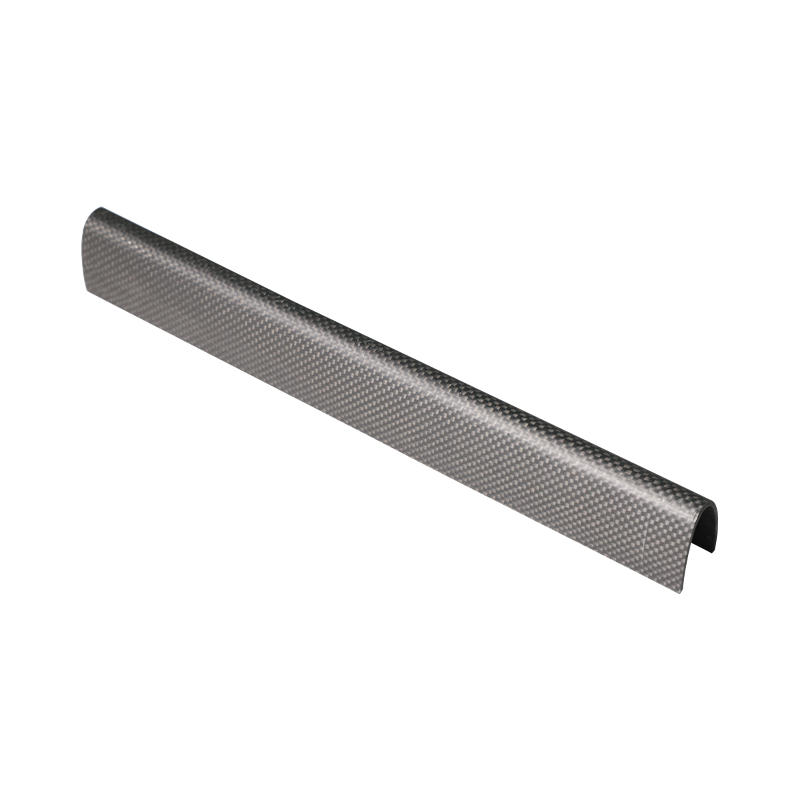
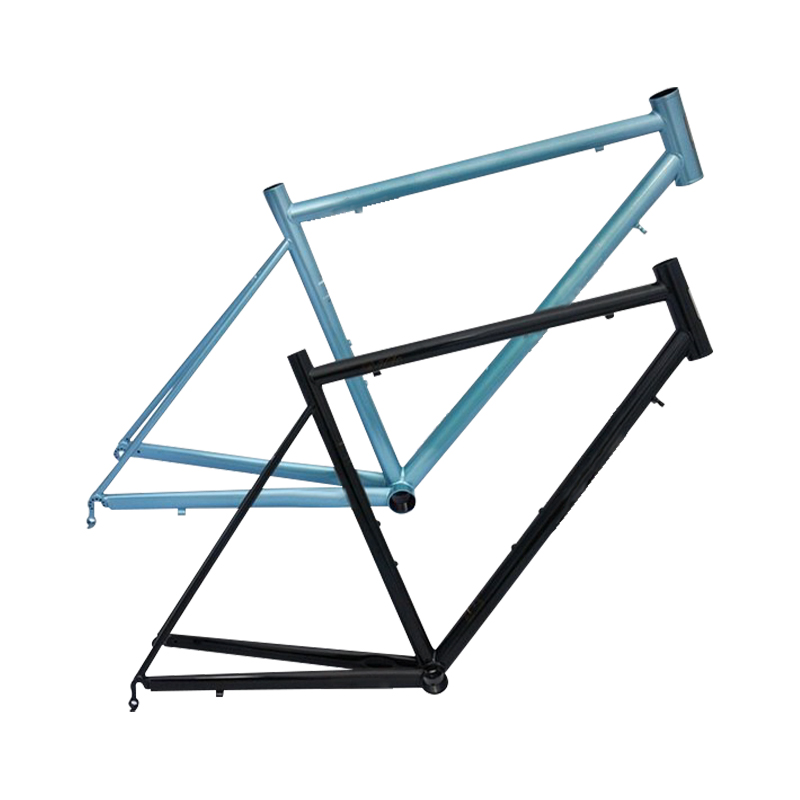
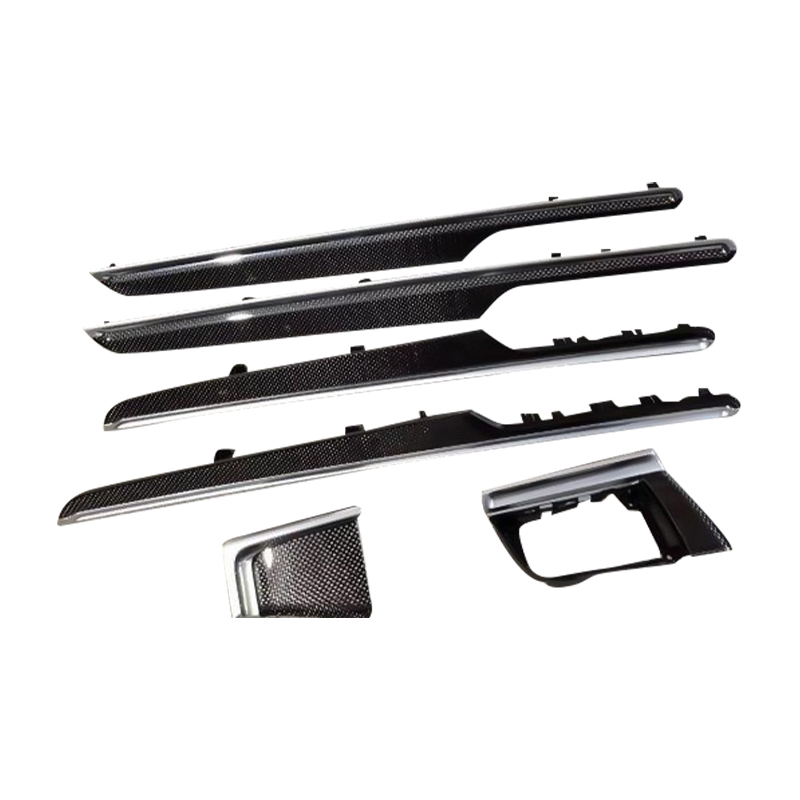
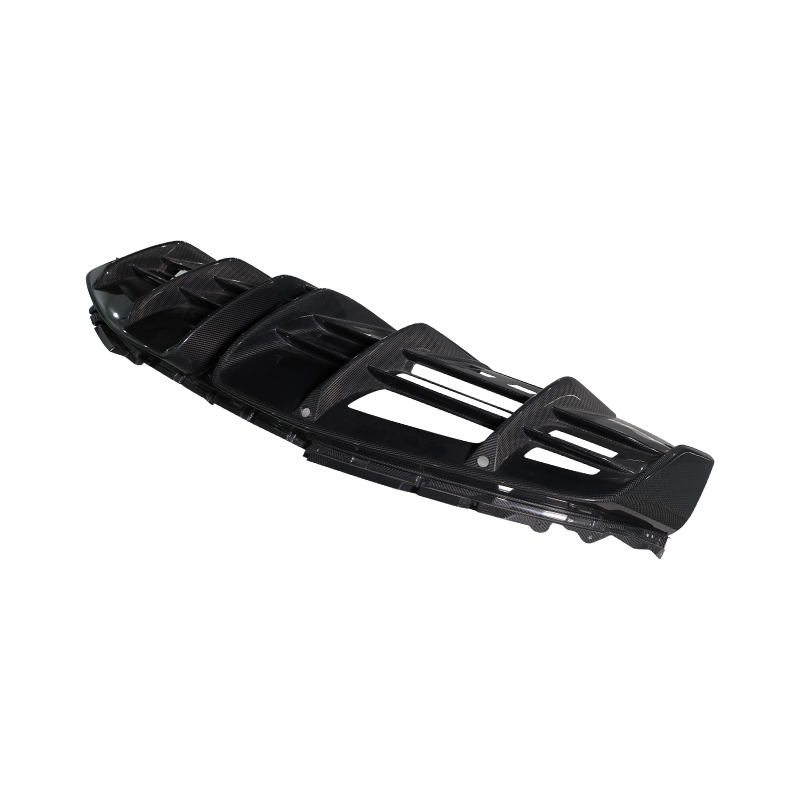
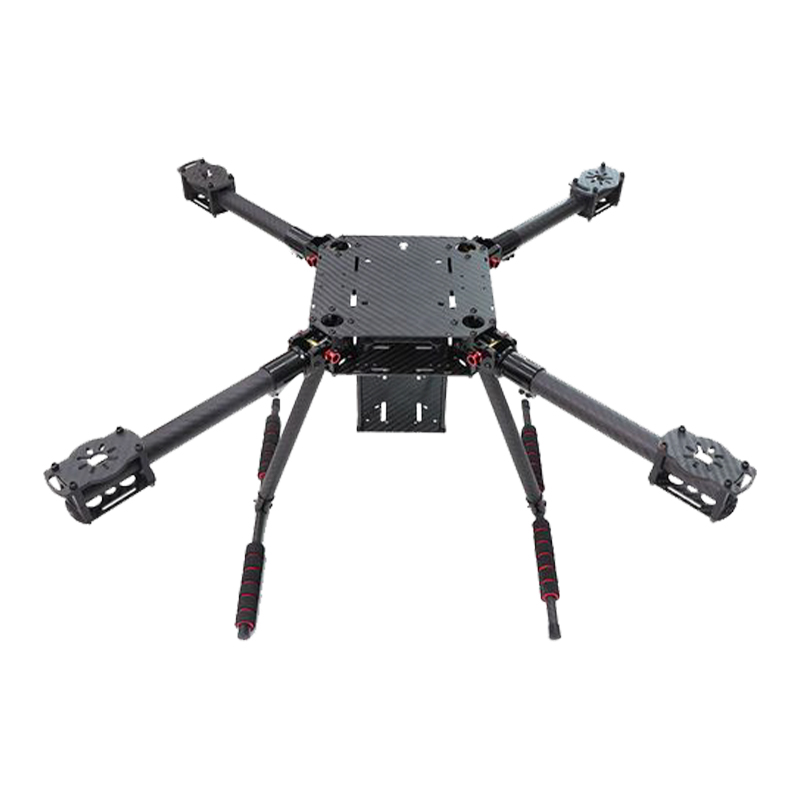
Lightweight Carbon Kevlar Fabric is a low-areal-weight hybrid reinforcement designed for applications where weight reduction is paramount. Combining 1k or 3k carbon fiber with 1000d Kevlar in a balanced twill or plain weave, this fabric delivers high tensile strength (carbon: 3500–4200 MPa, Kevlar: 2800–3100 MPa) at minimal mass. The low areal weight (160–200 g/m²) reduces material usage, enables thinner laminates, and improves handling efficiency. This fabric is ideal for aerospace interiors, UAV components, automotive lightweight structures, and sporting goods where every gram counts. Available in twill and plain weaves with standard roll widths of 1000 mm and 1270 mm.
Lightweight Benefits
Technical Specifications
Lightweight Advantages
- Reduces component weight by up to 30%
- Ideal for aerospace, UAV, and automotive applications
- Hybrid construction — combines stiffness with toughness
- Excellent drape for complex shapes (twill weave)
- Thin profile — enables aerodynamic and space-efficient designs
- Compatible with vacuum infusion and prepreg processes
Primary Applications
Frequently Asked Questions
Lightweight fabric (160–200 g/m²) reduces component weight by 20%–30% compared to standard 240 g/m² hybrid fabrics. It enables thinner laminates and better specific strength, but may require additional plies for equivalent stiffness in structural applications.
Lightweight fabric is more delicate than heavier weights. Careful handling is required to avoid stretching or distorting the weave. Use low-tack spray adhesive and avoid excessive tension during layup. The twill weave provides better stability than plain in lightweight configurations.
Yes. The open weave structure of lightweight fabric promotes rapid resin flow during vacuum infusion. Recommended resin viscosity: 80–250 cP. Use flow media for panels larger than 0.5 m². The hybrid nature may require slightly higher injection pressure.
With vacuum bagging: 50% – 55%. The lightweight construction allows excellent resin penetration and compaction. Higher Vf may be achieved with autoclave or compression molding (55% – 58%).
 +86-13961668677
 No. 61, Xingyuan Road, Jiefang Village, Gushan Town, Jiangyin City, Jiangsu Province, China.