 Get In Touch
 English
  中文简体
中文简体 عربى
عربى Tiếng Việt
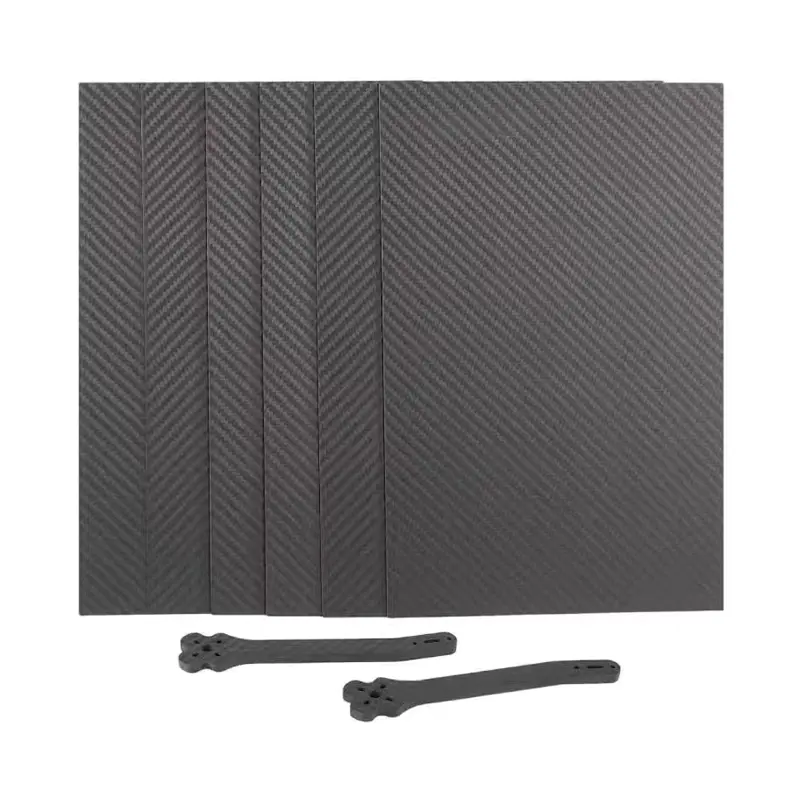
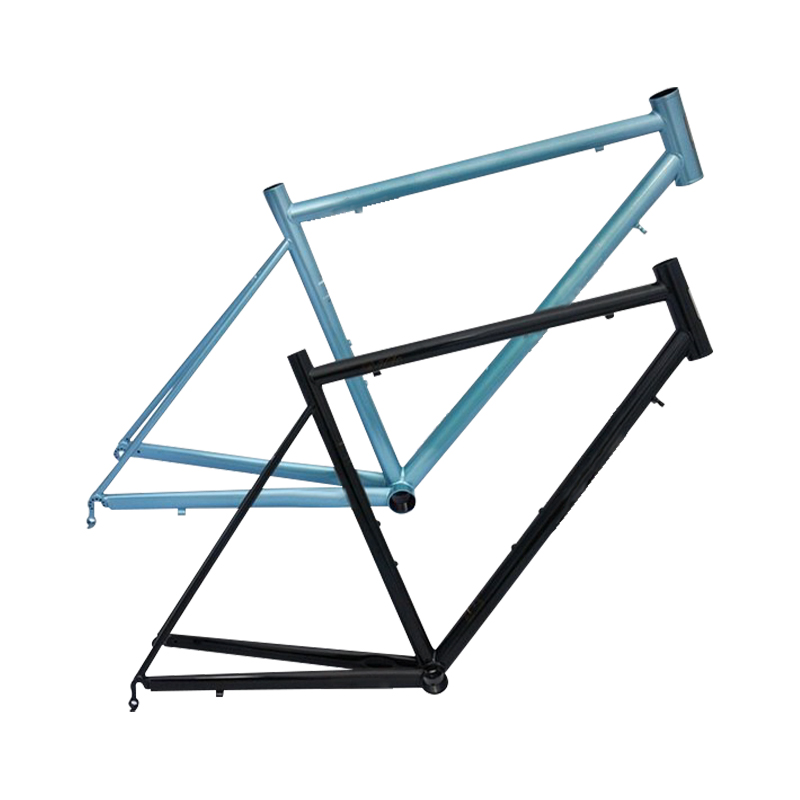
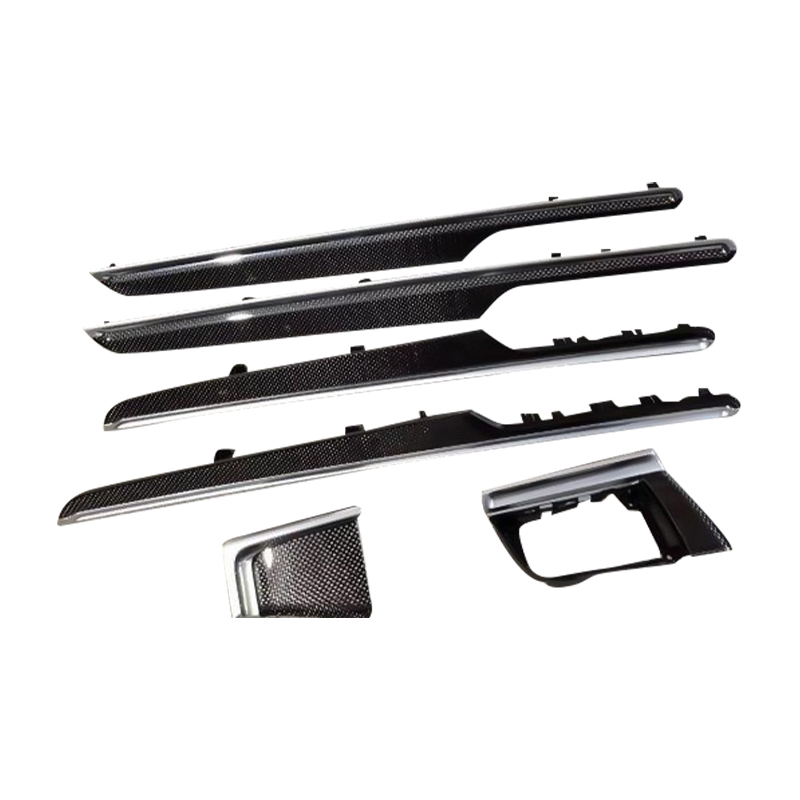
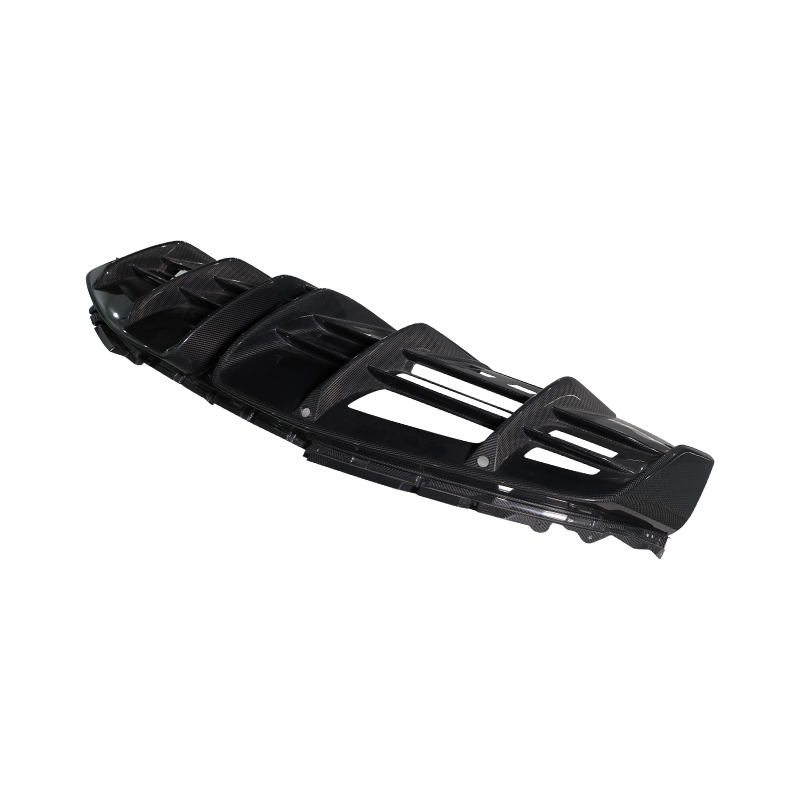
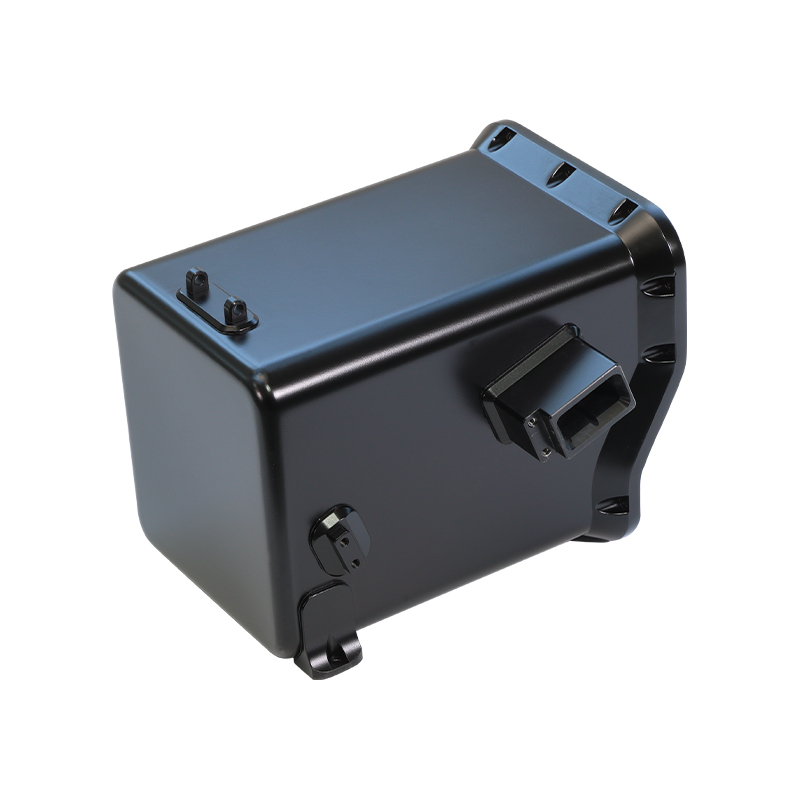
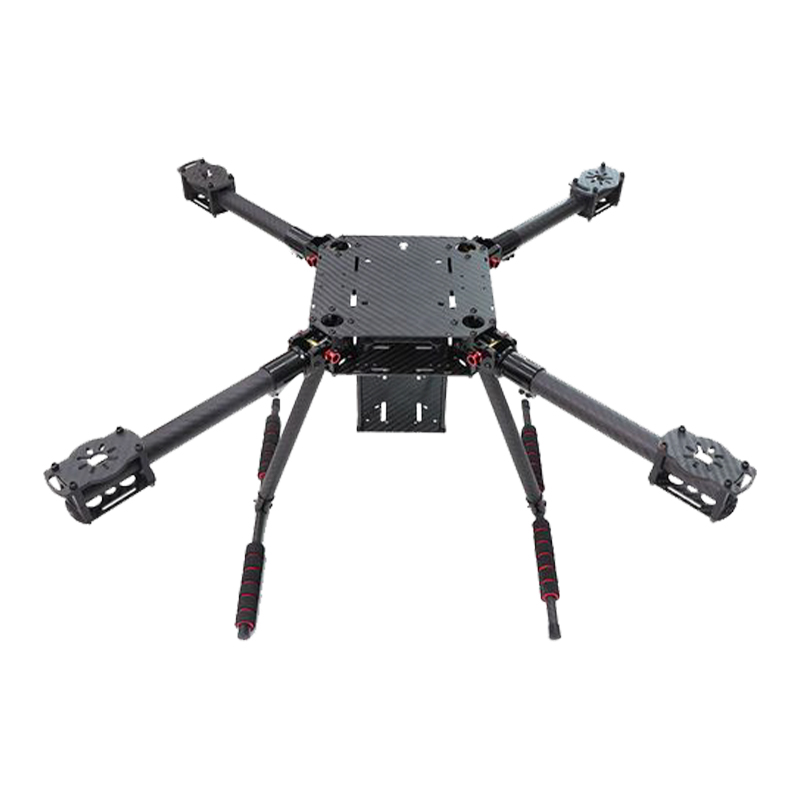
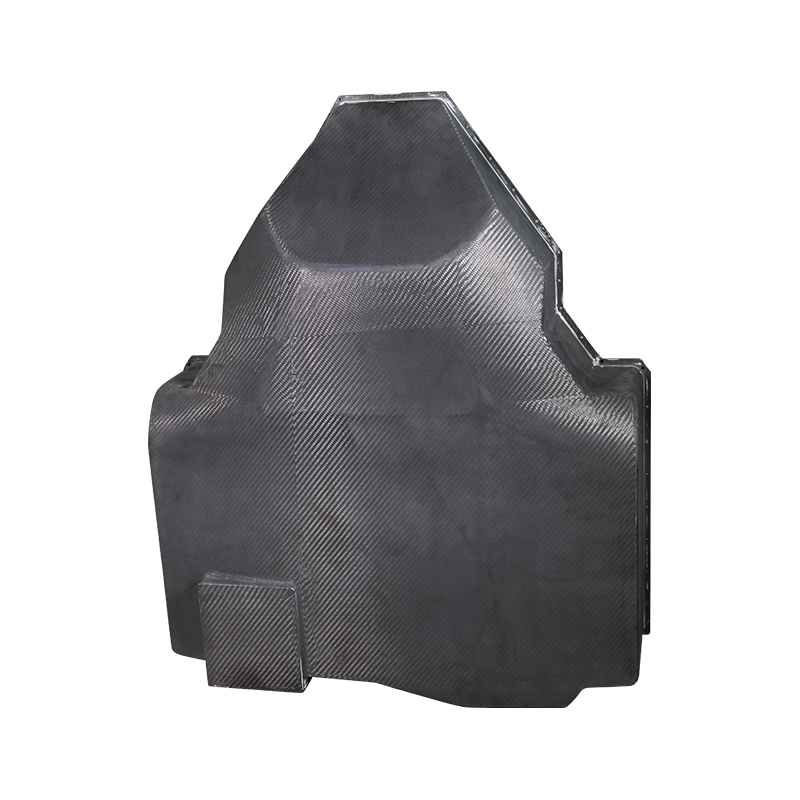
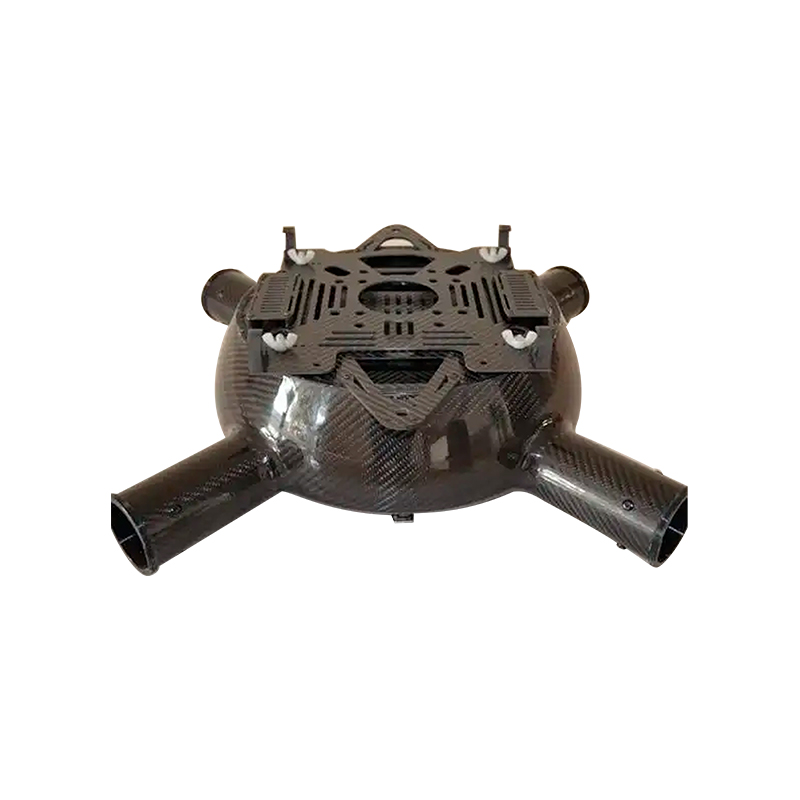
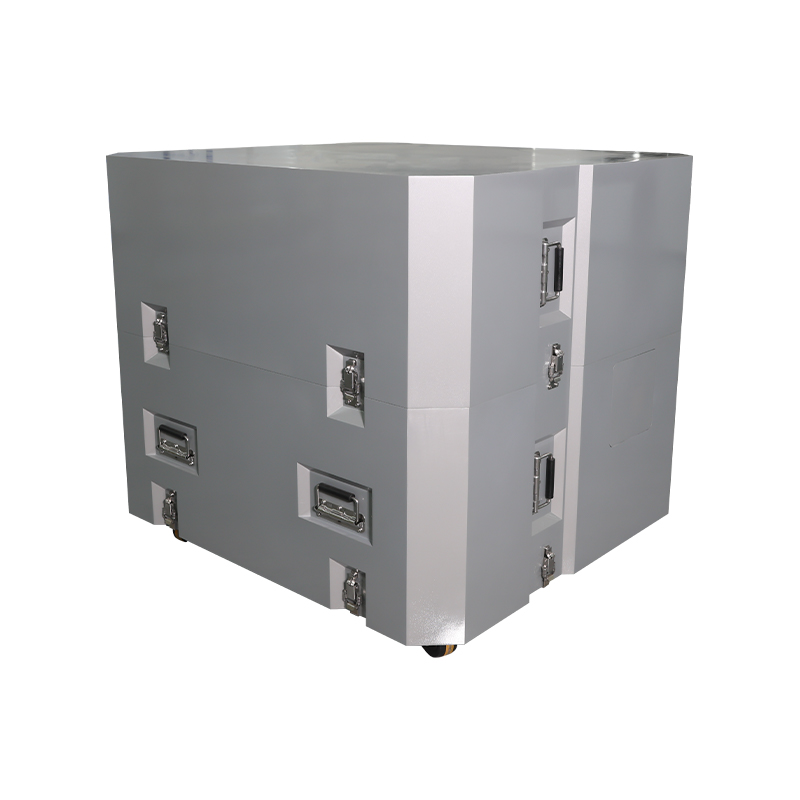
Lightweight Carbon Fiber Fabric is engineered for applications where weight reduction is the primary design driver. Manufactured using fine 1k and 3k tows with optimized weave geometry, this fabric achieves areal weights as low as 60 g/m² while maintaining a tensile strength of 3500–4200 MPa. The open weave structure promotes rapid resin penetration and excellent conformability to complex contours. Available in plain, twill, and leno weaves with areal weights from 60 to 200 g/m². This fabric is ideal for aerospace interiors, UAV structures, sporting goods, and any application demanding high specific stiffness with minimal mass.
Weight vs. Performance Comparison
Technical Specifications
Primary Applications
Lightweight Advantages
- Reduces component weight by up to 70% vs. standard 200 g/m² fabrics
- Increases specific stiffness for aerospace and UAV applications
- Enables thinner, more efficient structural designs
- Improves fuel efficiency and range in transportation applications
- Reduces material consumption and manufacturing cycle time
Frequently Asked Questions
Lightweight fabric reduces ply thickness and stiffness proportionally to the areal weight reduction. To achieve equivalent laminate stiffness, additional plies are required. However, for weight-critical applications, the improved specific stiffness (stiffness per unit weight) often outweighs the need for extra plies.
Lightweight fabrics are more delicate than heavier fabrics. They require careful handling to avoid stretching or distorting the weave. Use low-tack spray adhesive, and avoid excessive tension during layup. A leno weave or a light binder can improve handling stability.
Low-viscosity epoxy resins (80–250 cP) are recommended for complete wet-out without excessive resin content. The open weave of lightweight fabric allows rapid penetration. For prepreg applications, use low-resin-content (28%–32%) formulations to avoid excess weight.
Yes, when multiple plies are stacked to achieve the required thickness and stiffness. Lightweight fabric is often used in thin-skinned structures, sandwich panels, and automotive body panels. It is also used as surface ply for cosmetic finishes due to its fine weave.
With vacuum bagging, target 50% – 55% fiber volume. For autoclave or compression molding, 55% – 60% is achievable. The thin tows and open weave allow excellent compaction without fiber distortion.
 +86-13961668677
 No. 61, Xingyuan Road, Jiefang Village, Gushan Town, Jiangyin City, Jiangsu Province, China.