 Get In Touch
 English
  中文简体
中文简体 عربى
عربى Tiếng Việt
Content
- 1 01What Is Carbon Fiber Material and Why It Is Considered Advanced
- 2 02Key Advantages of Carbon Fiber Material Over Traditional Materials
- 3 03Why Lightweight Design Is Increasing Demand for Carbon Fiber Materials
- 4 04Industries That Commonly Use Carbon Fiber Materials
- 5 05How Carbon Fiber Material Improves Product Performance
- 6 06Types of Carbon Fiber Materials Used in Manufacturing
- 7 07How Carbon Fiber Material Is Manufactured
- 8 08How Carbon Fiber Material Compares With Aluminum and Steel
- 9 09What Factors Manufacturers Should Consider When Choosing Carbon Fiber Materials
- 10 10Future Trends of Carbon Fiber Material Development
- 11 Frequently Asked Questions
- 11.1 What is carbon fiber material used for?
- 11.2 Why is carbon fiber considered a high performance material?
- 11.3 Is carbon fiber stronger than metal materials?
- 11.4 What industries use carbon fiber composites?
- 11.5 What are the advantages of carbon fiber material?
- 11.6 Can carbon fiber materials be customized?
Advanced manufacturing industries are shifting toward carbon fiber material wherever weight reduction, structural stiffness, and long-term durability determine product performance. Built from thousands of thin carbon filaments bound in a resin matrix, this composite material delivers a strength-to-weight ratio that traditional metals cannot match at equivalent mass, which is why automotive, aerospace, industrial, and sports equipment manufacturers now specify it for components once made from aluminum or steel.
01What Is Carbon Fiber Material and Why It Is Considered Advanced
Carbon fiber material is a composite formed by embedding continuous carbon filaments within a resin matrix, most commonly epoxy. The carbon fiber structure itself consists of tightly bonded carbon atoms aligned along the fiber axis, giving individual filaments exceptional tensile strength relative to their diameter.
Carbon fiber reinforced polymer is a composite material engineering system in which carbon filaments provide strength and stiffness while the surrounding resin matrix transfers load between fibers and defines the final part shape.
This relationship between carbon fiber and resin matrix is what separates advanced composite materials from single-substance metals: the fiber orientation can be engineered per application, giving designers control over strength direction that solid aluminum or steel cannot offer.
02Key Advantages of Carbon Fiber Material Over Traditional Materials
Manufacturers moving from metal to carbon fiber composites typically cite five measurable performance gains.
-
1Lightweight design
Roughly 40 percent lighter than aluminum and up to 60 percent lighter than steel at comparable strength.
-
2High strength-to-weight ratio
Delivers tensile strength exceeding many steel grades while weighing a fraction as much.
-
3Excellent stiffness
High modulus fiber orientation resists flex and deformation under structural load.
-
4Corrosion resistance
Unaffected by moisture, salt exposure, or most industrial chemicals that degrade metal parts.
-
5Dimensional stability
Low thermal expansion keeps carbon fiber components accurate across temperature swings.
03Why Lightweight Design Is Increasing Demand for Carbon Fiber Materials
Lightweight manufacturing materials directly affect transportation efficiency, since every kilogram removed from a vehicle, aircraft, or rotating component reduces the energy required to move it. Weight reduction solutions built on carbon fiber composite applications now extend across structural optimization projects where energy efficient design is a stated engineering requirement, not an optional feature.
Advanced engineering materials such as carbon fiber can cut component weight by 30 to 50 percent compared to equivalent metal parts, directly reducing fuel or energy consumption in transportation applications.
04Industries That Commonly Use Carbon Fiber Materials
Automotive
Lightweight vehicle components and structural parts where weight savings improve efficiency and handling.
Aerospace
Aircraft composite structures requiring high strength at minimal weight for fuselage and wing components.
Industrial Equipment
Precision components and machinery parts where dimensional stability matters under repeated stress.
Sports Equipment
High performance equipment such as frames and shafts benefiting from stiffness-to-weight advantages.
Renewable Energy
Wind energy components including turbine blades that require long fatigue life under continuous load.
05How Carbon Fiber Material Improves Product Performance
Carbon fiber mechanical properties translate directly into manufacturing outcomes. High performance composite materials improve strength while reducing weight, and structural reinforcement materials built from carbon fiber extend service life under repeated load cycles.
Thermal stability materials in this category maintain mechanical properties across wide temperature ranges, and fatigue resistant composites outperform metal fatigue life in cyclic loading environments common to automotive and aerospace use.
06Types of Carbon Fiber Materials Used in Manufacturing
| Form | Structure | Common Use |
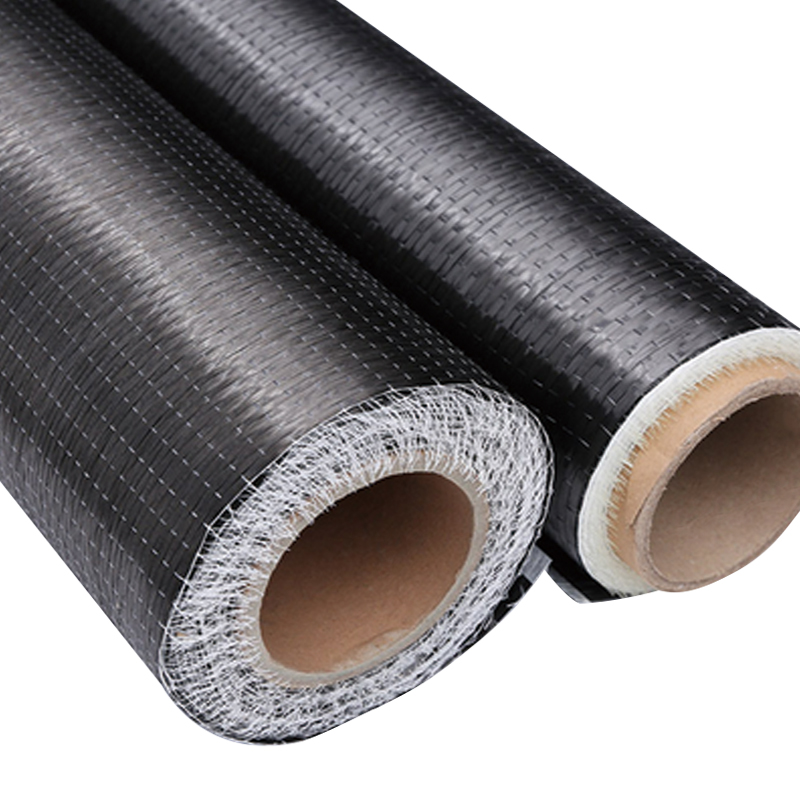
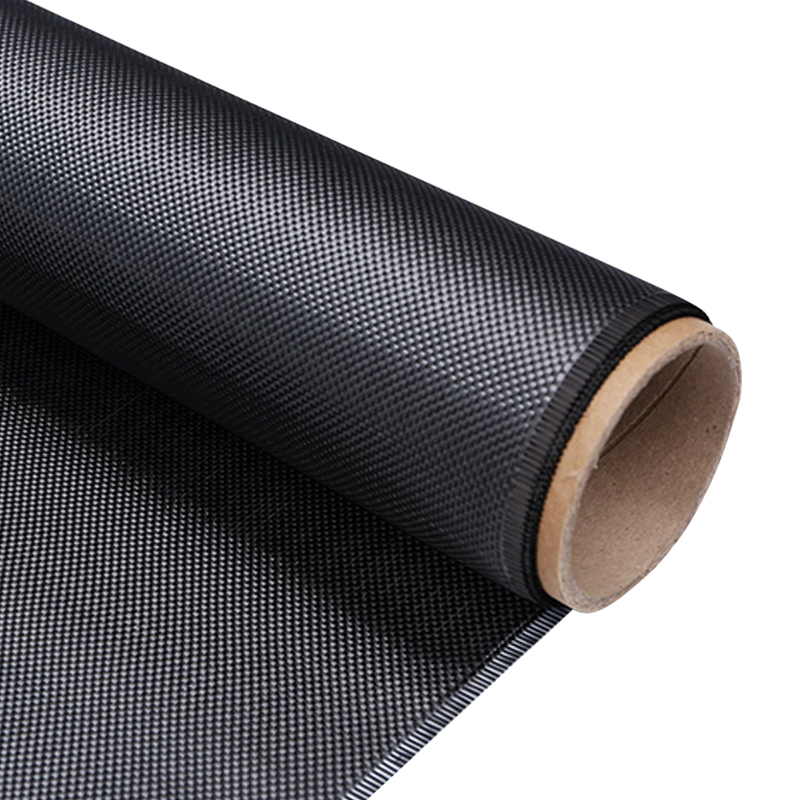
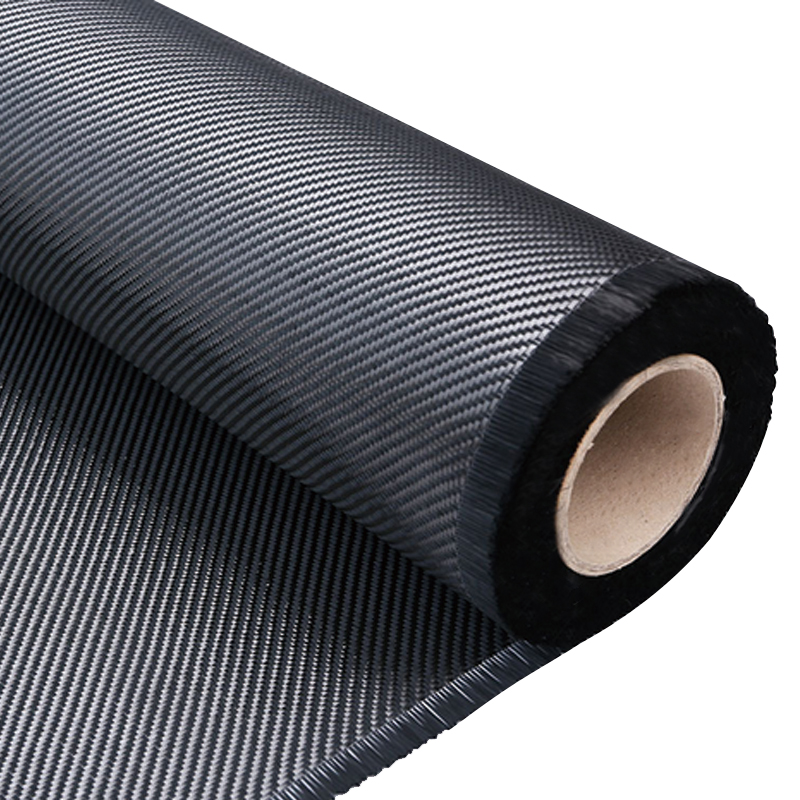
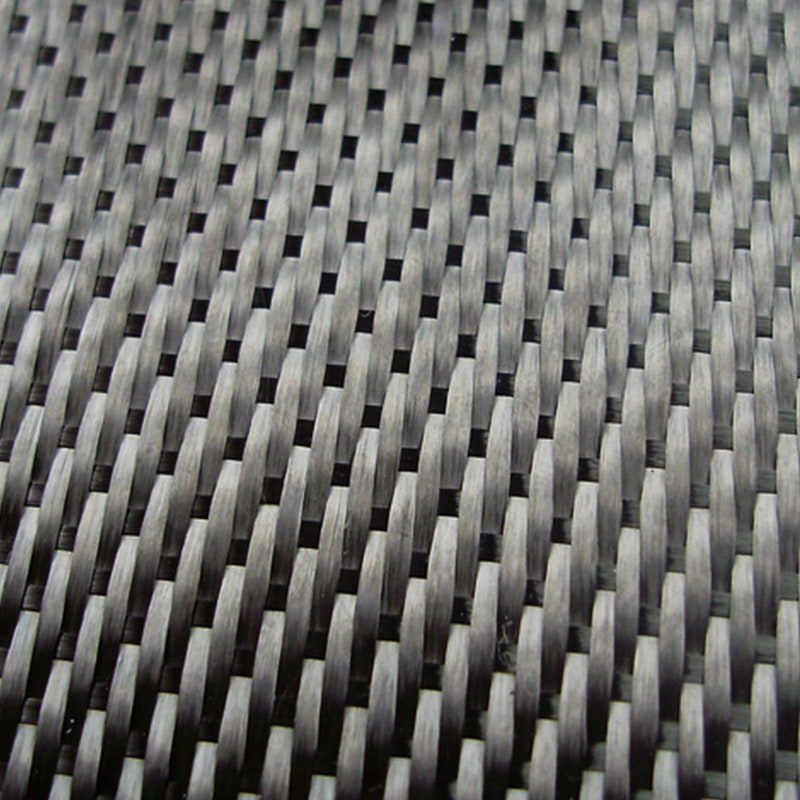
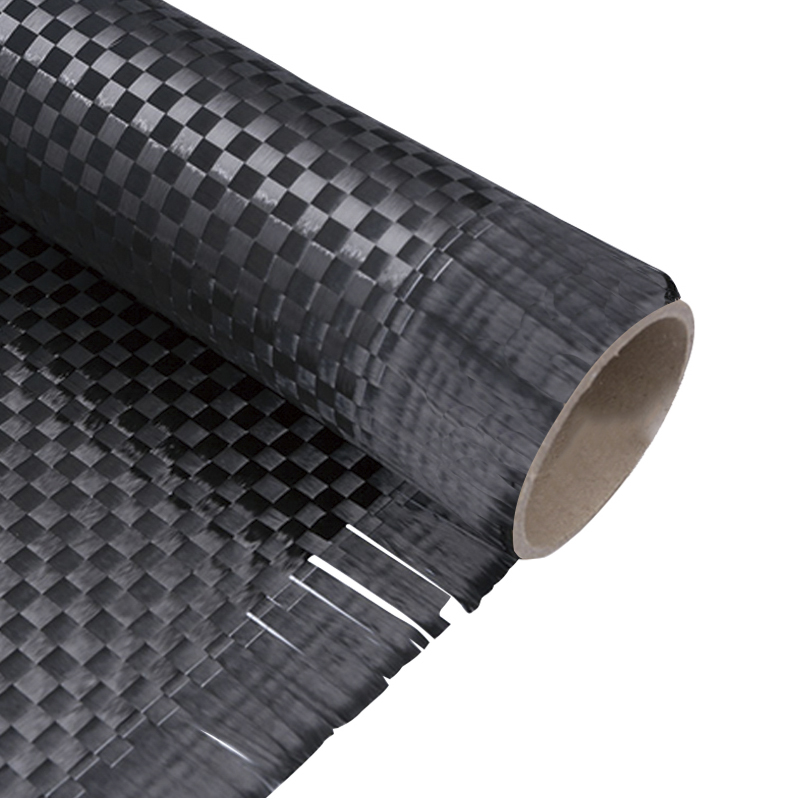
| Carbon Fiber Fabric | Woven carbon fiber material sheets | Composite reinforcement, surface structures |
| Carbon Fiber Sheet | Rigid flat panels | Structural components |
| Carbon Fiber Composite Parts | Molded, application-specific shapes | Customized industrial products |
| Carbon Fiber Prepreg | Resin pre-impregnated fabric | Precision aerospace and automotive layups |
07How Carbon Fiber Material Is Manufactured
- Raw material preparation
Precursor material, typically polyacrylonitrile, is prepared for the carbonization process.
- Carbon fiber production
Precursor fibers are heated in controlled stages to convert them into carbon filaments.
- Fiber treatment
Filaments undergo surface treatment to improve resin bonding in the composite molding process.
- Composite forming
Fiber is combined with resin through resin impregnation process and molded to the target part shape.
- Quality inspection
Finished carbon fiber processing output is tested for strength, void content, and dimensional accuracy.
08How Carbon Fiber Material Compares With Aluminum and Steel
Carbon Fiber
Lightweight
High stiffness
Corrosion resistant
Aluminum
Lightweight metal
Easier processing
Lower stiffness than carbon fiber
Steel
High strength
Cost advantage
Heavier, prone to corrosion
Carbon fiber vs aluminum decisions typically favor carbon fiber where stiffness-to-weight ratio drives performance, while carbon fiber vs steel comparisons favor steel where raw material cost outweighs weight savings. Lightweight material comparison across all three generally comes down to application requirements rather than a single universal answer.
09What Factors Manufacturers Should Consider When Choosing Carbon Fiber Materials
- Application environment, including temperature and chemical exposure
- Required strength and stiffness for the load case
- Material form: fabric, sheet, prepreg, or molded parts
- Compatibility with the intended production method
- Customization needs for fiber orientation or resin system
- Quality consistency from the carbon fiber supplier across production batches
10Future Trends of Carbon Fiber Material Development
Recycled carbon fiber and lower production costs are widening industrial adoption of composite materials once limited to aerospace budgets, pushing sustainable carbon fiber materials into mainstream manufacturing.
Advanced composite technology is improving manufacturing efficiency, and next generation materials research is focused on reducing the cost gap between carbon fiber material and traditional metals, which will continue to expand where composite parts make economic sense.
 |
 |
Frequently Asked Questions
What is carbon fiber material used for?
It is used to produce lightweight, high-strength structural components across automotive, aerospace, industrial equipment, sports, and renewable energy applications.
Why is carbon fiber considered a high performance material?
Its strength-to-weight ratio, stiffness, and corrosion resistance exceed those of common metals, allowing lighter parts without sacrificing structural performance.
Is carbon fiber stronger than metal materials?
Carbon fiber offers higher strength-to-weight ratio than steel and aluminum, though raw tensile strength depends on the specific fiber grade and part design.
What industries use carbon fiber composites?
Automotive, aerospace, industrial equipment, sports equipment, and renewable energy industries all use carbon fiber composites for structural and performance components.
What are the advantages of carbon fiber material?
Key advantages include lightweight design, high strength-to-weight ratio, stiffness, corrosion resistance, and dimensional stability across temperature changes.
Can carbon fiber materials be customized?
Yes. Fiber orientation, resin system, material form, and part geometry can all be adjusted to meet specific application and production requirements.
 +86-13961668677
 No. 61, Xingyuan Road, Jiefang Village, Gushan Town, Jiangyin City, Jiangsu Province, China.