 Get In Touch
 English
  中文简体
中文简体 عربى
عربى Tiếng Việt
Content
- 1 01What Makes Carbon Fiber Material Suitable for Industrial Use
- 2 02Automotive Applications of Carbon Fiber Material
- 3 03Industrial and Infrastructure Applications
- 4 04How Carbon Fiber Material Is Processed
- 5 05Carbon Fiber Material vs Traditional Engineering Materials
- 6 06Selecting the Right Carbon Fiber Grade
- 7 Frequently Asked Questions
Automakers cutting curb weight and industrial engineers chasing stiffness-to-weight gains keep landing on the same answer: carbon fiber material. It now shows up in EV battery enclosures, aerospace panels, wind turbine blades, and structural reinforcement for aging concrete, replacing aluminum and steel wherever weight savings translate directly into performance or fuel efficiency.
01What Makes Carbon Fiber Material Suitable for Industrial Use
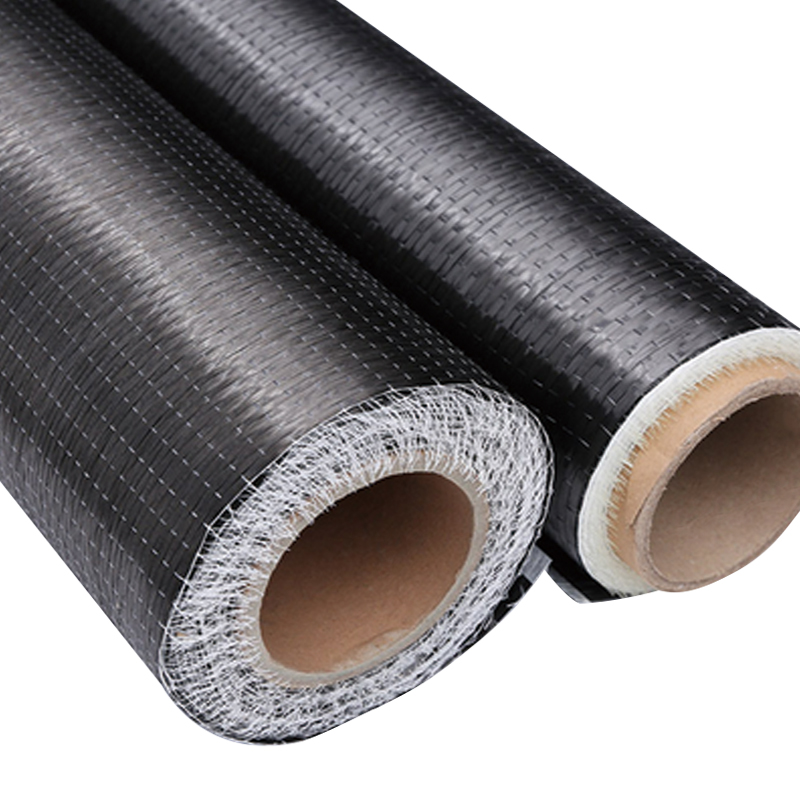
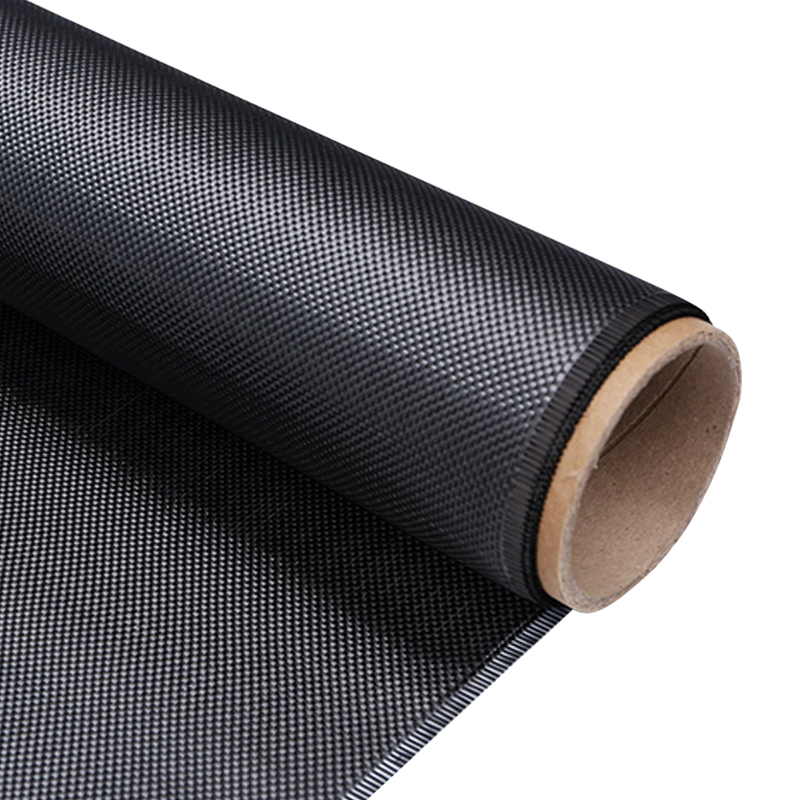
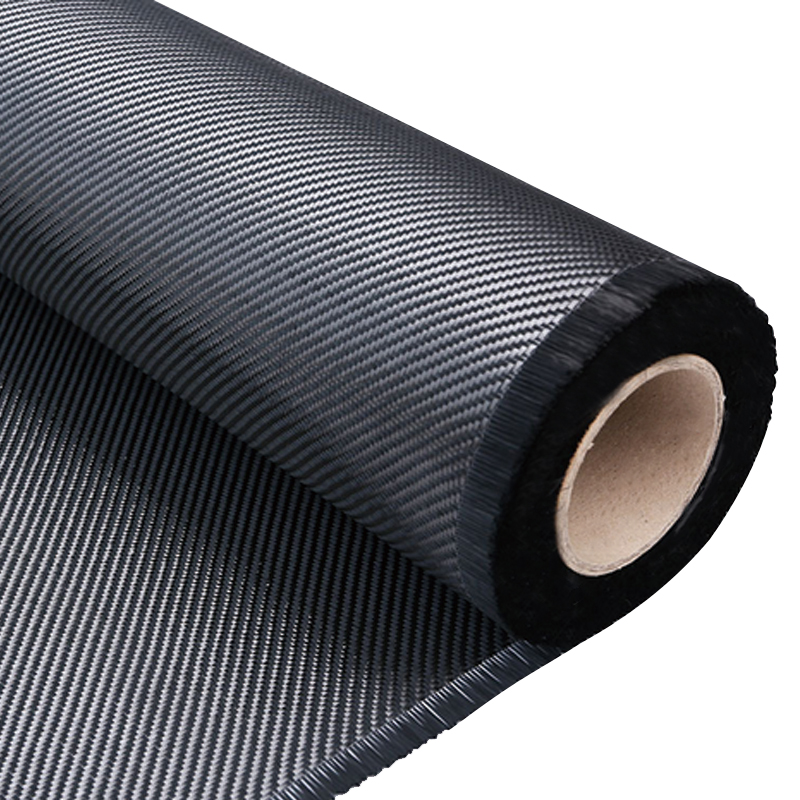
Carbon fiber material is a woven composite of thin carbon strands bonded in a resin matrix, engineered to deliver a strength-to-weight ratio roughly five times higher than steel. That single ratio explains most of its adoption across automotive and industrial manufacturing.
- Lightweight strengthDelivers steel-level tensile strength at roughly one-quarter the weight
- StiffnessHigh modulus fiber resists flexing under structural load
- Corrosion resistanceDoes not rust or degrade in chemical or marine environments
- Thermal stabilityHolds mechanical properties across wide temperature swings
Carbon fiber material: a resin-bonded composite of carbon strands that combines steel-level strength with a fraction of the weight, engineered specifically for structural and performance-critical parts.
02Automotive Applications of Carbon Fiber Material
Vehicle Body Components
Body panels, structural frames, and monocoque chassis sections use carbon fiber layups to cut vehicle mass without sacrificing crash performance, since the material absorbs impact energy more predictably than sheet steel.
Electric Vehicle Manufacturing
EV makers use carbon fiber material for battery enclosures and underbody shielding, where every kilogram saved extends driving range. Reducing structural weight by 100kg can add measurable miles per charge.
Performance and Interior Parts
Spoilers, splitters, dashboards, and trim panels rely on carbon fiber for both aerodynamic gains and the visual weave finish increasingly used as a design signature in performance trims.
03Industrial and Infrastructure Applications
| Industry | Typical Application |
| Industrial equipment | Precision machine parts, robotic arms, tooling |
| Aerospace | Structural panels, fuselage components |
| Renewable energy | Wind turbine blades and spars |
| Construction | Structural reinforcement wraps for concrete and steel |
04How Carbon Fiber Material Is Processed
Manufacturing moves through four stages: fabric layup, where woven sheets are shaped to a mold; resin infusion or prepreg impregnation, which bonds the fibers into a rigid matrix; autoclave or oven curing under heat and pressure; and CNC machining to trim parts to final tolerance.
05Carbon Fiber Material vs Traditional Engineering Materials
Highest strength-to-weight ratio, excellent fatigue resistance, higher upfront material cost
Lighter than steel but roughly 30 percent heavier than carbon fiber for equal strength
Non-corrosive, holds shape under repeated structural load without fatigue cracking
Higher raw strength but roughly five times heavier and prone to corrosion
Higher stiffness and lower weight, suited to load-bearing structural parts
Lower cost but significantly less stiff and heavier for the same strength target
06Selecting the Right Carbon Fiber Grade
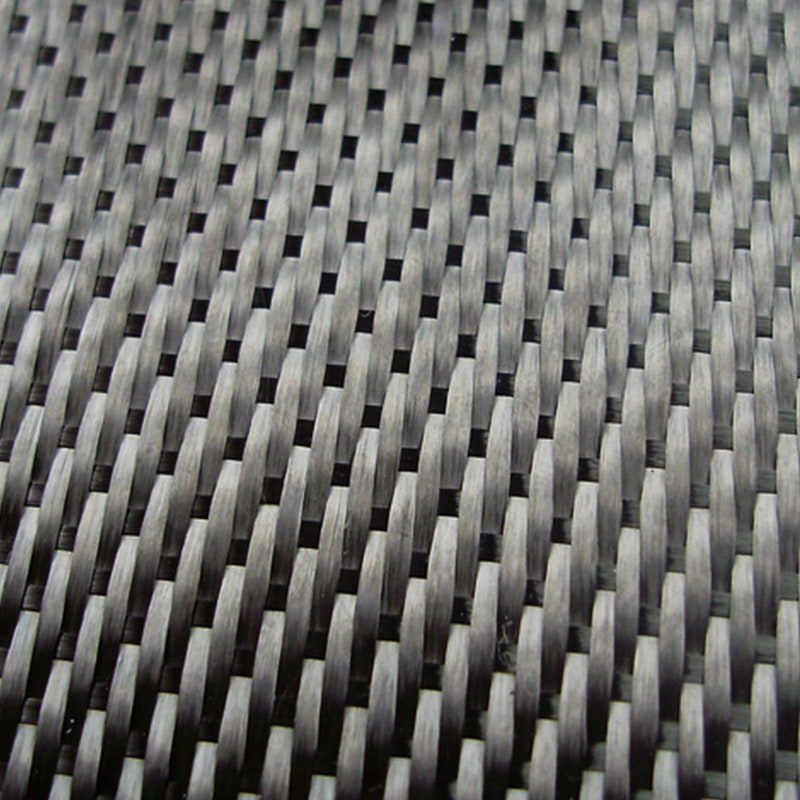
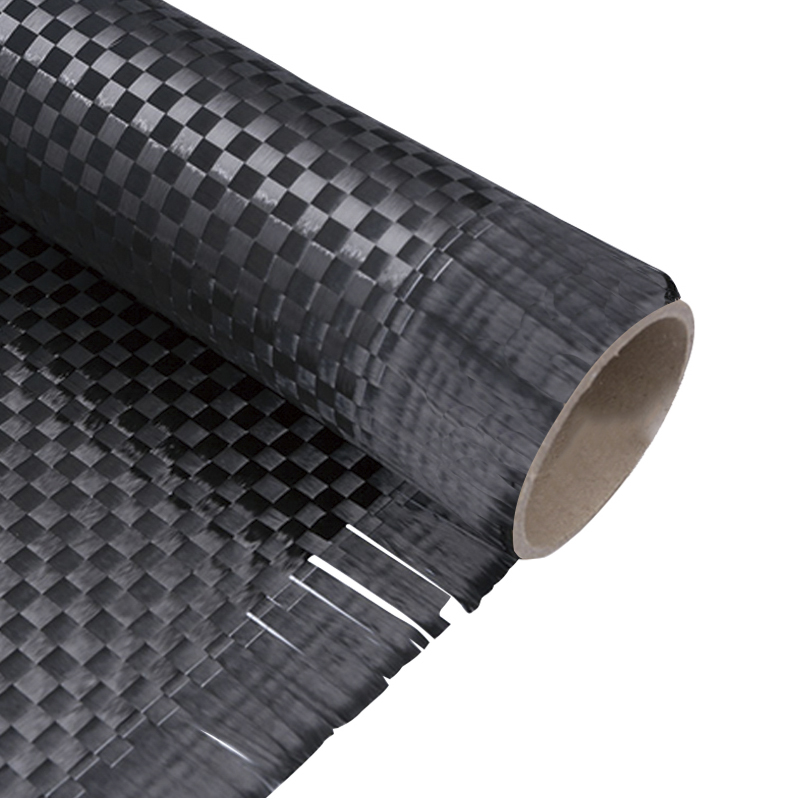
Buyers should weigh five factors before ordering: fiber grade and tensile modulus, weave type and composite structure, compatibility with the intended layup or molding process, the environmental demands of the end application, and production cost against required volume. A standard-modulus woven fabric suits most automotive trim, while high-modulus unidirectional fiber is reserved for aerospace-grade structural parts.
Frequently Asked Questions
What is carbon fiber material used for?
It is used to build lightweight, high-strength components for vehicle bodies, EV battery structures, aerospace panels, wind turbine blades, and structural reinforcement systems.
Is carbon fiber stronger than steel?
Pound for pound, yes. Carbon fiber offers a higher strength-to-weight ratio, though steel can have higher absolute tensile strength in some grades.
Why do electric vehicles use carbon fiber material?
Reducing structural weight directly extends driving range, making carbon fiber a priority material for battery enclosures and underbody components.
How is carbon fiber material manufactured into parts?
Woven fabric or prepreg is layered into a mold, bonded with resin, cured under heat and pressure, then CNC machined to final dimensions.
 +86-13961668677
 No. 61, Xingyuan Road, Jiefang Village, Gushan Town, Jiangyin City, Jiangsu Province, China.