 Get In Touch
 English
  中文简体
中文简体 عربى
عربى Tiếng Việt
Content
- 1 What Is Aramid Woven Fabric and Why Is It Widely Used in Industrial Applications?
- 2 What Are the Main Types of Aramid Woven Fabrics?
- 3 What Industries Use Aramid Woven Fabric Most?
- 4 What Performance Properties Make Aramid Woven Fabric Suitable for Extreme Conditions?
- 5 How Does Aramid Woven Fabric Compare With Carbon Fiber and Fiberglass?
- 6 How Is Aramid Woven Fabric Manufactured?
- 7 What Are the Limitations of Aramid Woven Fabric?
- 8 What Are the Future Trends of Aramid Woven Fabric in Global Markets?
- 9 Frequently Asked Questions: Aramid Woven Fabric
What Is Aramid Woven Fabric and Why Is It Widely Used in Industrial Applications?
Aramid woven fabric consists of high-performance synthetic fibers derived from aromatic polyamide polymers, engineered into woven textile structures for applications demanding exceptional strength, heat resistance, and durability. Unlike conventional textiles, aramid woven fabric maintains structural integrity at temperatures exceeding 300°C while delivering tensile strengths rivaling aluminum alloys.
Definition: Aramid woven fabric is an engineered textile composed of aromatic polyamide fibers arranged in systematically interlocked patterns, designed to provide exceptional heat resistance, flame protection, cut resistance, and mechanical strength for high-performance industrial, aerospace, and personal protective equipment applications.
The widespread industrial adoption of aramid woven fabric stems from its unique performance envelope: properties typically requiring multiple specialized materials can be achieved through single aramid woven fabric solutions. Aerospace manufacturers rely on aramid woven fabric for composite reinforcement in aircraft fuselages, wings, and internal structures. Military applications span protective garments, ballistic barriers, and equipment components requiring extreme durability. Firefighter protective gear utilizes aramid woven fabric as the primary thermal barrier preventing heat transmission to wearer skin. Automotive manufacturers incorporate aramid woven fabric in brake systems, engine compartments, and structural reinforcement applications.
What Are the Main Types of Aramid Woven Fabrics?
Aramid fiber chemistry permits two primary variations, each delivering distinct performance characteristics suited to specific application categories:
Para-Aramid Fabrics
Para-aramid fibers (including commercial variants) represent the highest-strength aramid category, delivering tensile strengths approaching 27 GPa and exceptional cut resistance. Aramid woven fabric constructed from para-aramid filaments exhibits superior ballistic protection, mechanical impact resistance, and long-term durability. Applications include personal armor, rope manufacturing, high-performance composite reinforcement, and extreme-duty industrial textiles. The material maintains exceptional properties across repeated use cycles without significant degradation.
Meta-Aramid Fabrics
Meta-aramid fibers deliver slightly lower tensile strength compared to para-aramid variants but provide superior thermal stability and flame resistance characteristics. Aramid woven fabric from meta-aramid chemistry exhibits exceptional performance in flash fire scenarios and thermal radiation environments. Firefighter protective clothing predominantly utilizes meta-aramid aramid woven fabric due to its superior flame-blocking properties and thermal comfort characteristics. The material exhibits better moisture management and breathability compared to para-aramid alternatives.
What Industries Use Aramid Woven Fabric Most?
Aramid woven fabric applications span industrial sectors where performance demands exceed conventional textile capabilities. Primary user industries each leverage distinct property combinations addressing sector-specific requirements:
- Aerospace and Aviation: Aircraft manufacturers utilize aramid woven fabric as composite reinforcement in fuselage panels, wing structures, stabilizer components, and interior furnishings. The material's strength-to-weight ratio enables fuel efficiency improvements while meeting rigorous safety certification standards. Aramid woven fabric composites withstand cabin pressurization cycles, thermal fluctuations, and structural loads throughout extended aircraft service life.
- Military and Defense: Defense applications represent one of the largest aramid woven fabric consumption sectors. Protective body armor systems utilize aramid woven fabric as ballistic-resistant barriers, dispersing projectile impact energy across the textile structure. Military equipment ranging from helmets to equipment harnesses incorporates aramid woven fabric for durability and performance reliability.
- Firefighting and Emergency Services: Aramid woven fabric represents the foundational component in protective gear for firefighters, rescue personnel, and emergency responders. Protective turnout gear utilizes aramid woven fabric as the primary thermal barrier, preventing heat transmission while maintaining breathability and mobility during emergency operations.
- Automotive Manufacturing: High-performance automotive applications including brake linings, clutch facings, and thermal insulation components incorporate aramid woven fabric for heat resistance and durability. Racing and performance vehicles particularly rely on aramid woven fabric composites for weight reduction and structural reinforcement.
- Industrial Protective Equipment: Work environments demanding thermal, chemical, or mechanical protection utilize aramid woven fabric in specialized apparel, welding protection systems, and chemical-resistant garments. The textile's chemical inertness prevents degradation from exposure to corrosive substances common in industrial settings.
What Performance Properties Make Aramid Woven Fabric Suitable for Extreme Conditions?
The exceptional performance of aramid woven fabric across demanding applications derives from distinctive molecular and physical properties delivering multiple simultaneous performance advantages:
Exceptional Heat Resistance
Aramid woven fabric maintains structural integrity at temperatures exceeding 300°C, with decomposition temperature thresholds at approximately 600°C. The aromatic polymer backbone resists thermal degradation mechanisms that compromise conventional synthetic fibers at elevated temperatures. The material demonstrates minimal strength loss even after repeated thermal cycling, enabling reliability in environments experiencing temperature fluctuations.
Outstanding Flame Resistance
Unlike combustible synthetic fibers, aramid woven fabric exhibits inherent flame resistance without requiring chemical treatments. The material resists ignition and demonstrates minimal flame propagation even in direct flame exposure. Char formation on the textile surface actually provides additional thermal protection through insulation mechanisms, making aramid woven fabric ideal for flash fire protection applications.
Superior Tensile Strength
Para-aramid aramid woven fabric delivers tensile strengths exceeding 27 GPa, approximately 5 times stronger than steel on equivalent weight basis. This exceptional mechanical strength enables applications from ballistic protection to structural reinforcement where weight constraints demand superior strength-to-weight ratios. The strength persists across extended use periods without significant degradation.
Cut and Abrasion Resistance
Aramid woven fabric resists cutting and tearing even against sharp implements, a critical property for personal protective equipment in hazardous work environments. The dense fiber weave and inherent fiber properties combine to resist severing mechanisms that readily damage conventional textiles. This cut resistance persists throughout the textile lifespan without requiring chemical treatments.
Chemical Inertness
The aromatic polyamide molecular structure provides resistance to degradation from exposure to oils, solvents, acids, and bases commonly encountered in industrial environments. Aramid woven fabric maintains mechanical properties even after extended contact with aggressive chemical substances, eliminating concerns about material degradation from chemical exposure.
Impact Absorption
The fiber arrangement and molecular flexibility of aramid woven fabric enables exceptional impact energy absorption. Ballistic protection systems leverage this property to distribute projectile impact energy across large surface areas, preventing penetration while minimizing localized damage concentration.
How Does Aramid Woven Fabric Compare With Carbon Fiber and Fiberglass?
While aramid fibers represent one category within advanced composite reinforcement materials, comparing aramid woven fabric against alternative reinforcement options clarifies optimal material selection for specific applications:
| Property | Aramid Woven Fabric | Carbon Fiber Woven | Fiberglass Woven |
| Tensile Strength | 27 GPa (para-aramid) | 3.5-4 GPa (carbon fiber) | 1.5-2 GPa (fiberglass) |
| Strength-to-Weight Ratio | Superior (5x steel equivalent) | Excellent (light, rigid) | Good (adequate for most uses) |
| Impact Resistance | Outstanding (energy absorption) | Moderate (brittle failure modes) | Good (flexible, shock-absorbing) |
| Heat Resistance | Excellent (300°C+ stability) | Moderate (depends on resin) | Good (100-200°C typical) |
| Flame Resistance | Inherent (no treatment required) | Resin-dependent (requires additive) | Resin-dependent (requires additive) |
| Cost per Unit | High ($15-25/kg) | Moderate ($10-20/kg) | Low ($3-8/kg) |
| Ballistic Performance | Outstanding (primary armor use) | Limited (not typically used) | Poor (unsuitable for ballistic) |
| Moisture Sensitivity | Moderate (some absorption) | Low (hydrophobic) | Moderate (can absorb moisture) |
Carbon fiber woven materials deliver exceptional stiffness and electrical conductivity, making them preferred for aerospace structural components requiring rigidity. However, carbon fiber composites exhibit brittleness that limits suitability for impact-resistant applications. Fiberglass woven fabrics offer cost-effectiveness and adequate properties for many industrial applications but lack the performance extremes of aramid materials for thermal and ballistic requirements.
Aramid woven fabric uniquely combines outstanding strength with exceptional impact absorption, making it the preferred choice for ballistic protection and thermal barrier applications. Many advanced composite systems strategically blend multiple fiber types, utilizing aramid woven fabric for impact resistance combined with carbon fiber for structural rigidity, achieving optimal performance for demanding applications.
How Is Aramid Woven Fabric Manufactured?
Manufacturing aramid woven fabric involves multiple distinct processing stages, beginning with polymer synthesis and culminating in finished textile products meeting rigorous quality specifications.
Aramid fiber production begins with aromatic polyamide polymer synthesis through polycondensation reactions combining aromatic diacids with aromatic diamines. The resulting polymer chains possess the extended aromatic conjugation conferring exceptional thermal stability and mechanical strength. Polymer solutions undergo extrusion through spinnerets, creating individual filaments with controlled diameters. Wet spinning processes for meta-aramid and dry-jet wet spinning for para-aramid enable precise fiber property engineering.
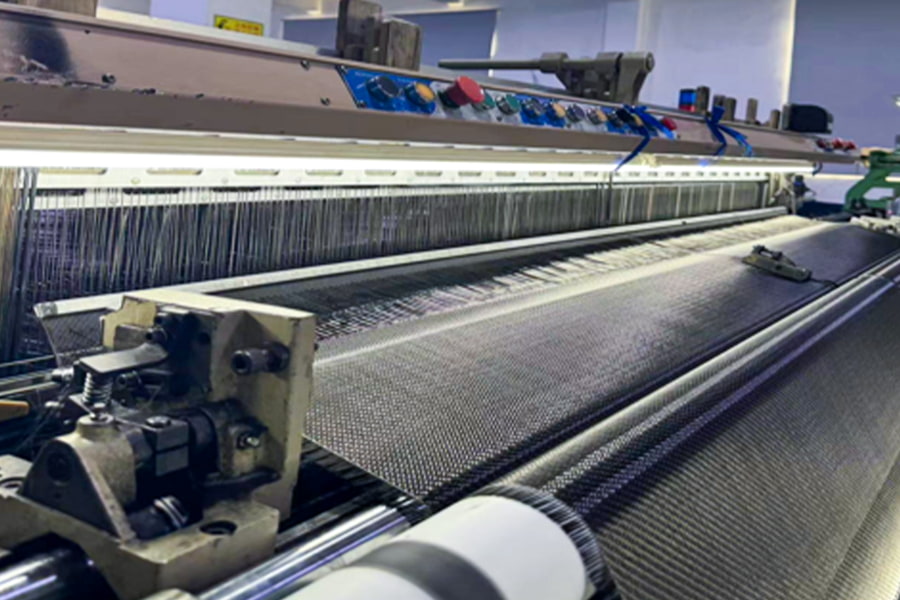
Spun filaments undergo further processing including sizing application (protective coating enabling handling and processing) and strand consolidation into yarn structures suitable for weaving operations. Aramid woven fabric production employs industrial looms adapted for high-strength fibers, typically operating at lower speeds than conventional textile looms due to increased fiber stiffness and weaving complexity. Warp tension management and shuttle control demand precision engineering to prevent fiber breakage during the weaving process.
Finished aramid woven fabric undergoes quality inspection verifying weave pattern consistency, dimensional accuracy, and freedom from defects. Finishing processes may include heat setting to stabilize weave geometry, surface treatments to enhance adhesion for composite applications, or coating applications providing additional functionality. Final products undergo performance testing including tensile strength verification, thermal stability assessment, and flame resistance validation before commercial release.
What Are the Limitations of Aramid Woven Fabric?
Despite exceptional performance across most parameters, aramid woven fabric presents specific limitations influencing material selection and application feasibility:
UV Sensitivity and Photodegradation: Extended outdoor exposure to ultraviolet radiation causes gradual degradation of aramid woven fabric, reducing tensile strength and color stability. The aromatic polymer backbone undergoes photochemical degradation when exposed to direct sunlight for extended periods. Applications utilizing aramid woven fabric in outdoor environments require protective coatings or restricted exposure duration to maintain performance specifications.
Moisture Absorption Characteristics: Aramid woven fabric absorbs moisture from humid environments, potentially reducing mechanical properties by 10-15% under high-humidity conditions. This moisture sensitivity necessitates proper storage in controlled environments and may require protective barriers for applications in high-humidity settings. The moisture absorption reverses upon drying, but repeated absorption-desorption cycles can cause dimensional instability.
Manufacturing Complexity and Cost: Aramid fiber production and aramid woven fabric manufacturing demand specialized equipment and strict process control. Production costs remain substantially higher than conventional textiles or fiberglass alternatives. This cost barrier limits adoption to applications where performance requirements justify premium pricing.
Processing Difficulty: The fiber stiffness and strength of aramid woven fabric complicate cutting, sewing, and shaping operations during manufacturing. Specialized tooling and techniques are required, potentially increasing fabrication time and labor costs. The material resists conventional cutting approaches, requiring abrasive or specialty implements.
Chemical Sensitivity to Strong Bases: While generally chemically inert, aramid woven fabric exhibits limited tolerance for strong alkaline environments, which can attack the polyamide backbone. Strong bases may cause fiber degradation and strength loss, restricting suitability for specific chemical processing environments.
What Are the Future Trends of Aramid Woven Fabric in Global Markets?
Market trajectories and technological developments suggest evolving applications and positioning for aramid woven fabric within advanced materials sectors.
Advanced Protective Textile Development: Next-generation protective garments integrate aramid woven fabric with emerging technologies including temperature-responsive fibers, phase-change materials, and integrated sensory systems. Smart protective gear combining aramid woven fabric mechanical protection with electronic monitoring capabilities represents an expanding market segment, particularly for military and industrial applications.
Hybrid Composite Material Systems: Advanced aerospace and automotive applications increasingly utilize hybrid composites blending aramid woven fabric with carbon fiber, glass fiber, and novel reinforcement materials. Strategic fiber layering and orientation optimization enable customized performance profiles addressing specific application requirements while optimizing cost structures.
Sustainability and Recyclability Initiatives: Growing environmental consciousness and regulatory pressures drive research into sustainable aramid fiber production and recyclable composite systems utilizing aramid woven fabric. Emerging technologies enabling aramid fiber recovery from composite waste represent significant future development areas.
Expanded Industrial Applications: Emerging applications including renewable energy equipment (wind turbine structures), advanced transportation systems (autonomous vehicle components), and specialized industrial equipment continue expanding the aramid woven fabric market. Custom-engineered aramid products addressing niche high-performance applications represent substantial growth opportunities.
 |
 |
Frequently Asked Questions: Aramid Woven Fabric
What Exactly Is Aramid Woven Fabric?
Aramid woven fabric is a high-performance synthetic textile constructed from aromatic polyamide fibers woven into specific patterns. The material delivers exceptional strength, heat resistance, and flame protection properties suitable for extreme industrial and safety applications.
Is Aramid Fabric Truly Fireproof?
Aramid woven fabric exhibits inherent flame resistance without chemical treatments, resisting ignition and flame propagation. The material forms protective char layers under extreme heat. While not technically "fireproof," aramid woven fabric provides superior thermal protection compared to virtually all alternative textile options.
What Are Common Applications for Aramid Woven Fabric?
Primary applications include aerospace composite reinforcement, military protective equipment, firefighter protective clothing, automotive thermal barriers, and industrial safety textiles. The material's exceptional property combination addresses requirements spanning ballistic protection, thermal resistance, and mechanical durability.
Is Aramid Fabric Waterproof?
Aramid woven fabric is not inherently waterproof but can be treated with water-repellent coatings or laminated with waterproof membranes for water resistance applications. The textile itself absorbs moisture but maintains functional properties even when wet.
How Strong Is Aramid Woven Fabric Compared to Other Materials?
Para-aramid aramid woven fabric delivers tensile strengths approximately 5 times greater than steel on equivalent weight basis. The material's strength-to-weight ratio exceeds virtually all conventional materials, making it suitable for applications requiring exceptional strength without weight penalties.
 +86-13961668677
 No. 61, Xingyuan Road, Jiefang Village, Gushan Town, Jiangyin City, Jiangsu Province, China.