 Get In Touch
 English
 中文简体
 عربى
 Tiếng Việt

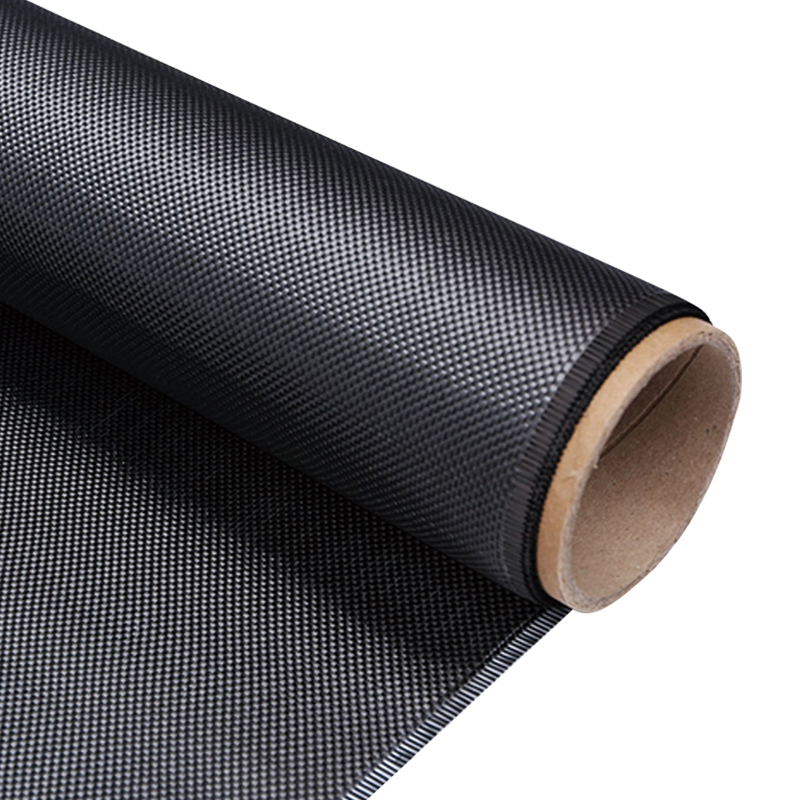
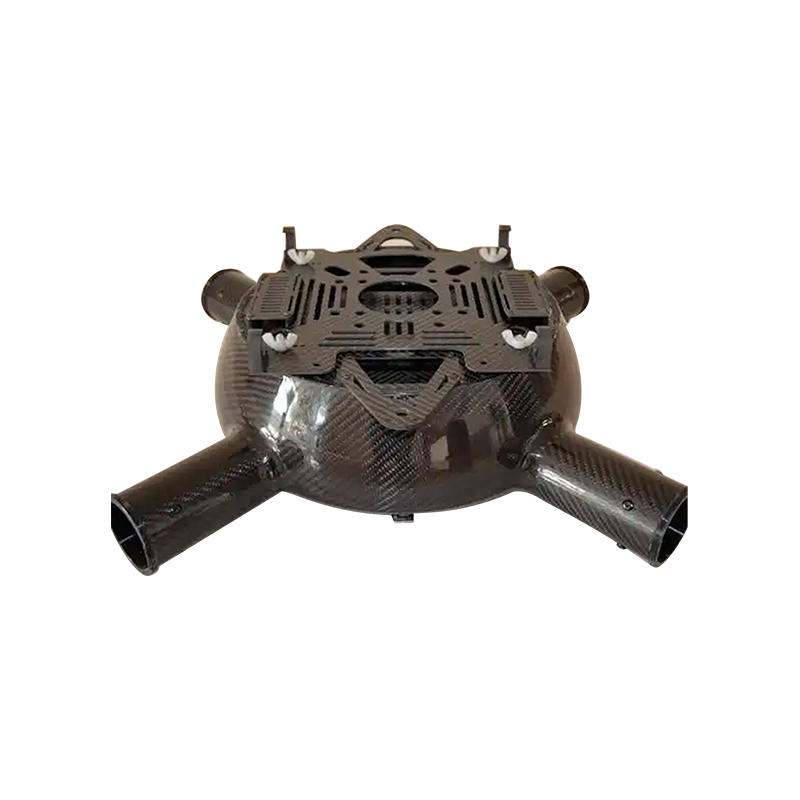
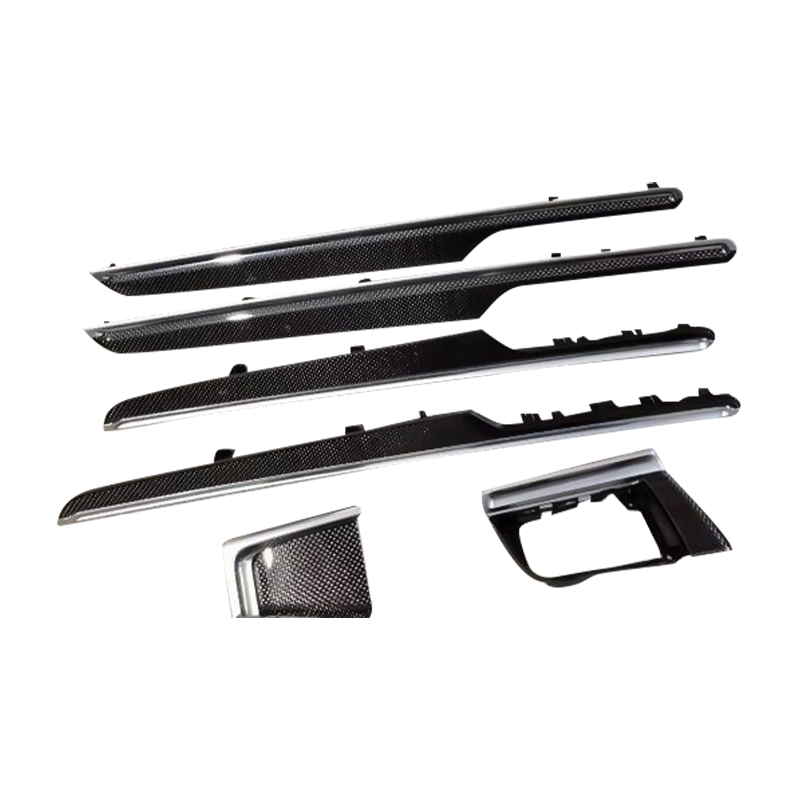
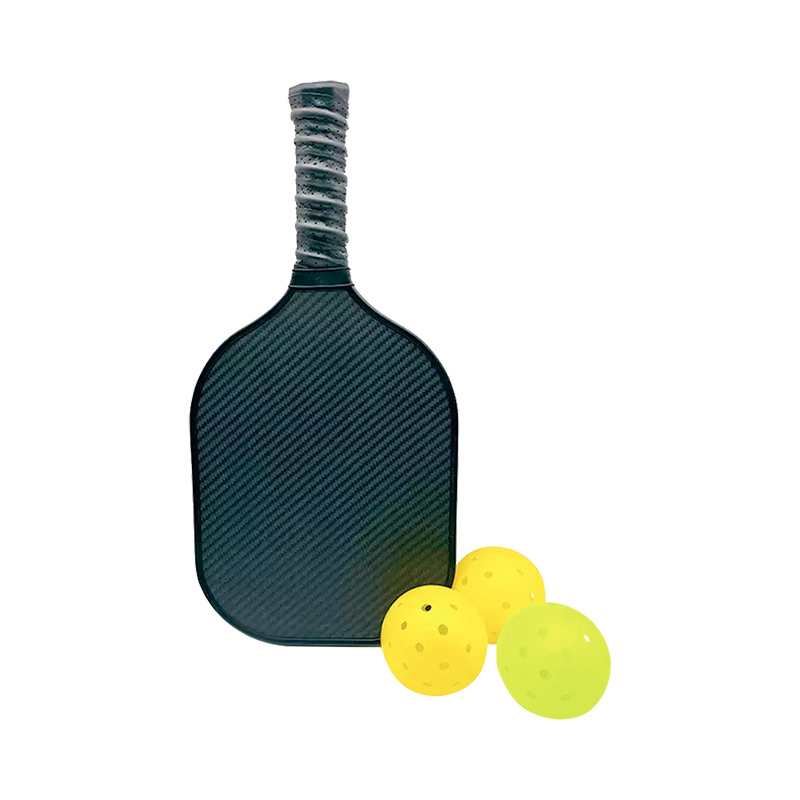
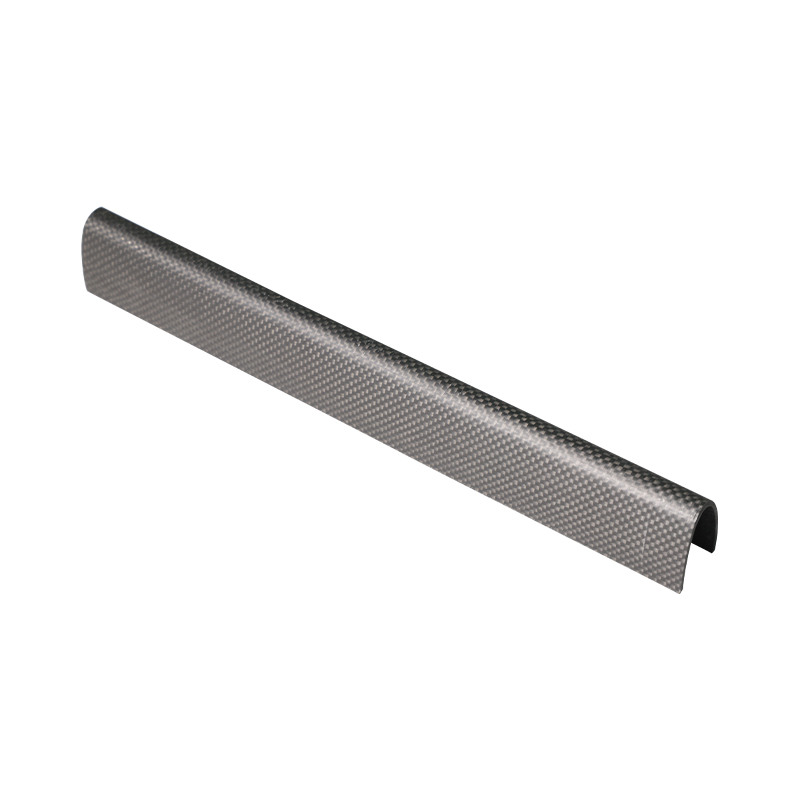
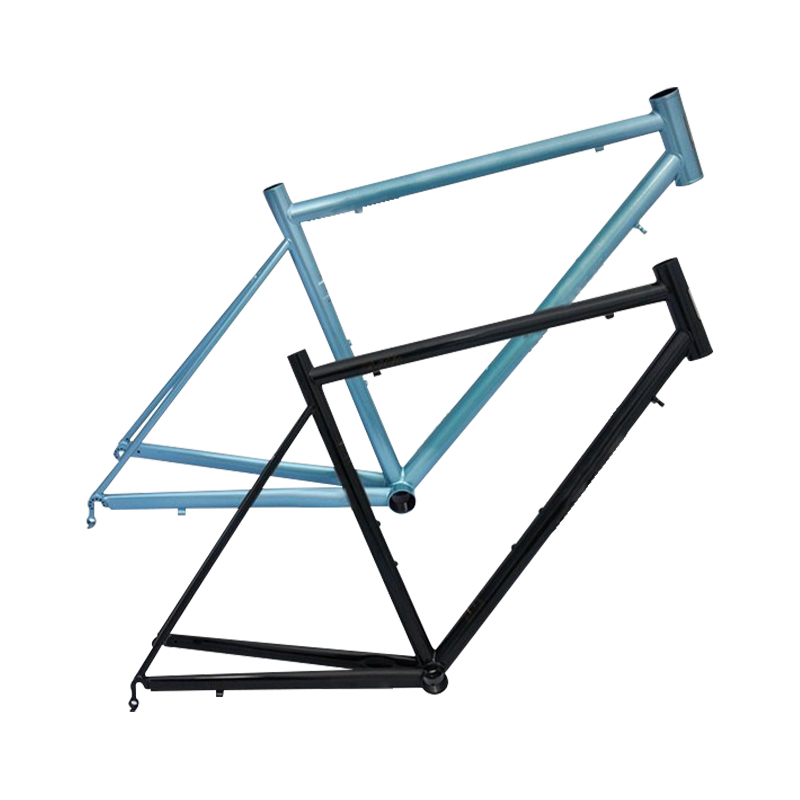
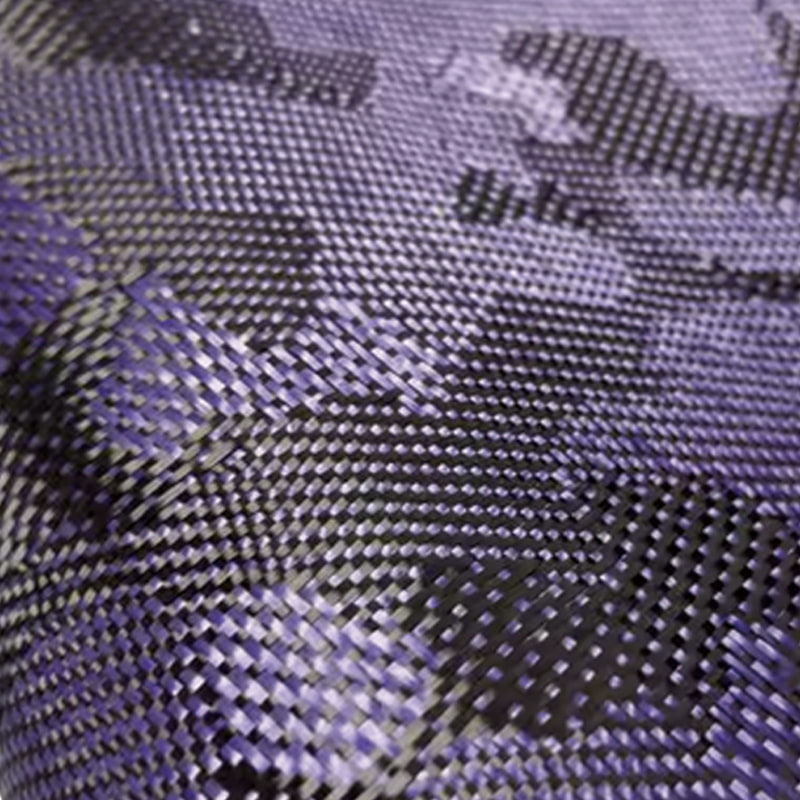
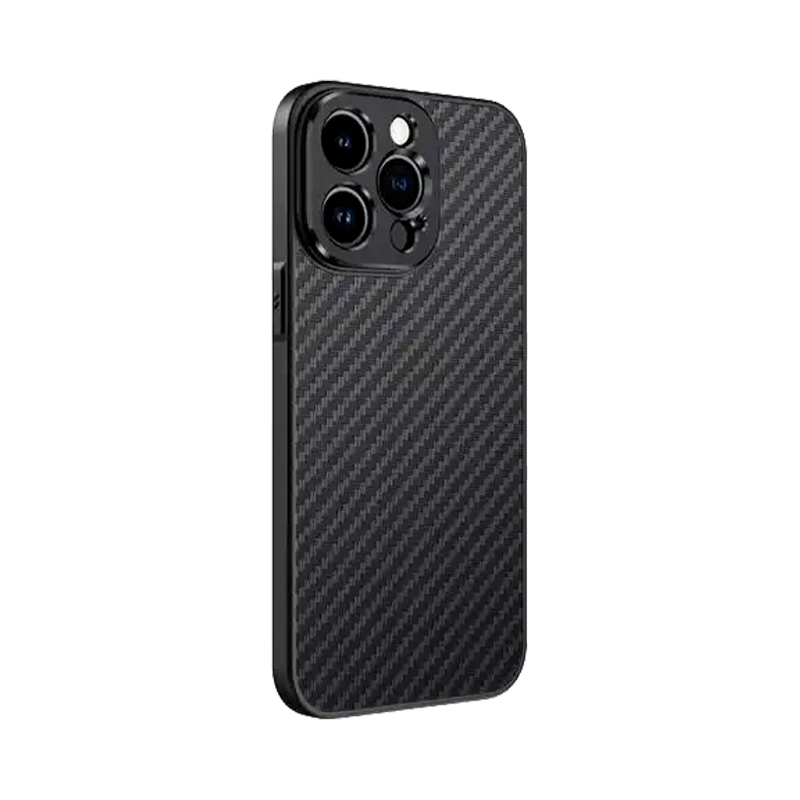
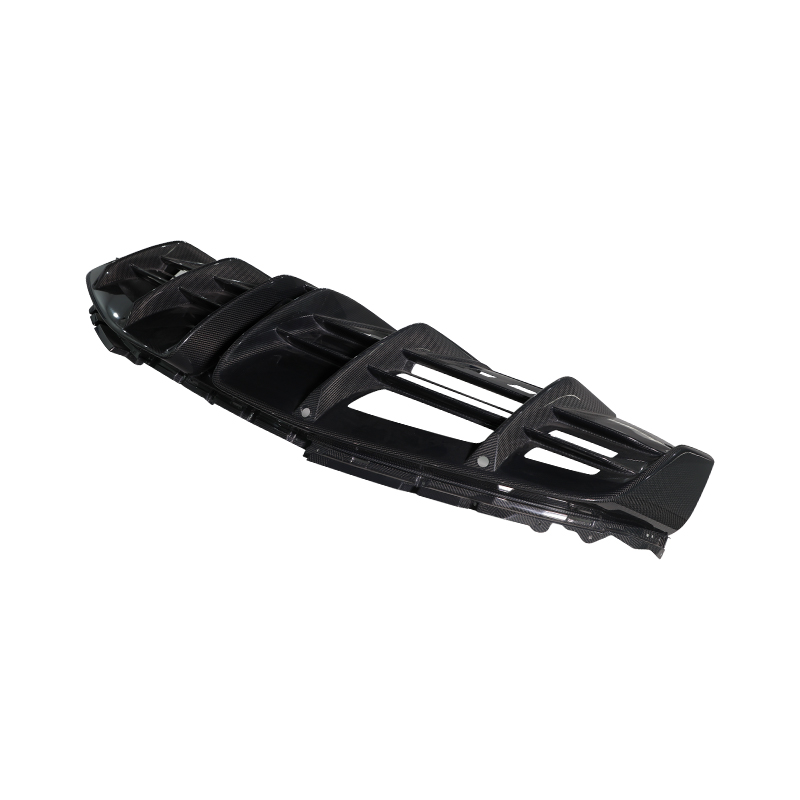
Plain Weave Carbon Fiber Cloth
Plain Weave Carbon Fiber Cloth is produced by interlacing warp and weft carbon fiber yarns in an alternating over-under pattern. This construction creates a balanced textile structure with regular yarn intersections, making the fabric suitable for composite reinforcement projects that require consistent fiber distribution and manageable handling.
Its symmetrical weave arrangement supports reinforcement in two principal fabric directions. Selection should account for fiber grade, tow size, fabric weight, yarn density, roll width, and compatibility with the intended resin and forming process.
Understanding the Plain Weave Arrangement
In a plain weave, each warp yarn alternates over and under successive weft yarns. The regular interlacing pattern produces a compact fabric construction with frequent crossover points.
Simplified schematic for explaining interlacing, not a photograph or dimensional representation of an actual fabric.
Frequent Yarn Intersections
Warp and weft yarns cross at regular intervals, creating a stable and recognizable woven structure.
Balanced Fabric Directions
Reinforcing yarns are arranged in both principal directions, although actual directional properties depend on yarn count and fabric specifications.
Controlled Fabric Handling
The compact interlacing can help maintain yarn positioning during cutting, transfer, and layup operations.
What Defines Plain Weave Carbon Fabric?
The fabric's performance and handling characteristics are determined by the interaction between its carbon yarns, weave density, and finishing specifications.
Compact Interlacing
The alternating yarn arrangement creates frequent crossover points and a regular surface pattern. This construction can help limit yarn displacement during routine fabric handling.
Two-Direction Reinforcement
Warp and weft yarns provide reinforcement along two principal directions. The balance between these directions depends on yarn specifications and fabric construction.
Distinctive Surface Pattern
The regular checker-like weave appearance can be visible through transparent or lightly colored resin systems, depending on laminate finishing and surface treatment.
Frequent Crimp Points
The repeated over-under arrangement introduces more yarn crimp than some less-interlaced fabric constructions. This can influence fiber alignment and the mechanical performance of the finished laminate.
Plain Weave Compared with Other Carbon Fiber Constructions
Weave pattern selection should be based on component geometry, fiber alignment, forming requirements, and laminate performance rather than appearance alone.
These are general construction distinctions. Actual handling and mechanical properties depend on the specific fabric design, fiber type, and composite processing conditions.
Fabric Parameters for Project Matching
Plain weave carbon fabric should be specified with measurable material characteristics. The following parameters can be used to establish a technical purchasing requirement.
Carbon Fiber Grade
Identify the required fiber grade, tensile properties, modulus category, and supplier specification where applicable.
Tow Size
Specify the carbon fiber tow configuration for warp and weft yarns, including any differences between directions.
Areal Weight
Define the target fabric mass per square meter in gsm, together with the permitted tolerance.
Yarn Count
Confirm warp and weft yarn density, commonly expressed as yarns per centimeter or inch.
Fabric Width
Define the usable roll width and dimensional tolerance according to cutting and layup requirements.
Sizing Compatibility
Confirm the surface treatment or sizing compatibility with the intended epoxy, polyester, vinyl ester, or other resin system.
How Plain Weave Carbon Cloth Is Incorporated into Laminates
Dry plain weave fabric is typically positioned as reinforcement before resin introduction. The selected processing method determines how the fabric is impregnated, consolidated, and cured.
Fabric Preparation
Check fabric condition, dimensions, orientation, and cutting layout before placement.
Layer Placement
Position fabric plies according to the component geometry and specified reinforcement directions.
Resin Introduction
Apply or infuse a compatible resin system according to the selected composite manufacturing method.
Consolidation
Control compaction, resin distribution, and air removal to meet the intended laminate requirements.
Curing and Inspection
Follow the resin system's curing requirements and inspect the finished laminate against project criteria.
Plain weave fabric is not automatically suitable for every resin or forming process. Resin wet-out, fabric permeability, draping limits, and curing conditions should be assessed before production.
Where Plain Weave Carbon Fiber Cloth Is Used
Its regular woven construction makes plain weave carbon fabric relevant to a variety of composite manufacturing projects. Final suitability depends on the required mechanical properties and component geometry.
Automotive Components
Selected body panels, interior trim, equipment covers, and composite parts requiring a regular woven reinforcement structure.
Marine Composites
Panels, covers, decks, and other engineered composite components used in boats and marine equipment.
Industrial Products
Composite housings, structural covers, lightweight machine components, and custom-fabricated parts.
Sports and Recreation
Selected sporting equipment, protective structures, and lightweight composite products.
Aerospace Composites
Non-critical or qualified composite applications where fabric specifications and material systems meet project approval requirements.
Structural Reinforcement
Selected engineered reinforcement systems, subject to substrate preparation, resin compatibility, structural design, and installation requirements.
Inspection Points for Plain Weave Fabric Procurement
Because the weave depends on consistent yarn positioning, inspection should cover both the textile construction and the material documentation.
Inspect the over-under pattern for visible irregularities, broken yarns, and local distortion.
Check for fraying, damaged tow bundles, contamination, and handling-related defects.
Verify measured areal weight and roll width against the agreed specification and tolerance.
Maintain material labels and batch records to support incoming inspection and production traceability.
Information to Include in a Plain Weave Carbon Fabric RFQ
A clear inquiry helps reduce specification gaps between material selection, sample evaluation, and repeat purchasing.
Frequently Asked Questions
What makes plain weave carbon fiber cloth different from twill weave?
Plain weave alternates each warp yarn over and under successive weft yarns, producing frequent intersections and a regular surface pattern. Twill weave uses a staggered interlacing sequence that creates diagonal lines and may offer greater drapability in certain fabric constructions.
Does plain weave carbon fiber cloth reinforce in two directions?
Yes. Its warp and weft yarns provide reinforcement along two principal fabric directions. However, the mechanical contribution in each direction depends on yarn density, tow size, fiber grade, and the final laminate configuration.
Is plain weave carbon fabric suitable for curved components?
It can be used on some curved surfaces, but its frequent yarn intersections may restrict conformability compared with certain less-interlaced constructions. The actual forming limit depends on fabric weight, yarn configuration, curvature, and layup technique.
Can plain weave carbon fiber cloth be used with epoxy resin?
Many plain weave carbon fabrics are used with epoxy systems. Buyers should still confirm sizing compatibility, resin viscosity, wet-out behavior, curing conditions, and the intended manufacturing method.
What does the GSM value mean for plain weave carbon fabric?
GSM means grams per square meter and describes the fabric's areal weight. It helps define reinforcement material consumption and laminate design, but does not independently establish the strength or stiffness of the finished composite.
Can plain weave carbon fiber cloth be used for vacuum infusion?
It may be suitable for vacuum infusion when its permeability, fabric construction, resin viscosity, and layup arrangement support adequate resin flow. A process trial or technical evaluation is recommended for the intended component.
What information should be checked before bulk purchasing?
Confirm fiber grade, tow size, warp and weft density, areal weight, fabric width, roll length, sizing compatibility, batch identification, and applicable technical documents. For repeat production, agree on inspection methods and acceptance tolerances.
 +86-13961668677

 No. 61, Xingyuan Road, Jiefang Village, Gushan Town, Jiangyin City, Jiangsu Province, China.
