 Get In Touch
 English
  中文简体
中文简体 عربى
عربى Tiếng Việt
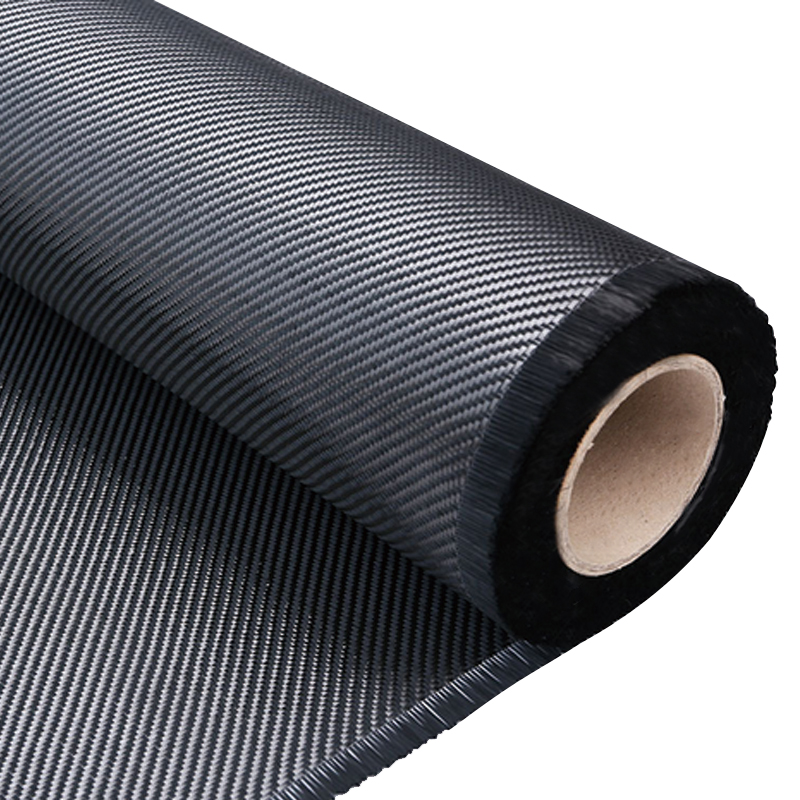
Twill Weave Carbon Fiber Fabric
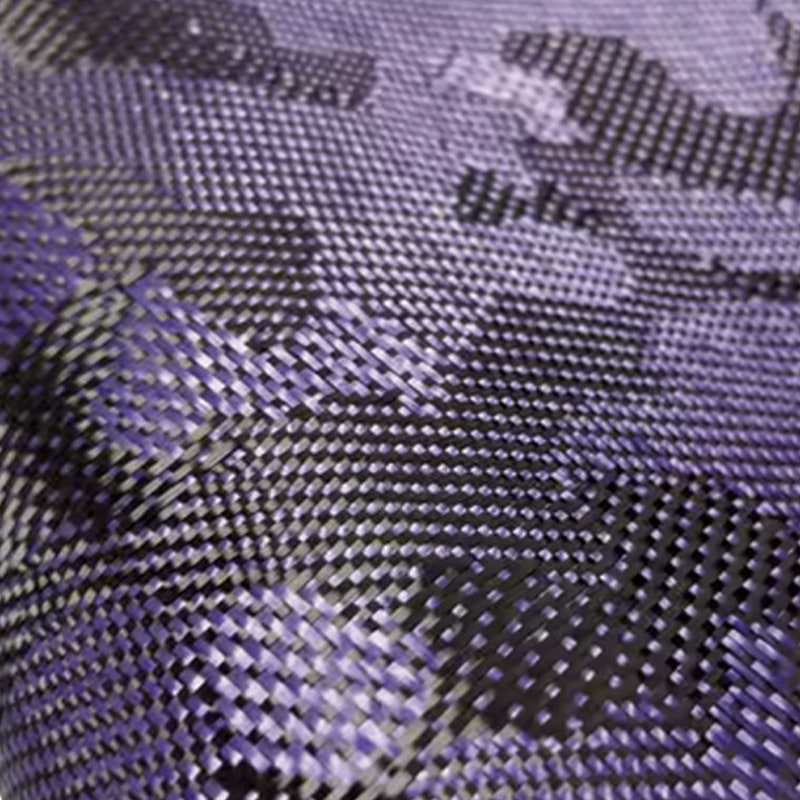
Distinctive diagonal weave architecture combining superior conformability with excellent surface aesthetics, ideal for both structural and cosmetic applications.
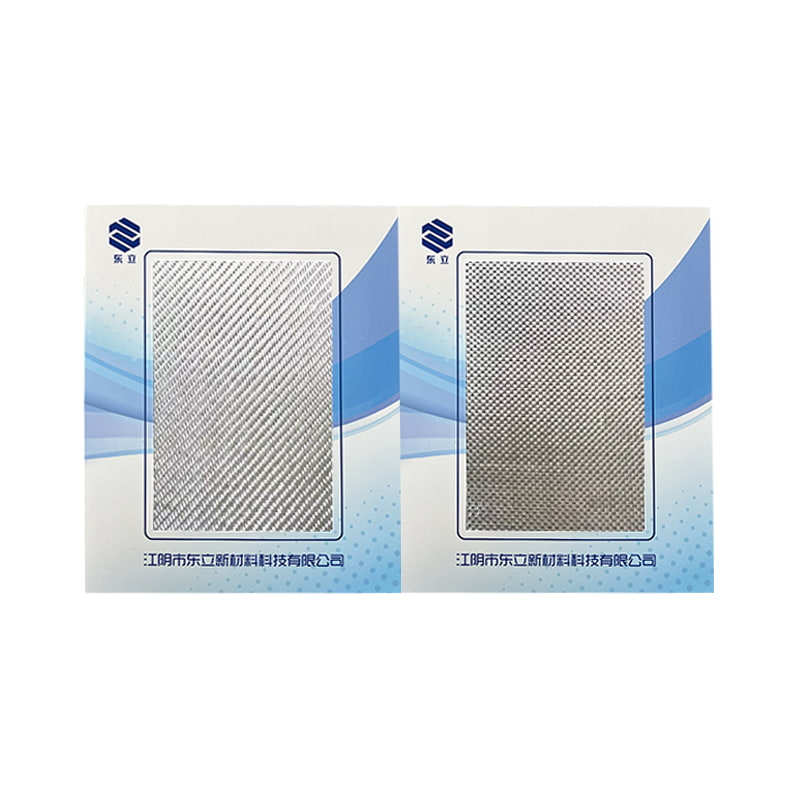
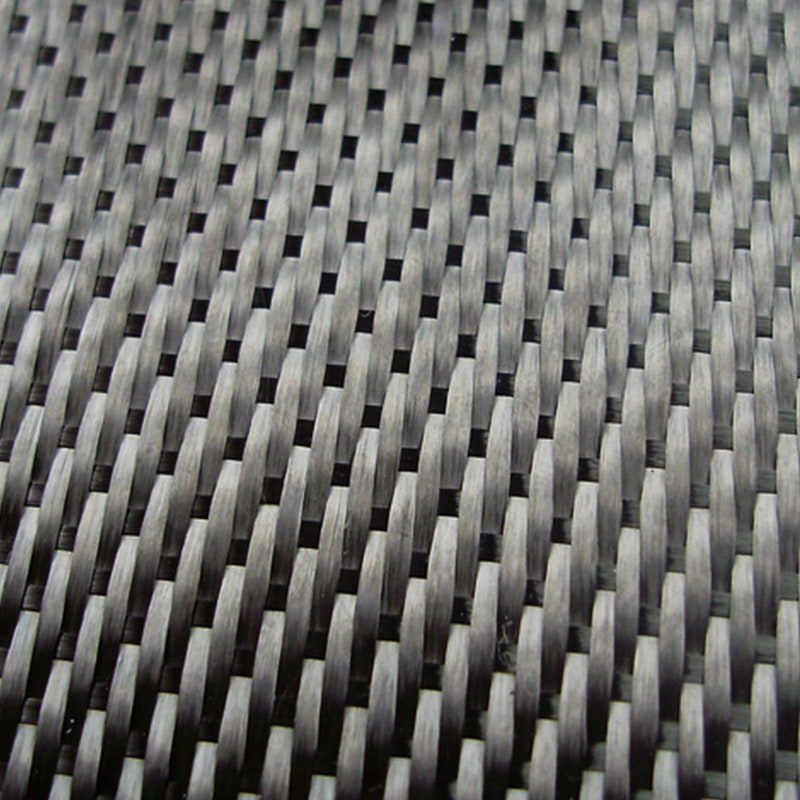
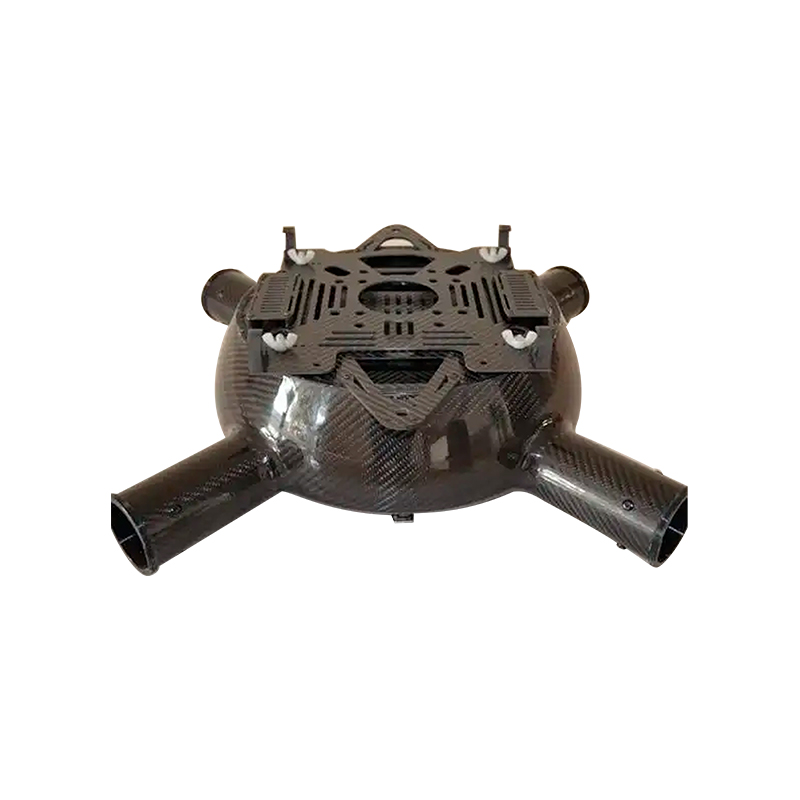
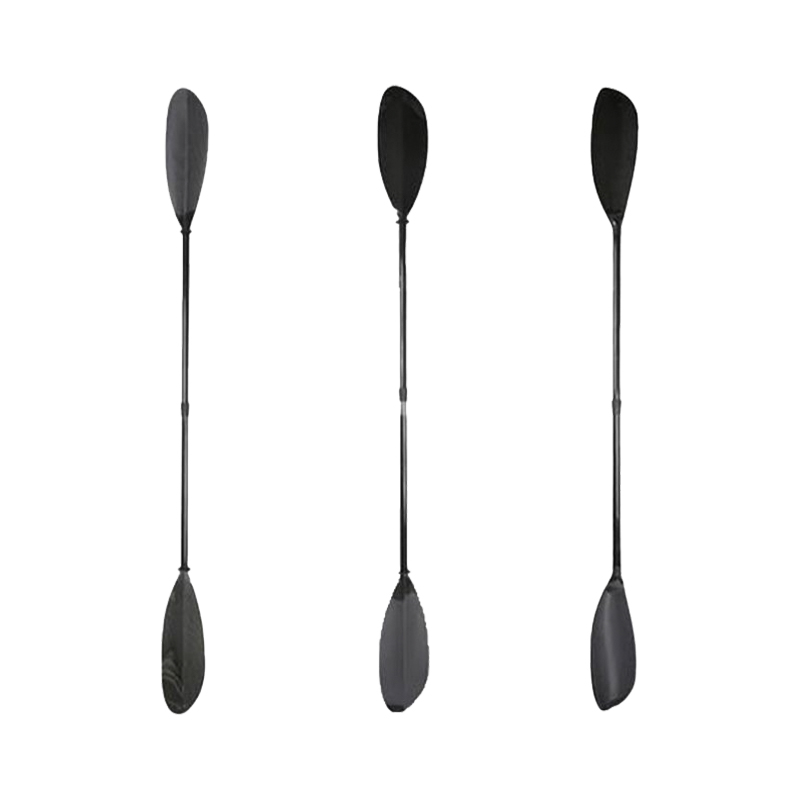
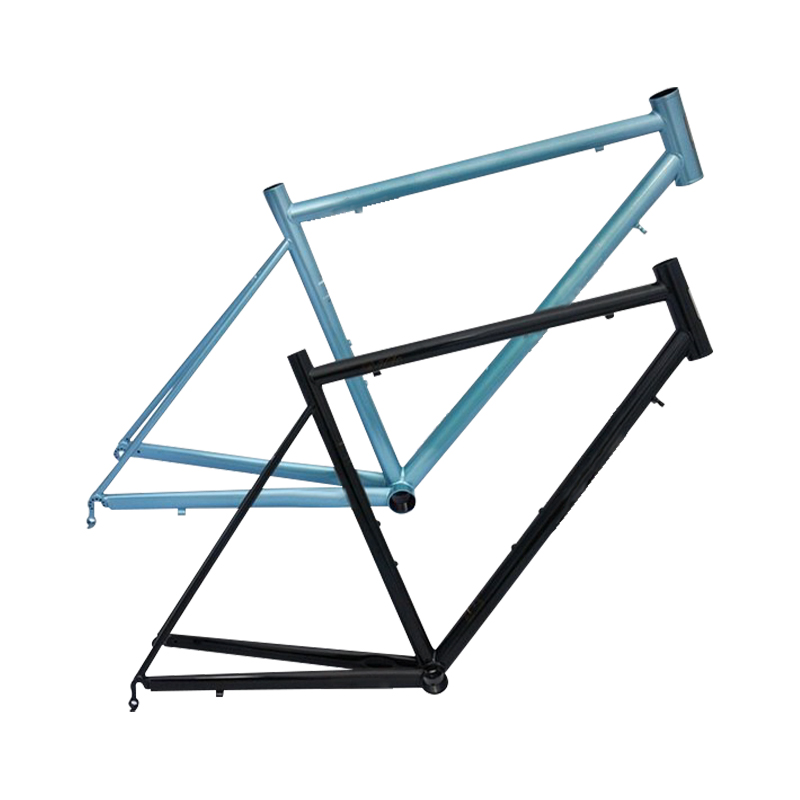
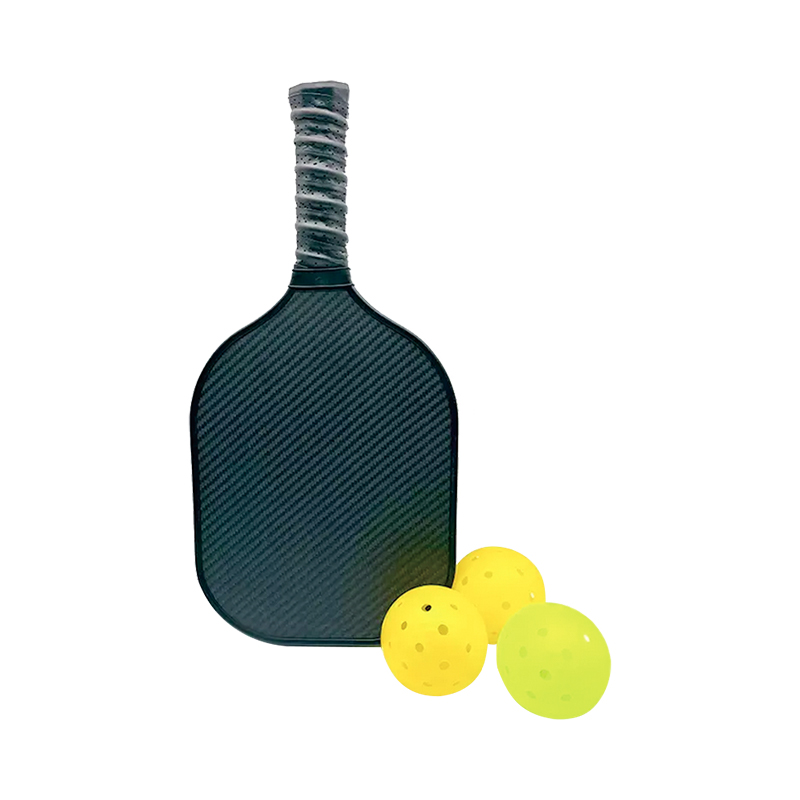
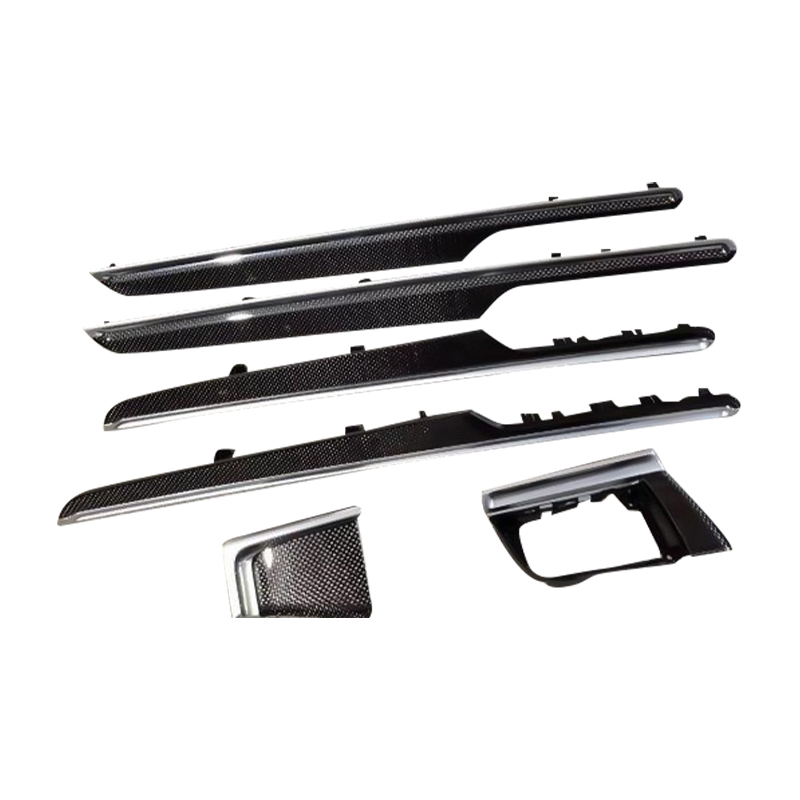
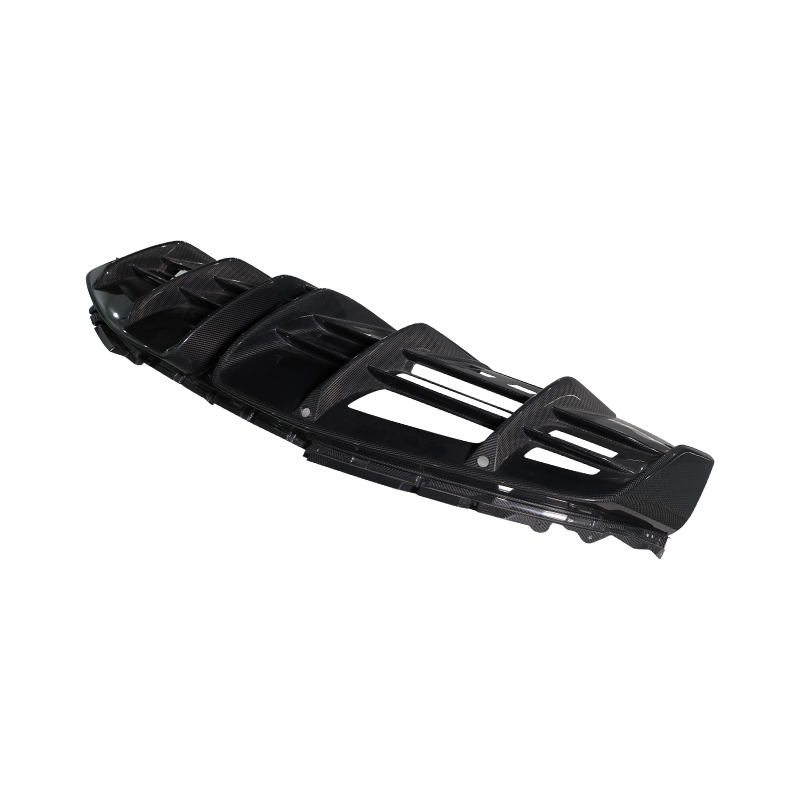
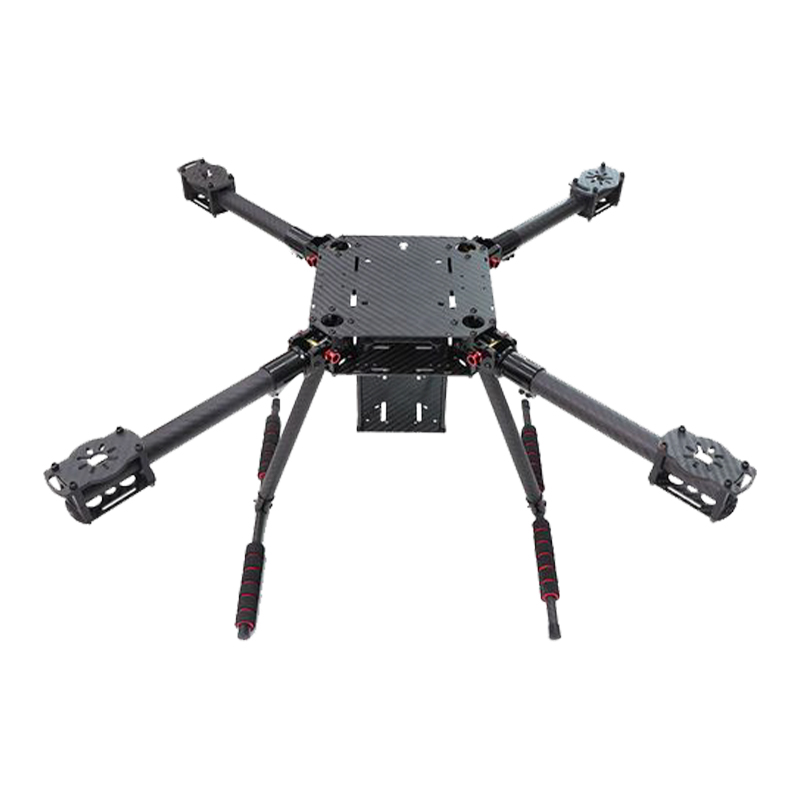
Twill Weave Carbon Fiber Fabric features a 2x2 weave pattern where each warp tow passes over two weft tows and then under two, creating a visible diagonal offset line across the fabric surface. This architecture reduces internal fiber crimp compared to plain weave, resulting in improved mechanical properties and enhanced drapeability. The twill construction allows the fabric to conform to complex contours and double-curvature molds with reduced wrinkling. Available in 3k, 6k, and 12k tow sizes with areal weights from 200 to 800 g/m². The distinctive diagonal pattern provides a premium aesthetic that is highly valued in automotive, marine, and sporting goods applications.
Key Properties & Benefits
Technical Specifications
Primary Applications
Twill vs. Plain Weave
Frequently Asked Questions
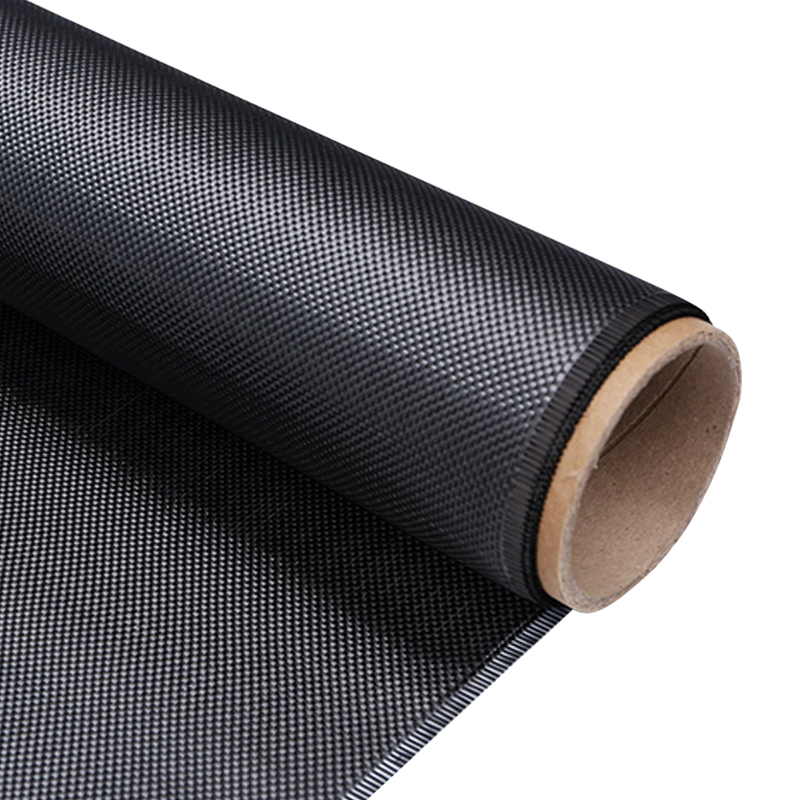
Twill weave has a 2-over-2 under pattern that reduces fiber crimp, improves drape, and creates a visible diagonal pattern. Plain weave has a 1-over-1 under pattern, which is stiffer, more stable, but less conformable and with a less distinctive surface finish.
Twill has slightly lower edge stability than plain weave, which can lead to more fraying when cutting. Use sharp shears, a hot-knife, or ultrasonic cutter to minimize fraying. Tape edges for large production runs to maintain clean edges during layup.
Yes. The open twill architecture promotes rapid resin flow and uniform wet-out during infusion. Permeability is typically 15% – 25% higher than plain weave of the same weight, making it well-suited for VARTM and RTM processes.
Epoxy resin systems provide the best balance of mechanical properties, adhesion, and cosmetic finish. Polyester and vinyl ester are also compatible and may be selected for cost or chemical resistance requirements. Sizing compatibility should be verified with the resin supplier.
For a clear cosmetic finish, use a clear epoxy resin, apply a gelcoat or clear coat surface layer, and ensure the twill pattern is properly aligned. Avoid excessive compaction that can distort the weave pattern. A 4HS or 8HS satin weave offers an even smoother finish if the twill diagonal is too pronounced for your design.
 +86-13961668677
 No. 61, Xingyuan Road, Jiefang Village, Gushan Town, Jiangyin City, Jiangsu Province, China.