 Get In Touch
 English
  中文简体
中文简体 عربى
عربى Tiếng Việt
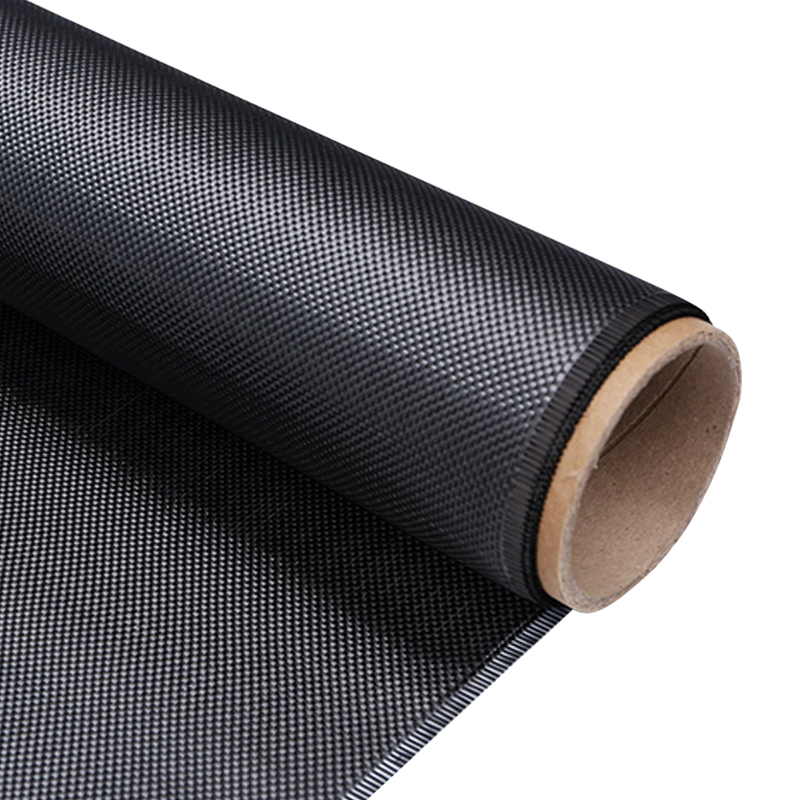
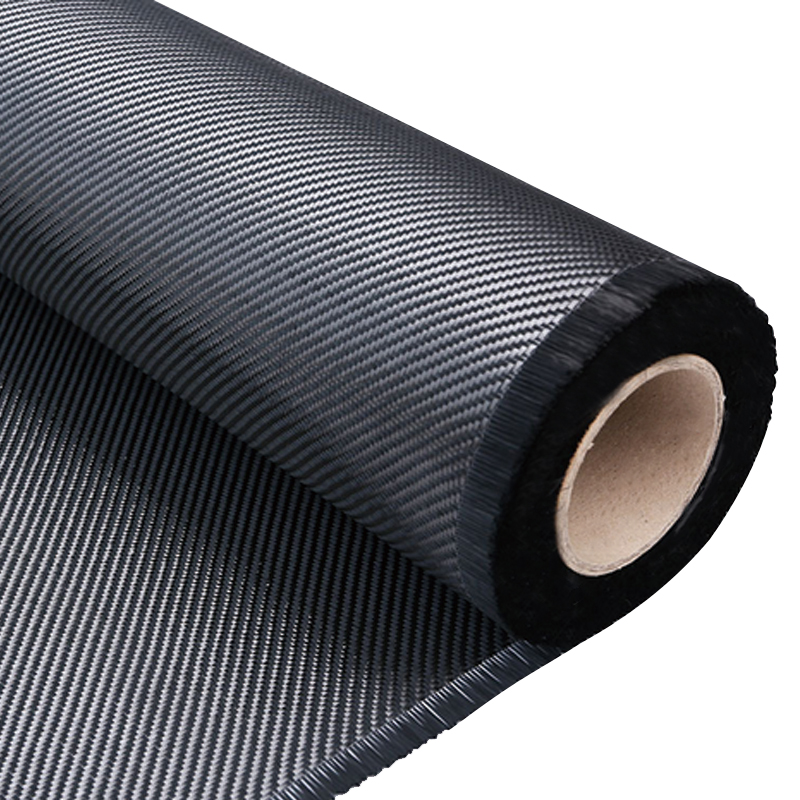
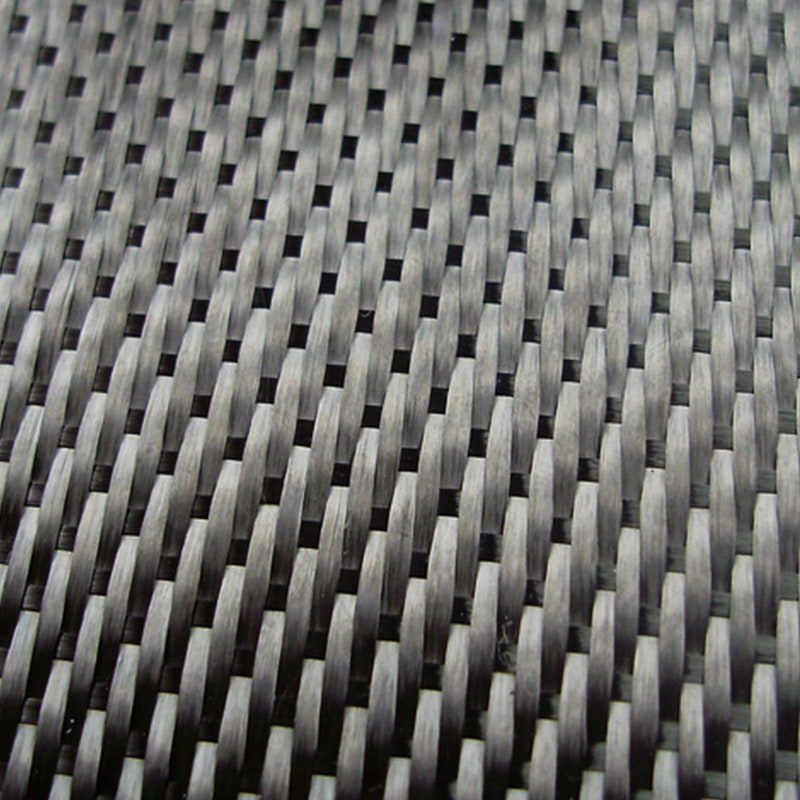
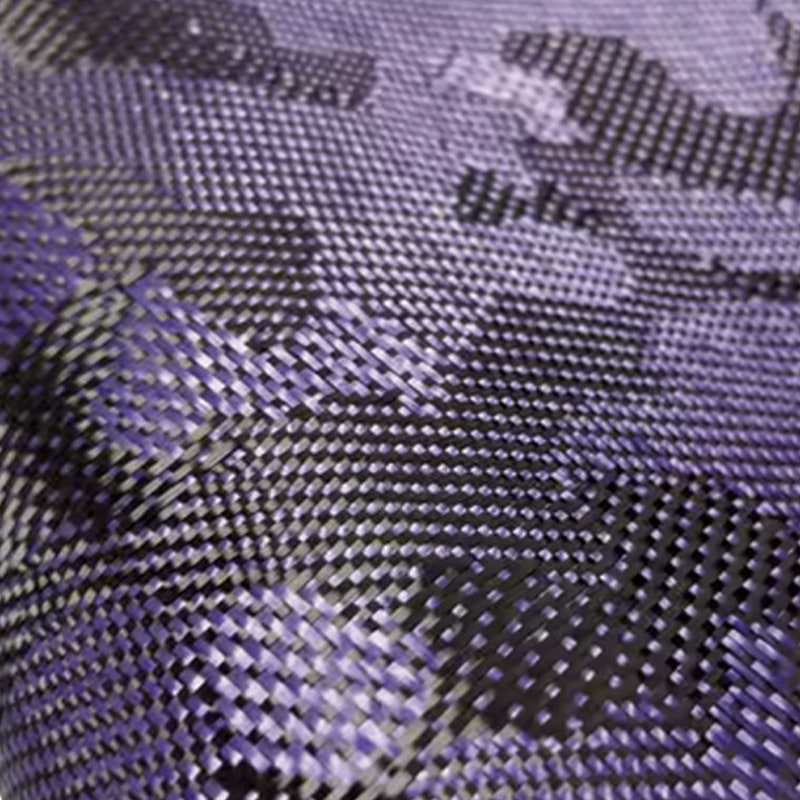
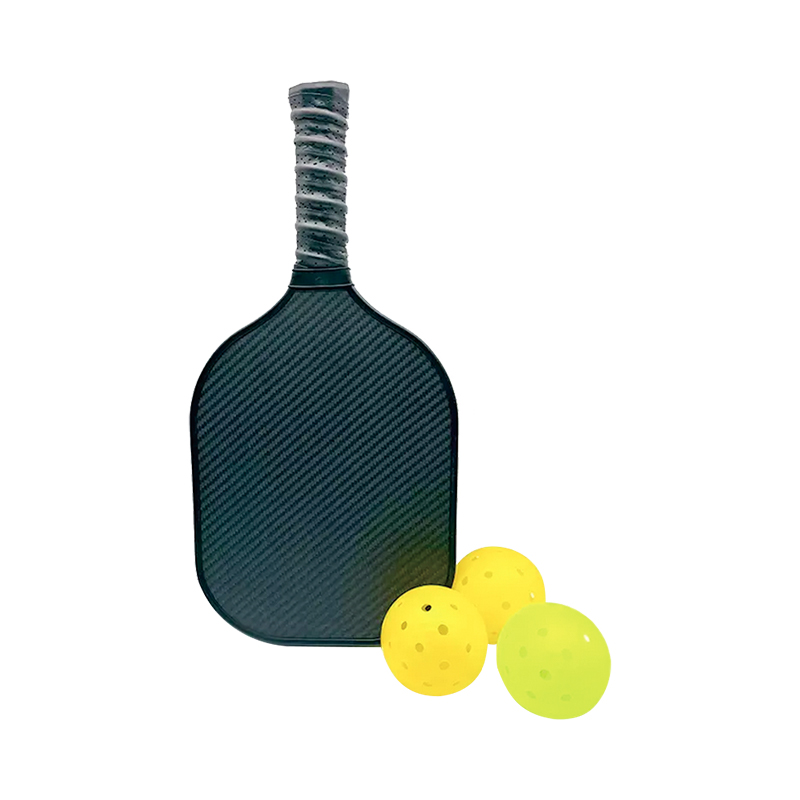
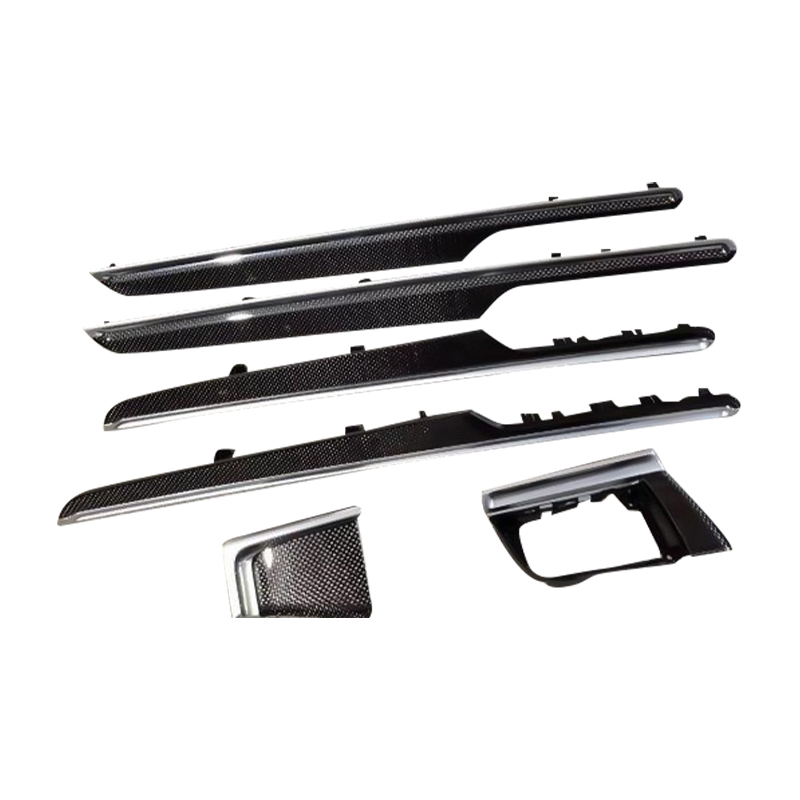
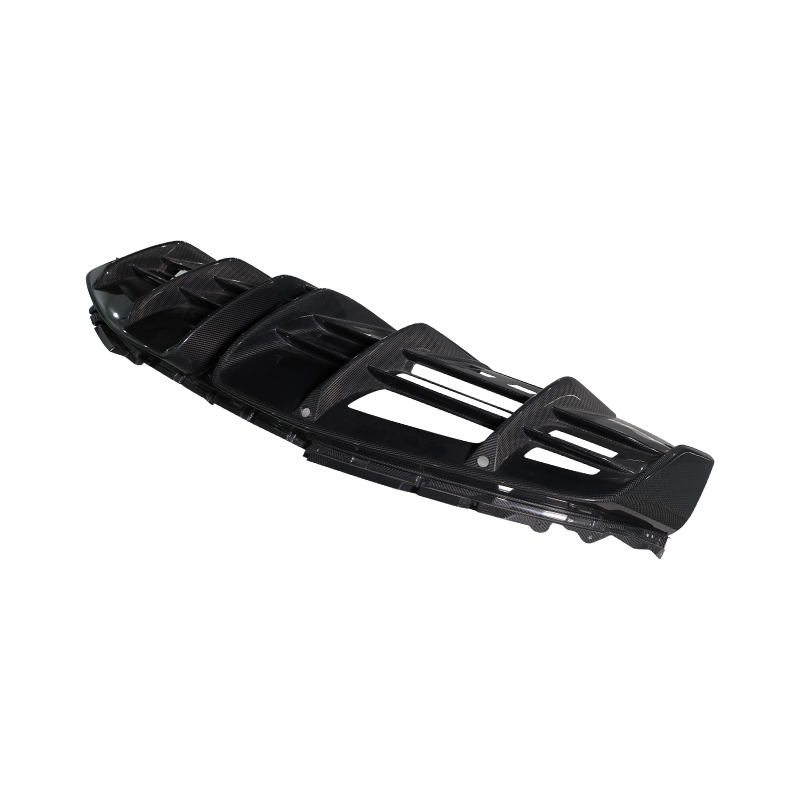
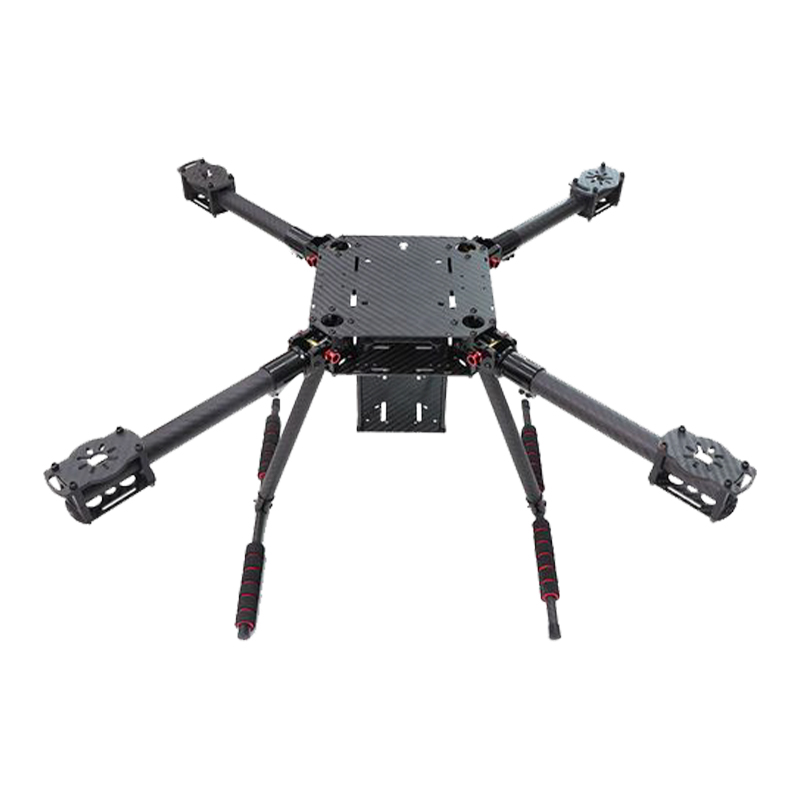
Plain Weave Carbon Fiber Fabric
Plain Weave Carbon Fiber Fabric features the simplest and most fundamental weave architecture, where each warp tow alternately passes over and under each weft tow in a 1x1 repeating pattern. This construction delivers maximum fabric stability, minimal stretch, and excellent dimensional accuracy during layup. The balanced crimp structure provides uniform mechanical properties in both warp and weft directions. Plain weave is available in tow sizes from 1k to 24k with areal weights ranging from 60 to 1200 g/m². The fabric's high stability makes it the preferred choice for tooling, flat panels, and applications where precise fiber alignment is critical.
Core Characteristics
Technical Specifications
Key Advantages
- Highest fabric stability among all weave patterns
- Minimal fiber distortion during resin infusion
- Predictable and consistent mechanical properties
- Excellent for vacuum bagging and compression molding
- Superior for tooling applications requiring precision
Primary Applications
Frequently Asked Questions
Choose plain weave when dimensional stability, flatness, and fiber alignment are critical—such as tooling, flat panels, and precision layups. Choose twill when drape and conformability to complex curves are the priority.
Yes. Plain weave has the highest crimp and lowest drape of any weave style. It works best on flat or single-curvature surfaces. For double-curvature molds, twill or satin weaves are recommended.
Plain weave typically has slightly lower tensile and flexural strength than twill or satin weaves due to higher crimp, but it offers superior stability and uniformity. The mechanical trade-off is approximately 5% – 10% lower, which is acceptable for many industrial and tooling applications.
Yes. Plain weave is well-suited for vacuum infusion. Its tight structure requires slightly lower permeability than twill, so use appropriate flow media and ensure adequate inlet pressure for complete wet-out.
With vacuum bagging, plain weave typically achieves 50% – 55% fiber volume. With compression molding or autoclave, 55% – 60% is achievable. The tight weave allows good compaction without excessive tow distortion.
 +86-13961668677
 No. 61, Xingyuan Road, Jiefang Village, Gushan Town, Jiangyin City, Jiangsu Province, China.