 Get In Touch
 English
  中文简体
中文简体 عربى
عربى Tiếng Việt
Content
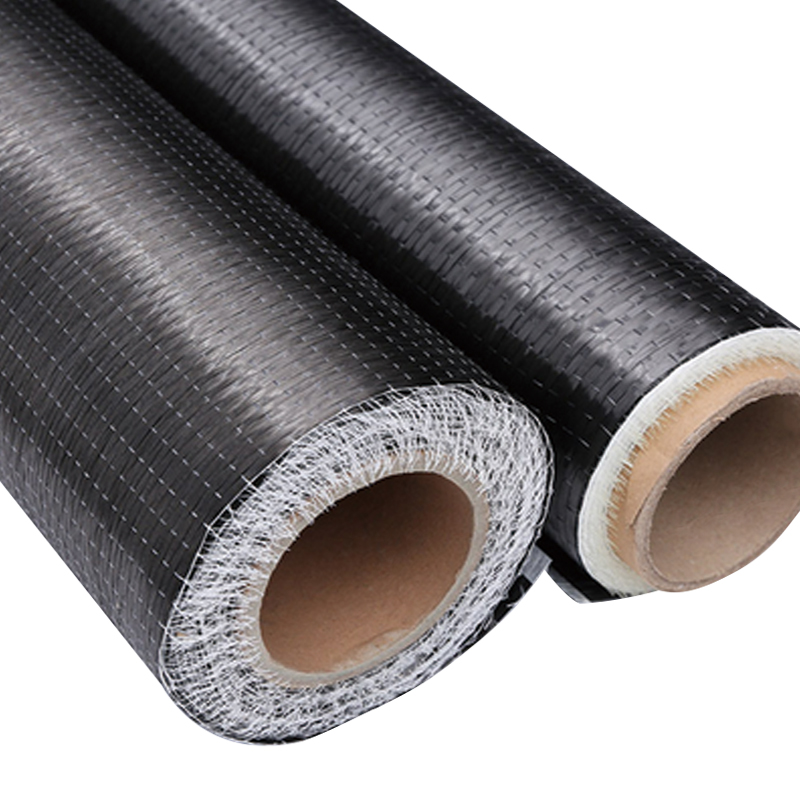
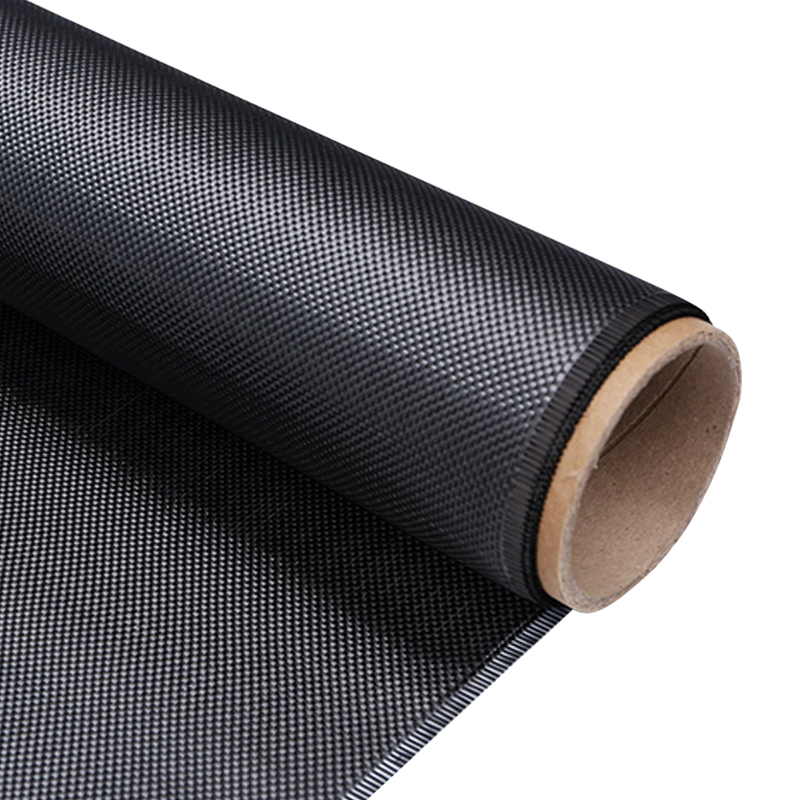
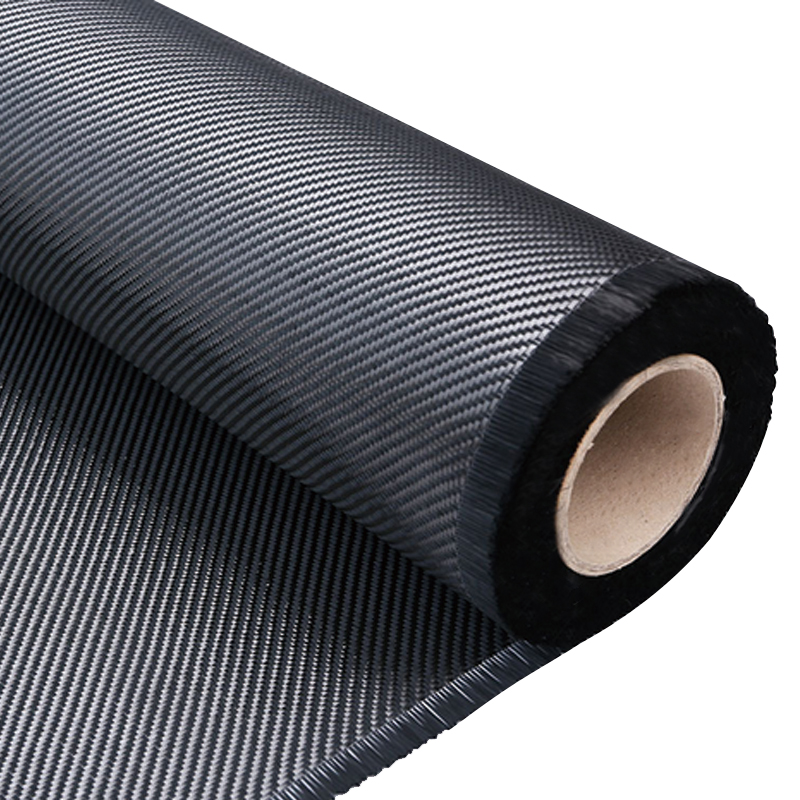
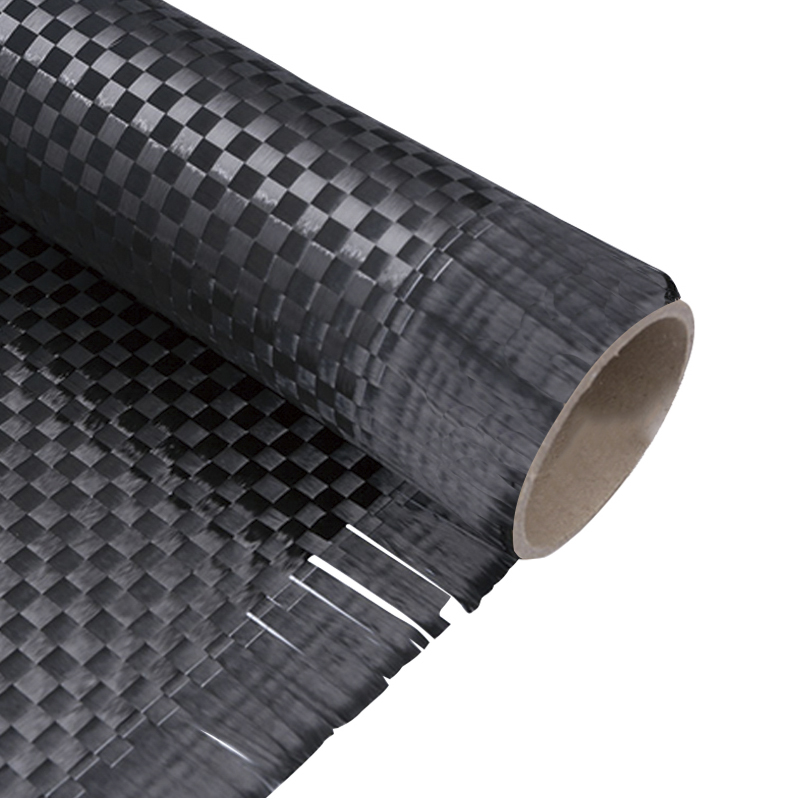
Aramid-carbon mixed fabric combines two of the highest-performing reinforcement fibers in engineering — the stiffness and low weight of carbon fiber with the toughness and impact resistance of aramid (Kevlar-type) fiber. The result is a hybrid composite reinforcement that outperforms either fiber alone in applications where both structural rigidity and damage tolerance are non-negotiable.
Which Fabric Resists Impact Best?
Among structural reinforcement textiles, aramid-carbon mixed fabric delivers the highest impact resistance of any woven hybrid — exceeding pure carbon fiber laminates by 40–60% in Charpy impact tests at equivalent areal weights. This performance advantage comes directly from aramid fiber's exceptional energy absorption mechanism.
Aramid fibers (para-aramid, trade names Kevlar and Twaron) resist fracture through a combination of high tensile elongation at break (3.5–4%) and a fibrillar microstructure that progressively defibrillates under load. Rather than shattering as carbon fiber does, aramid fibers draw energy across a large deformation zone, preventing crack propagation into the laminate core.
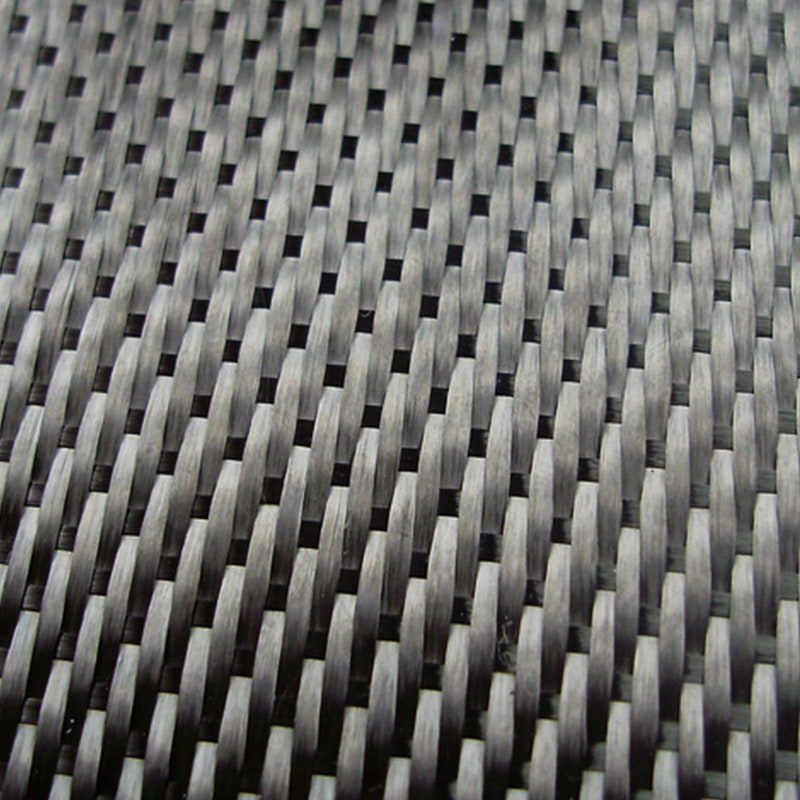
In a hybrid weave, aramid tows positioned in the weft direction intercept transverse cracks initiated by carbon fiber failure in the warp. This interlayer crack-bridging effect is why hybrid laminates survive repeated low-velocity impacts — tool drops, ballistic fragments, road debris — that would delaminate an equivalent pure-carbon panel.
- Impact energy absorbed Up to 85 J/m at 3mm laminate thickness in 50/50 aramid-carbon hybrid vs. 52 J/m for equivalent pure carbon
- Post-impact compression strength Hybrid retains 78% of undamaged value after 25 J impact; pure carbon retains 51%
- Delamination area 30–45% smaller in hybrid laminates under identical drop-weight test conditions
- Fatigue life Hybrid composites exceed 10 million cycles under cyclic bending loads where pure carbon fails at 6–7 million
Carbon Fiber vs. Aramid Fabric: Property-by-Property Comparison
Pure carbon fiber fabric and pure aramid fabric each have well-documented strengths and weaknesses. Aramid-carbon mixed fabric was engineered specifically to capture the advantages of both while mitigating the critical weakness of each — carbon's brittleness and aramid's compressive weakness.
| Property | Pure Carbon Fiber Fabric | Pure Aramid Fabric | Aramid-Carbon Hybrid |
| Tensile Strength | 3,500–6,000 MPa | 2,800–3,600 MPa | 3,200–5,200 MPa |
| Tensile Modulus | 230–640 GPa | 70–125 GPa | 150–380 GPa |
| Impact Resistance | Low — brittle fracture | Excellent | Very High |
| Compressive Strength | Excellent | Poor (kinks under compression) | Good — carbon carries compression |
| Areal Weight (typical) | 100–400 g/m2 | 120–450 g/m2 | 120–400 g/m2 |
| Machinability | Moderate — abrasive dust | Difficult — fibers deflect tools | Moderate with carbide tooling |
| Cost per m2 (relative) | High | Medium–High | High (premium over mono-fiber) |
Engineering Insight
The hybrid ratio matters. A 50/50 carbon-aramid weave maximizes damage tolerance. A 70/30 carbon-dominant weave maximizes stiffness while retaining meaningful impact resistance. The choice should be driven by the primary load case — not aesthetics.
How Lightweight Is Aramid-Carbon Hybrid Fabric Really?
Aramid-carbon mixed fabric achieves a density of 1.35–1.45 g/cm3 in cured laminate form — approximately 5 times lighter than structural steel (7.85 g/cm3) and 1.8 times lighter than aluminium alloy (2.7 g/cm3), while matching or exceeding both in specific tensile strength.
The weight premium over pure carbon is a deliberate engineering trade-off. Aramid fiber density (1.44 g/cm3) is marginally higher than standard-modulus carbon fiber (1.76 g/cm3) — meaning hybrid fabrics are actually slightly lighter per unit volume than pure carbon in many configurations, while the composite's specific energy absorption per gram is substantially higher.
Which Applications Require Aramid-Carbon Mixed Fabric?
Structural parts that combine primary load-bearing function with exposure to impact, vibration, or dynamic fatigue are the ideal application territory for aramid-carbon mixed fabric. Pure carbon is sufficient for static structures; hybrid fabric is specified when failure mode matters as much as stiffness.
FIA regulations for Formula-class racing mandate hybrid aramid-carbon construction in survival cell panels. The carbon provides the structural rigidity to resist deformation; the aramid layers absorb crash energy without generating the sharp fragmentation that pure carbon panels produce at high energy impacts.
Aircraft floor panels, overhead bin structures, and cargo liner panels use hybrid fabric where FAA fire, smoke, and toxicity (FST) compliance intersects with impact resistance from passenger loading and ground equipment contact. Aramid fiber contributes inherent flame resistance, reducing resin flame-retardant additive load.
Racing yacht hulls and high-speed patrol boat hull panels specify hybrid fabric for topside areas exposed to wave slam and debris impact. The 40–60% improvement in impact energy absorption directly reduces the incidence of delamination and through-hull damage in service.
Unmanned aerial vehicle fuselages and wing spars use hybrid fabric where crash survivability of the payload is a design requirement. A 120–200 g/m2 hybrid weave allows fuselage skins under 400 grams while the aramid tows protect avionics bays from ground-contact damage during hard landings.
Filament-wound pressure vessels for compressed natural gas (CNG) and hydrogen storage use hybrid winding patterns where aramid provides hoop-direction burst containment and carbon provides axial stiffness. This combination meets UN GTR No. 13 type IV vessel requirements at lower wall thickness than mono-fiber designs.
Frequently Asked Questions
Can aramid-carbon hybrid fabric be used in wet lay-up processes?
Yes. Hybrid fabrics are compatible with standard wet lay-up, vacuum infusion (VARTM), and prepreg processes. Aramid fibers are slightly hydrophilic and must be stored dry and processed promptly once cut. For infusion, a low-viscosity epoxy below 500 mPas at 25 degrees C is recommended to achieve full wet-out through the mixed fiber architecture without dry spots at carbon-aramid tow interfaces.
How do I cut aramid-carbon mixed fabric without fraying?
Use ceramic scissors (Kevlar shears) or an oscillating blade cutting system. Standard steel scissors blunt rapidly against aramid fibers and produce frayed edges that contaminate the laminate. For CNC cutting, a multi-tooth carbide router bit at high speed with a vacuum holddown prevents fiber pull-out. Always cut on a sacrificial backing board and seal cut edges with diluted resin immediately.
What resin systems are compatible with hybrid aramid-carbon fabric?
Epoxy resins are the standard choice and provide the best fiber-to-matrix adhesion for both fiber types. Vinyl ester resins are used in marine applications for their hydrolytic stability. Phenolic resins are specified for aerospace FST-compliant applications. Polyester resins are not recommended — their shrinkage during cure induces micro-cracking at the aramid-carbon tow interface, reducing interlaminar shear strength by 15–25%.
Is aramid-carbon mixed fabric suitable for autoclave processing?
Yes, and autoclave processing (typically 120–180 degrees C at 6–7 bar) produces the highest quality hybrid laminates with void content below 1% and maximum fiber volume fraction (55–65%). Prepreg versions of hybrid fabric simplify autoclave processing and are the standard in aerospace structural applications. Out-of-autoclave (OOA) prepreg variants are also available for large parts where autoclave size is a constraint.
 +86-13961668677
 No. 61, Xingyuan Road, Jiefang Village, Gushan Town, Jiangyin City, Jiangsu Province, China.