 Get In Touch
 English
  中文简体
中文简体 عربى
عربى Tiếng Việt
Content
- 1 What Is Carbon Fiber Fabric Roll Used For?
- 2 Can Carbon Fiber Fabric Roll Be Used for Reinforcement?
- 3 Is Carbon Fiber Fabric Roll Strong Enough for Structural Repair?
- 4 How to Apply Carbon Fiber Fabric Roll for Concrete Strengthening
- 5 Carbon Fiber Fabric Roll Bonding Strength and Durability
- 6 Carbon Fiber Fabric Roll vs Carbon Fiber Sheet for Repair
Structural engineers retrofitting aging concrete, steel, or masonry have a narrow set of materials that can add real load-bearing capacity without adding bulk. Carbon Fiber Fabric Roll sits at the top of that list, delivering tensile strength many times greater than steel at a fraction of the weight and thickness, which is why it has become a standard tool in modern structural strengthening projects.
What Is Carbon Fiber Fabric Roll Used For?
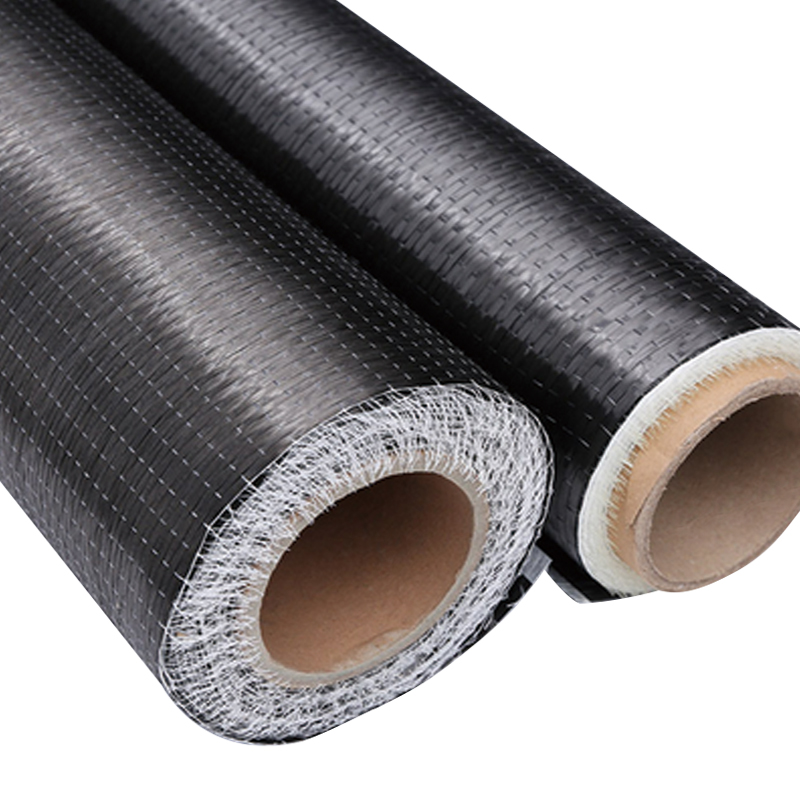
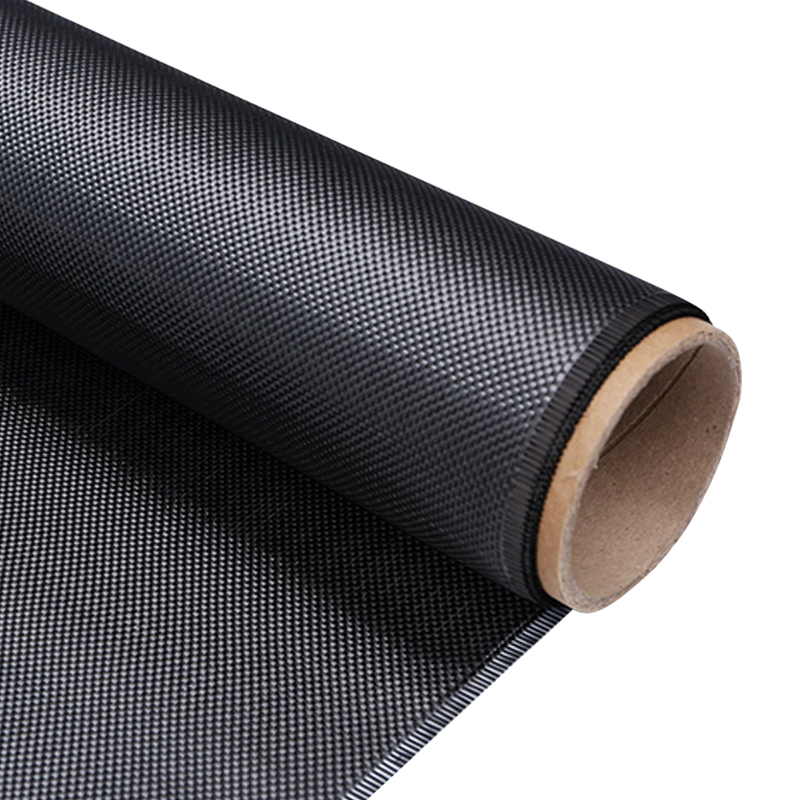
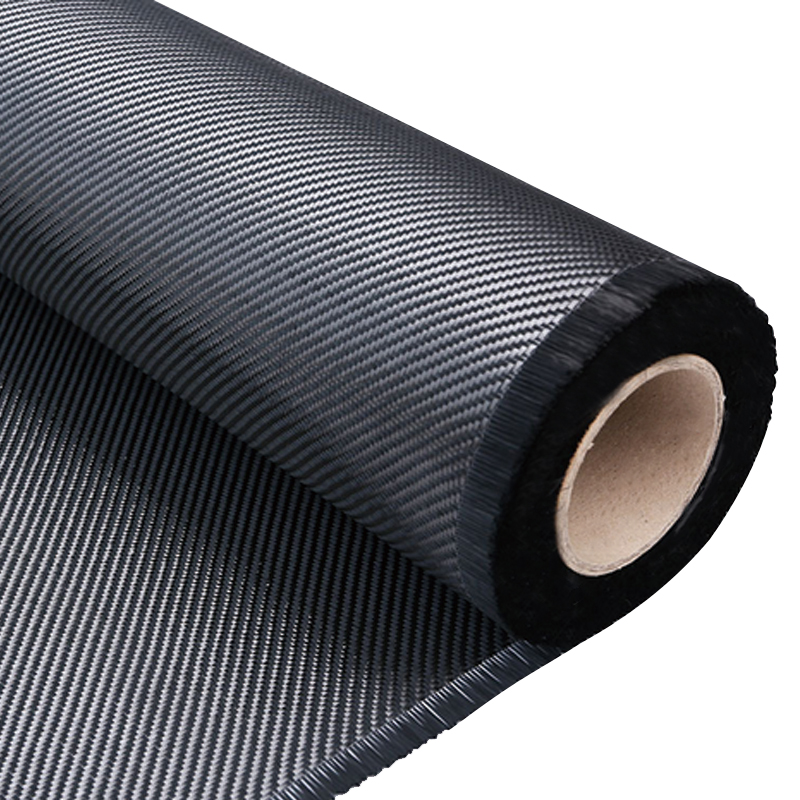
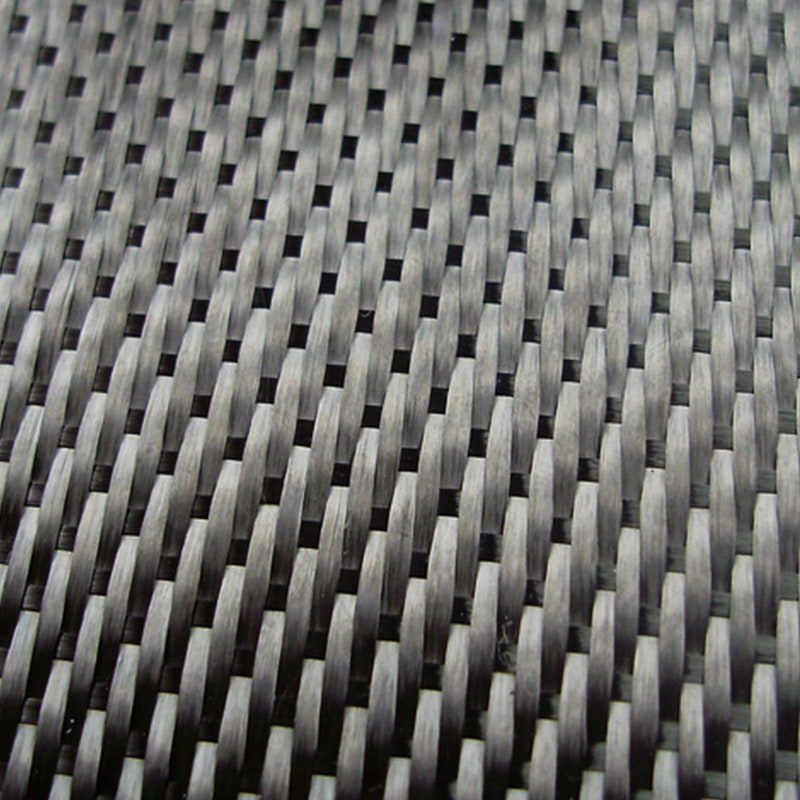
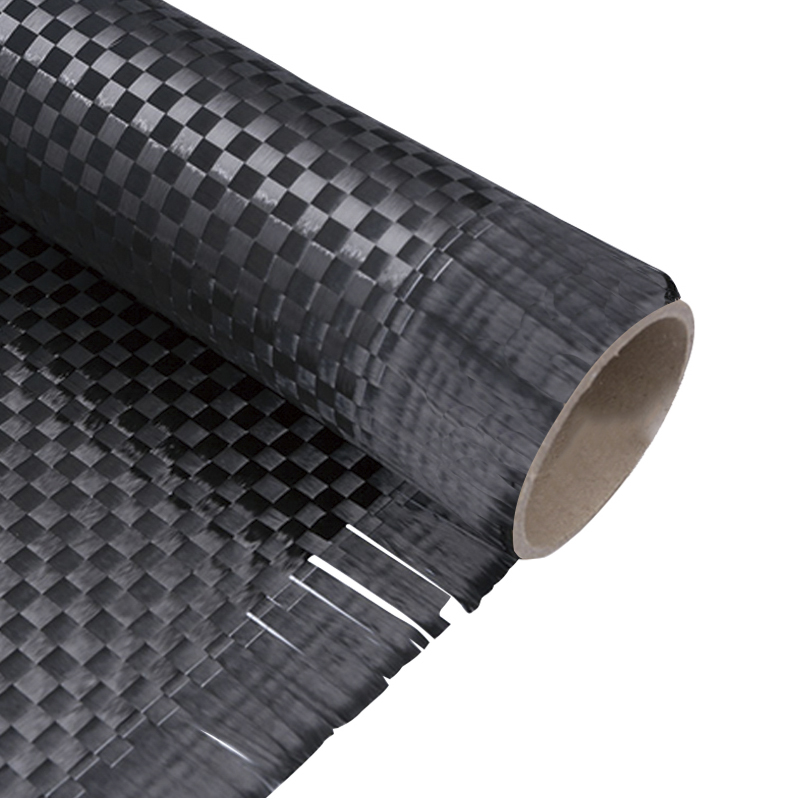
Carbon fiber fabric roll is a woven sheet of continuous carbon filaments supplied in roll form, designed to be cut to size and bonded directly onto a structural surface using an epoxy resin system. Once cured, the fabric and resin form a rigid composite layer that works together with the original structure to resist tension, shear, and bending forces.
Common applications include strengthening concrete beams and columns, wrapping pipes and chimneys, reinforcing masonry walls against seismic loads, repairing cracked slabs, and restoring load capacity to structures that have been damaged, corroded, or upgraded to meet new design codes.
Can Carbon Fiber Fabric Roll Be Used for Reinforcement?
Yes, carbon fiber fabric roll is one of the most widely specified materials for external reinforcement of existing structures. Because it is applied externally rather than cast into the structure, it allows reinforcement to be added without demolition, extended downtime, or major disruption to the building's use.
- Increases flexural capacity of beams and slabs by adding tensile reinforcement at the tension face
- Improves shear capacity when wrapped around columns or beam webs
- Confines columns to increase axial load capacity and ductility under seismic loading
- Restores section capacity lost to corrosion, impact damage, or design changes
Is Carbon Fiber Fabric Roll Strong Enough for Structural Repair?
Carbon fiber fabric roll is strong enough for structural repair because its load-carrying performance comes from the carbon fiber itself, which has a tensile strength far exceeding that of the concrete or steel it reinforces. The limiting factor in any installation is rarely the fabric, but rather the bond between the fabric and the substrate, which is why surface preparation and resin selection matter as much as the fabric specification.
How to Apply Carbon Fiber Fabric Roll for Concrete Strengthening
A typical concrete strengthening installation follows a consistent sequence regardless of project size.
Surface Preparation
Grind the concrete surface to remove laitance, sharp edges, and surface contamination until the aggregate profile is exposed and the surface is sound.
Primer Application
Apply a low-viscosity epoxy primer to seal the concrete pores and create a uniform base for the bonding resin.
Resin and Fabric Lamination
Apply the saturating resin, lay the carbon fiber fabric roll into the wet resin, and use a roller to remove air voids and fully impregnate the fibers.
Curing and Topcoat
Allow the resin to cure under the manufacturer's recommended temperature range, then apply a protective topcoat for UV resistance or fire protection where required.
Carbon Fiber Fabric Roll Bonding Strength and Durability
The bonding strength between carbon fiber fabric roll and a properly prepared concrete substrate typically exceeds the tensile strength of the concrete itself, meaning failure under extreme load tends to occur in the concrete substrate rather than at the bond line. This is the benchmark engineers look for when evaluating an installation, since it confirms the composite system is performing as a fully integrated unit.
Carbon Fiber Fabric Roll vs Carbon Fiber Sheet for Repair
Both formats use the same fiber technology, but the choice between roll and pre-cured sheet affects how a repair is executed on site.
Carbon Fiber Sheet
- Pre-cured rigid strips, fixed dimensions
- Faster installation for simple flat surfaces
- Limited ability to wrap curved or irregular shapes
- Bonded with adhesive rather than saturating resin
Carbon Fiber Fabric Roll
- Flexible woven fabric, cut to any size or shape on site
- Conforms to columns, pipes, and irregular geometries
- Allows multiple layers for higher capacity in one location
- Wet lay-up process bonds directly into the substrate profile
For projects involving columns, curved surfaces, or variable strengthening requirements across a structure, Carbon Fiber Fabric Roll offers the flexibility to adapt the reinforcement layout to the structure rather than the other way around, making it the preferred choice for the majority of strengthening and repair applications.
 +86-13961668677
 No. 61, Xingyuan Road, Jiefang Village, Gushan Town, Jiangyin City, Jiangsu Province, China.