 Get In Touch
 English
  中文简体
中文简体 عربى
عربى Tiếng Việt
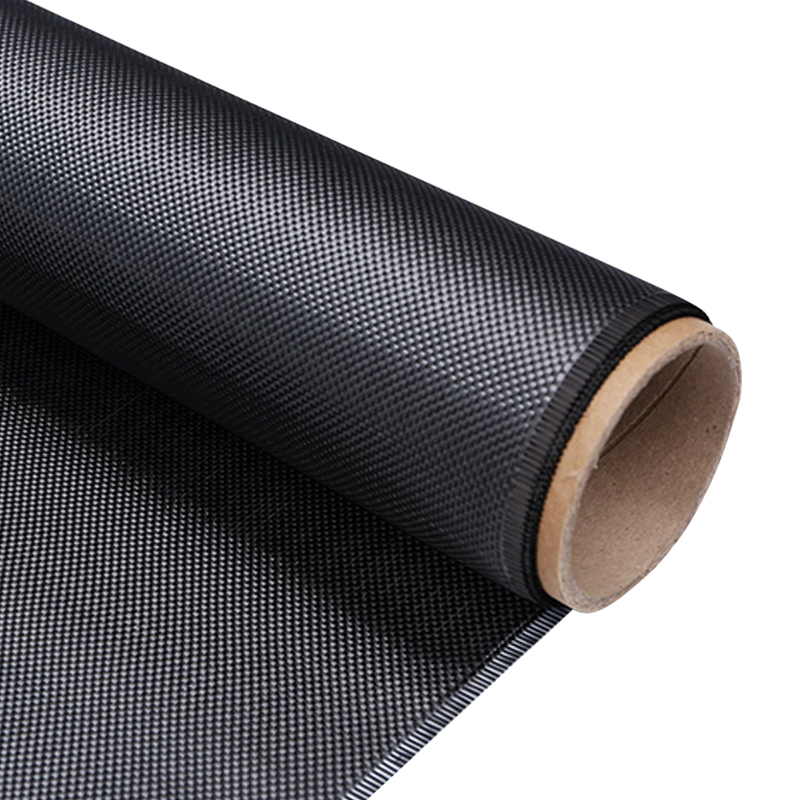
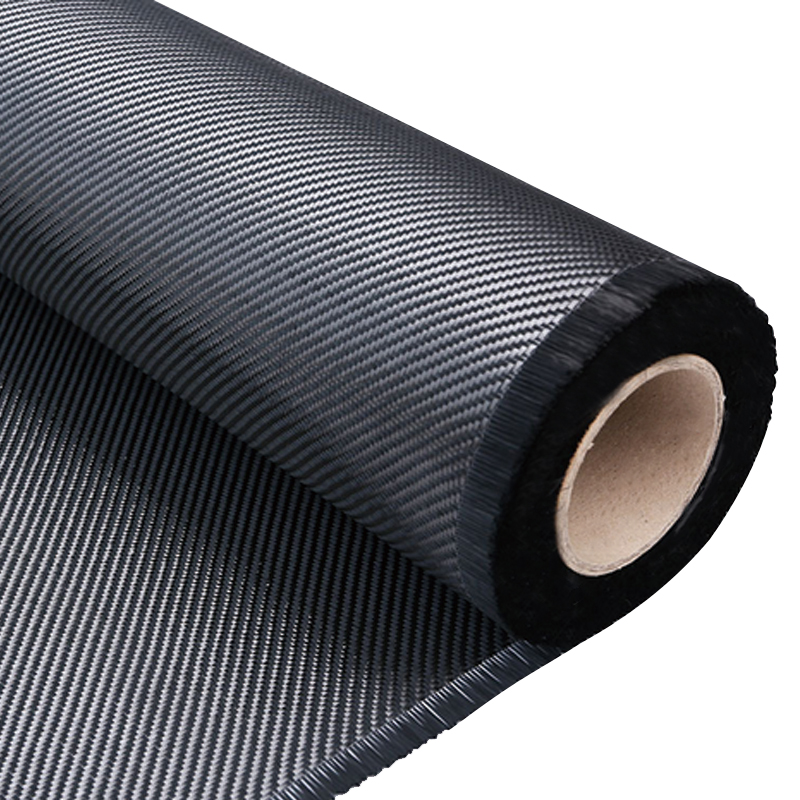
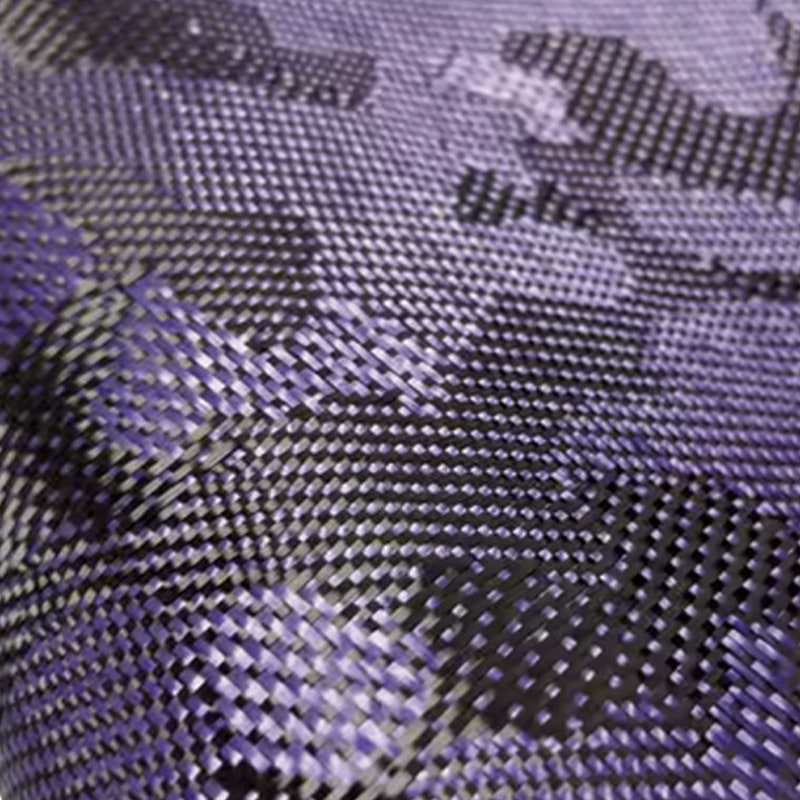
Plain Weave Carbon Fiber Fabric
The most dimensionally stable weave architecture in carbon reinforcement. Each warp tow alternates over and under each weft tow in a 1x1 sequence, locking fibers into a tight grid that resists distortion during cutting, handling, and layup. This construction is specified wherever fiber alignment accuracy governs the outcome.
How the 1x1 Interlace Locks Fibers
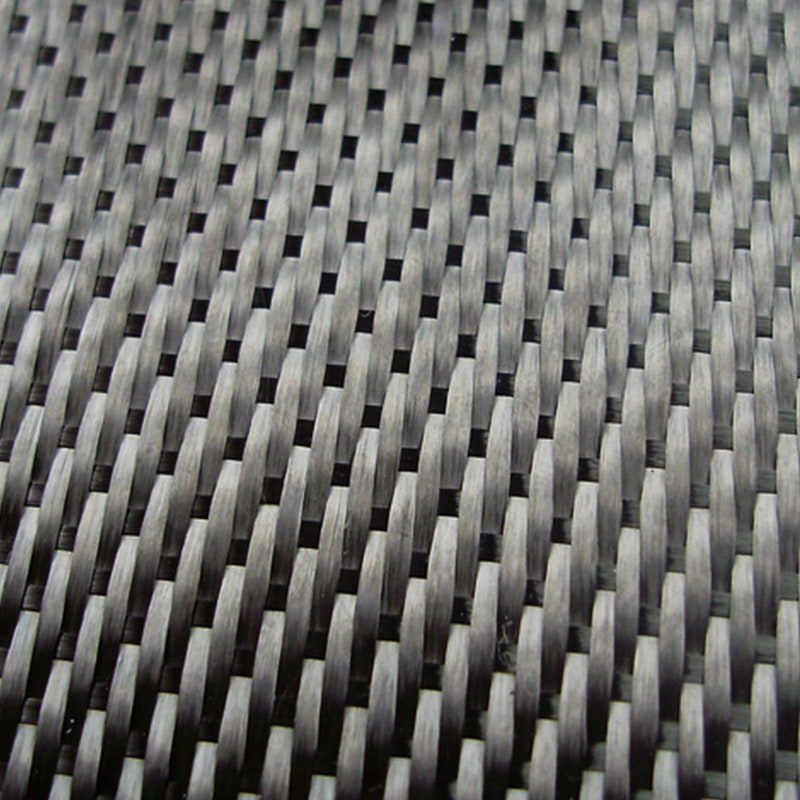
Every warp tow passes over one weft tow, then under the next, repeating across the full width. The result is the highest crossover density of any standard weave. More crossover points per unit area means more mechanical locks holding each tow in position, which is the source of plain weave's dimensional stability.
The trade-off is drape. Tight interlace restricts how freely tows can shear, so the cloth resists conforming to double curvature. Plain weave is chosen where geometry is flat or single-curvature and where fiber direction must stay accurate through the whole layup.
Where Plain Weave Outperforms
Specification
Sector Fit
Process Fit
Technical Questions
The 1x1 interlace produces the highest crossover density of any weave. Tows cannot shift easily, so fiber orientation stays accurate through cutting, placement, and compaction. For mold and mandrel production, this translates into consistent ply geometry and predictable cured thickness.
Plain weave has the lowest drape of the standard weaves because tight interlace restricts shear movement. It works best on flat surfaces and single curvature. For compound curvature, twill or satin weave allows the cloth to shear and conform without bridging.
Plain weave carries more crimp than twill or satin, which introduces slight waviness into the load path. Tensile and flexural values may read 5% to 10% lower than twill at equivalent areal weight. For tooling, flat panels, and repair work this difference is generally acceptable given the gain in dimensional stability.
Yes. Permeability is lower than twill because the weave is tighter, so flow media selection and inlet placement matter more. Use resin viscosity in the 80 to 250 cP range and allow slightly longer fill times on large panels.
Vacuum bagging typically reaches 50% to 55%. Compression molding or autoclave processing reaches 55% to 60%. The tight weave compacts predictably without excessive tow distortion, which helps hold consistent thickness across the part.
Each roll ships with a Certificate of Conformance recording batch number, measured areal weight, weave verification, and sizing content. Full data sheets are available for engineering review and incoming inspection records.
 +86-13961668677
 No. 61, Xingyuan Road, Jiefang Village, Gushan Town, Jiangyin City, Jiangsu Province, China.