 Get In Touch
 English
 中文简体
 عربى
 Tiếng Việt

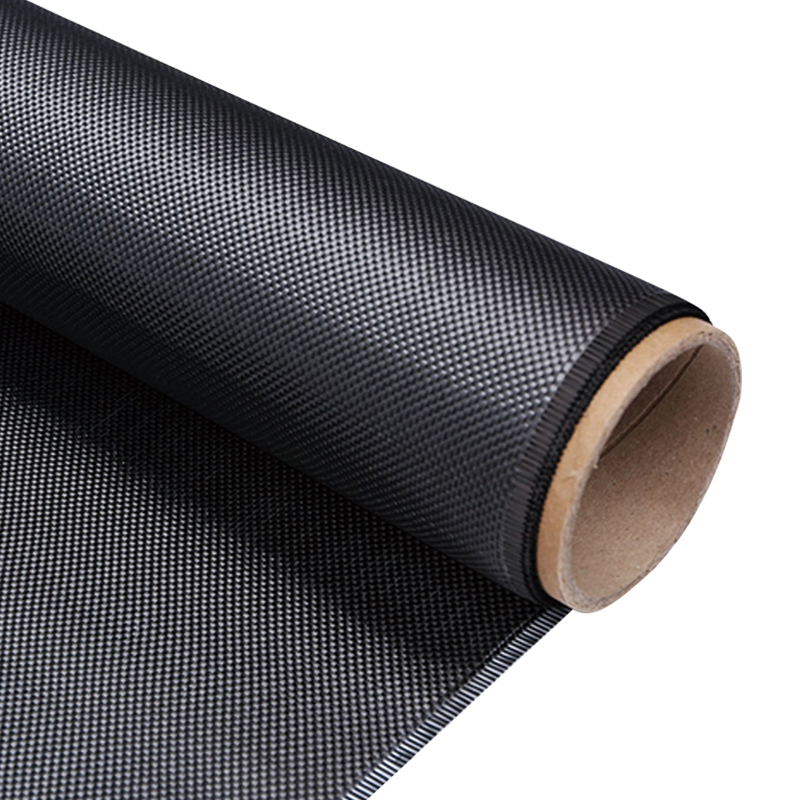
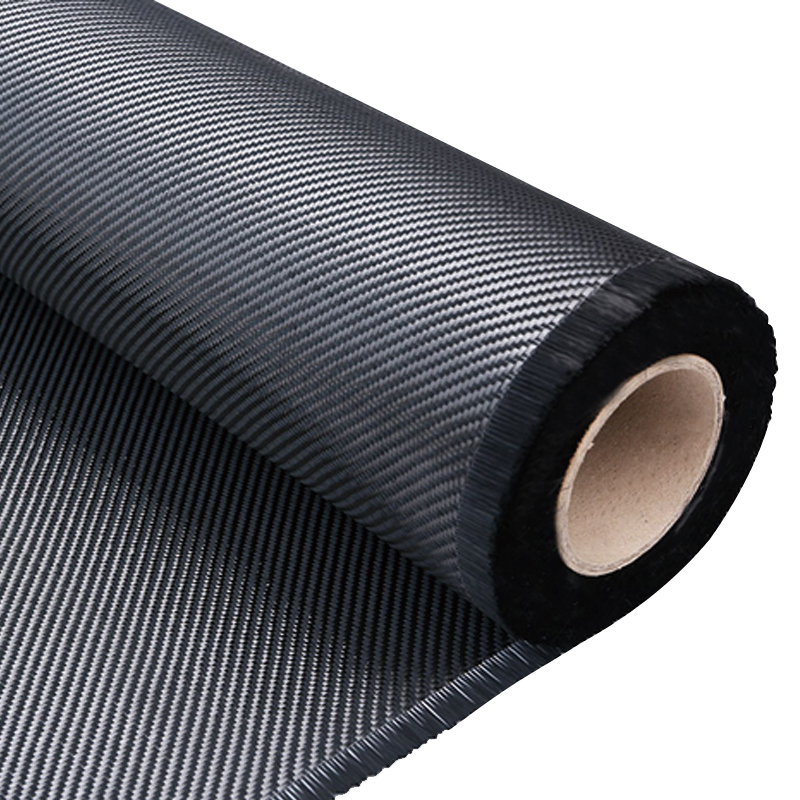
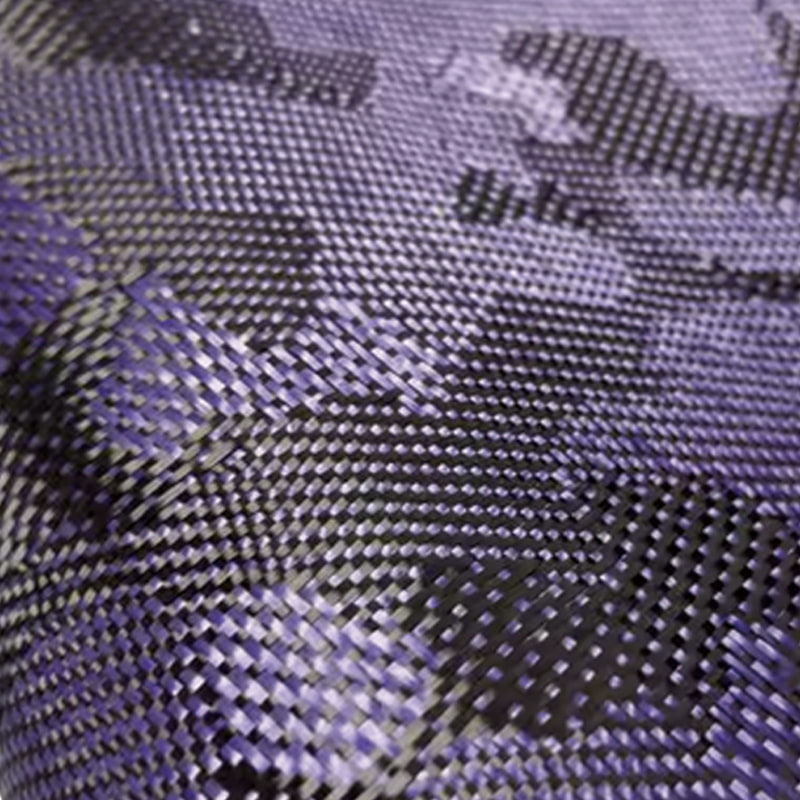
Plain Weave Carbon Kevlar Fabric
Plain Weave Carbon Kevlar Fabric is a hybrid reinforcement textile woven from carbon fiber and Kevlar aramid yarns in a balanced over-and-under pattern. The two fiber materials serve different functions within a composite structure: carbon fiber contributes stiffness and tensile reinforcement, while Kevlar aramid provides toughness and impact energy absorption characteristics.
The plain weave structure creates a regular grid-like surface with frequent interlacing points. This construction helps maintain a stable yarn arrangement during cutting and handling, making it suitable for composite applications where consistent fabric placement is required. The final material properties depend on fiber proportion, yarn specifications, weave density, resin compatibility, and laminate design.
A textile solution for composite designs that combine stiffness-oriented and toughness-oriented reinforcement requirements.
Understanding the Plain Weave Construction
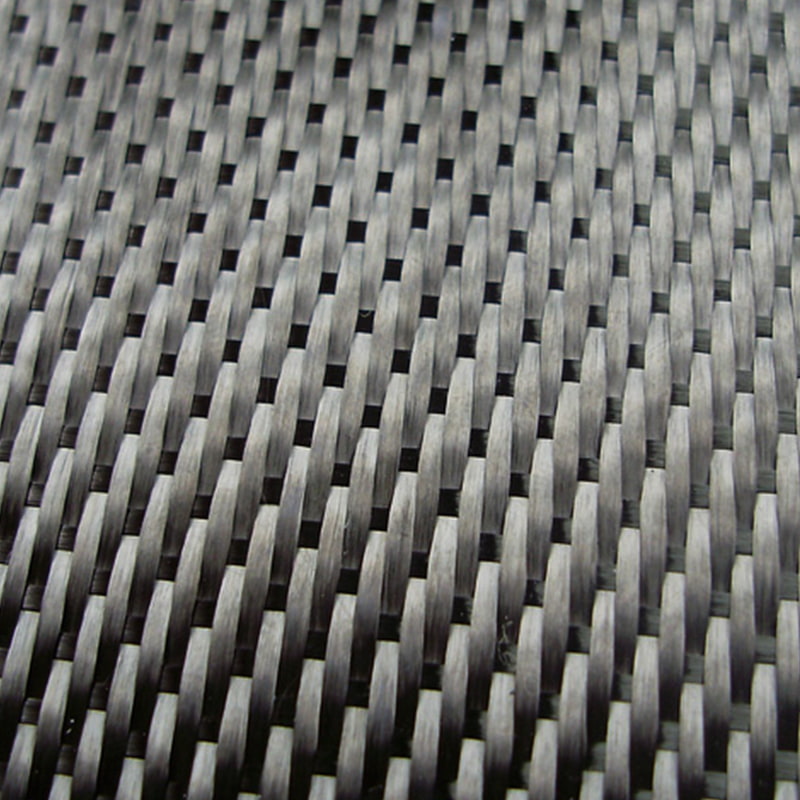
In plain weave, each weft yarn passes alternately over and under successive warp yarns. The repeated interlacing produces a compact, regular fabric structure. Carbon and aramid yarns can be assigned to the warp and weft directions according to the specified hybrid construction.
The diagram illustrates a simplified alternating arrangement. Actual warp and weft allocation, yarn count, and interlacing sequence must follow the product specification.
Frequent Interlacing
Each yarn repeatedly crosses the yarns in the opposite direction, creating a closely interlaced textile structure.
Regular Surface Geometry
The alternating pattern forms a consistent grid-like appearance that can support repeatable fabric positioning.
Yarn Position Stability
The frequent interlacing helps limit yarn displacement during routine cutting, handling, and layup operations.
Crimp Consideration
The over-and-under path creates yarn crimp. Its effect on laminate properties should be evaluated when directional mechanical performance is critical.
Two Reinforcement Fibers with Different Functions
The hybrid fabric uses the characteristics of carbon fiber and Kevlar aramid within one textile. Their contribution is affected by how the yarns are distributed and oriented.
Carbon Fiber
Carbon fiber is incorporated where stiffness, tensile reinforcement, and dimensional stability are important to the composite design.
Kevlar Aramid
Kevlar aramid is incorporated where toughness, impact energy absorption, and resistance to certain forms of mechanical damage are relevant.
The presence of both fibers does not establish a guaranteed impact rating or strength value. Fiber ratio, weave construction, resin, ply orientation, and finished laminate testing determine whether the material meets a specific application requirement.
Warp and Weft Arrangement Options
The distribution of carbon and aramid yarns is a key part of hybrid fabric specification. Different arrangements change the reinforcement allocation across the two fabric directions.
Buyers should identify the required yarn type in each direction rather than relying only on the general description of carbon Kevlar fabric.
Carbon yarns run in the warp direction, while Kevlar yarns are used in the weft direction.
Kevlar yarns run in the warp direction, while carbon yarns are used in the weft direction.
Carbon and aramid yarns are distributed within the specified textile pattern in both directions.
Technical Properties to Evaluate
Raw fabric specifications and cured composite performance should be treated as separate sets of technical information.
Performance values should be supplied with the relevant specimen definition, test direction, conditioning, and testing standard. Fiber data should not be presented as finished laminate data.
Processing Considerations for Plain Weave Hybrid Fabric
Plain weave fabric can be incorporated into different composite manufacturing routes when its construction, resin compatibility, and handling characteristics match the process requirements.
Dry Fabric Processing
For dry hybrid fabric, resin is introduced during the subsequent layup and molding operation. The selected process should provide suitable wet-out and consolidation without excessive fiber movement.
- Wet layup with compatible resin
- Vacuum-assisted resin infusion, subject to permeability and process validation
- Other qualified resin impregnation and molding methods
Prepreg Processing
If supplied as prepreg, the reinforcement already contains a controlled resin system. Storage, out-time, handling, and cure requirements must follow the prepreg manufacturer's technical instructions.
- Confirm resin system and resin content
- Check storage temperature and shelf life
- Follow specified consolidation and curing conditions
Kevlar aramid yarns and carbon yarns may respond differently during cutting, handling, machining, and finishing. Trial processing is recommended before establishing production parameters for a new laminate design.
Where Plain Weave Carbon Kevlar Fabric Is Considered
Application suitability depends on the required mechanical properties, environmental conditions, component geometry, and validation criteria.
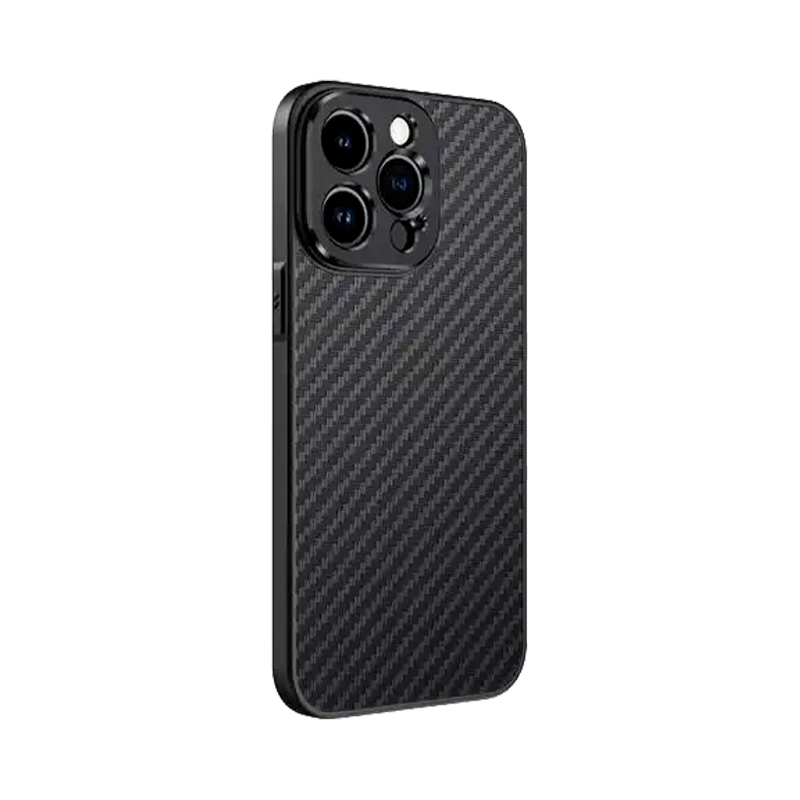
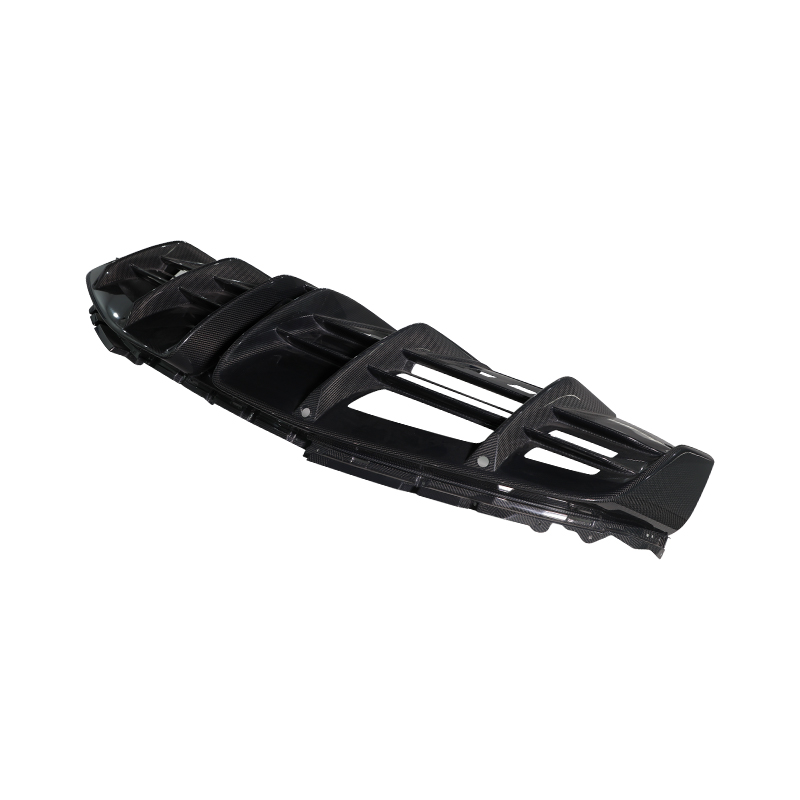
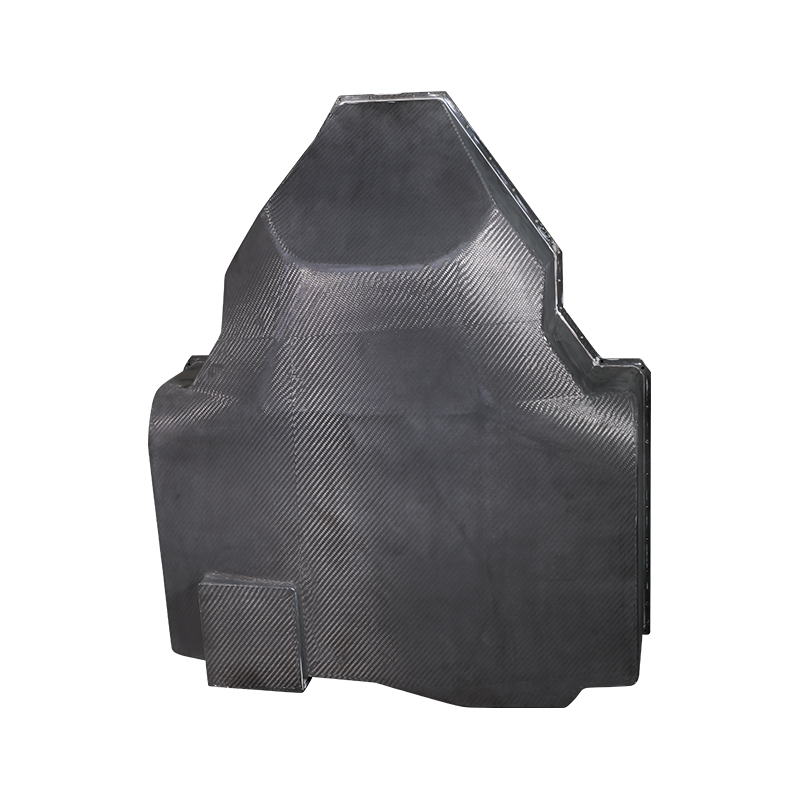
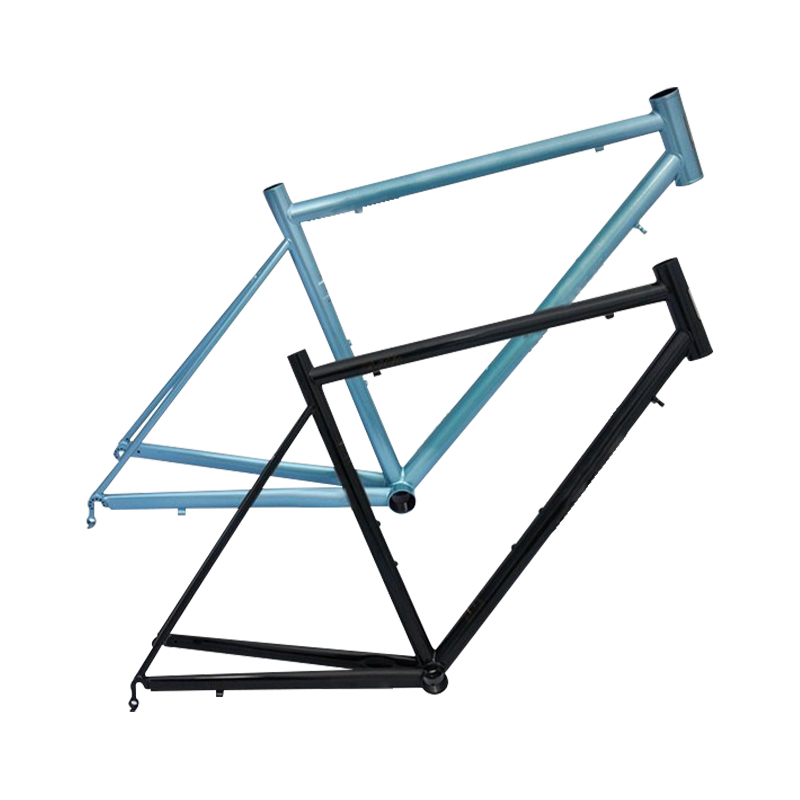
Composite panels, selected body components, protective structures, and lightweight parts requiring a defined balance of stiffness and toughness.
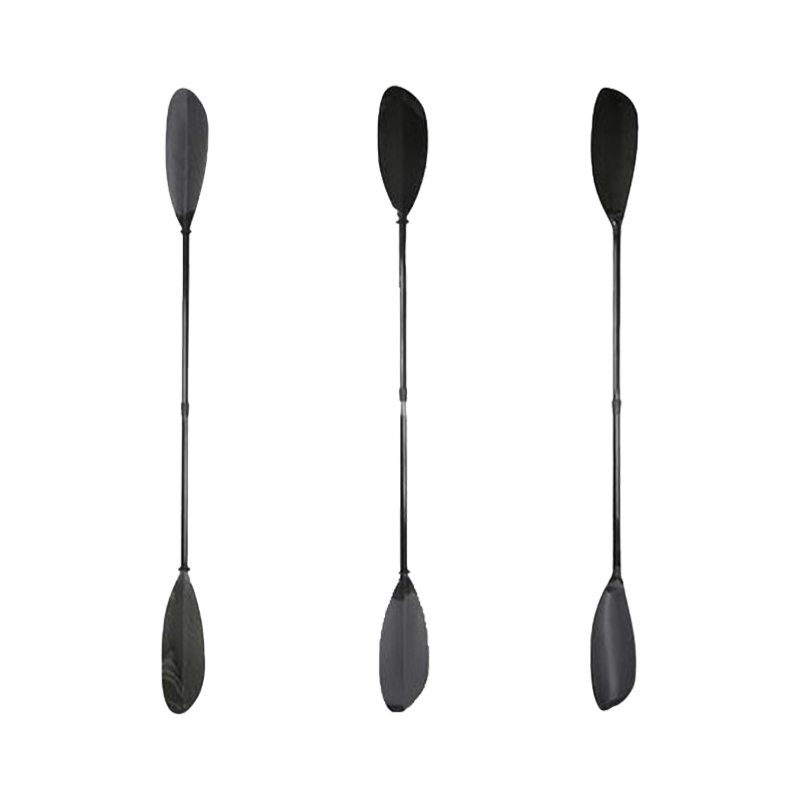
Selected hull-related components, covers, equipment housings, and composite panels designed for marine service conditions.
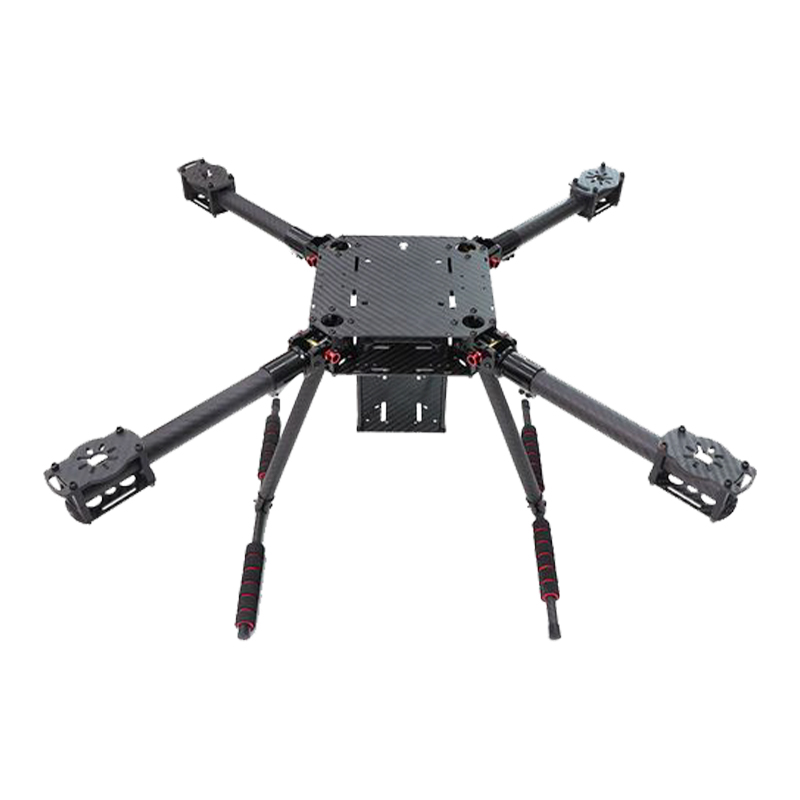
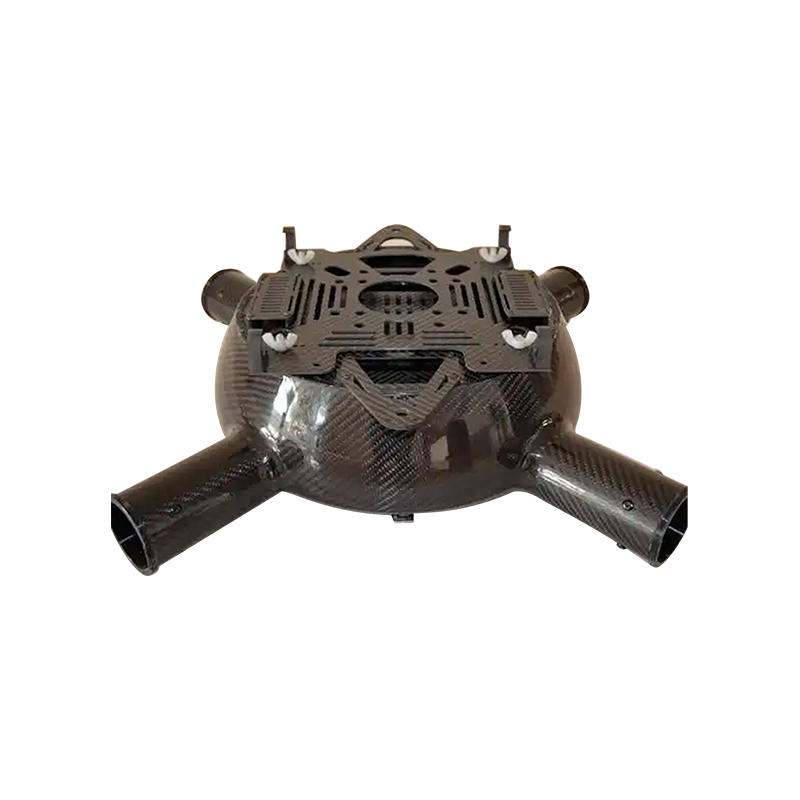
Specialized equipment and composite parts where lightweight construction and impact-related design considerations are relevant.
Selected protective composite components requiring application-specific impact testing and structural verification.
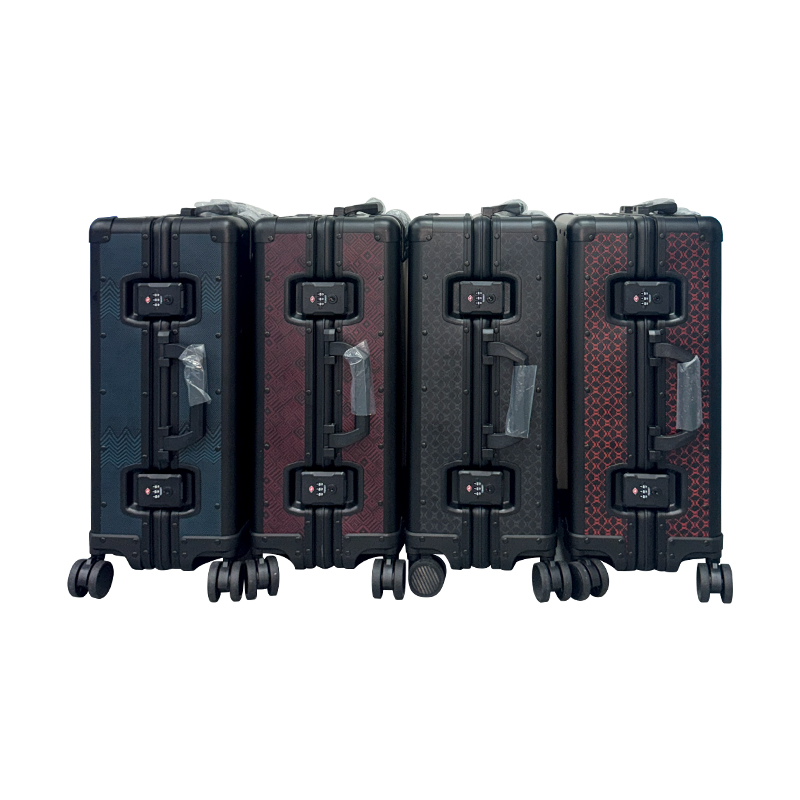
Custom composite covers, machine housings, and lightweight panels designed around defined operating loads.
Inspection Points for Hybrid Woven Fabric
Inspection should cover both textile consistency and the material information needed for downstream composite production.
Incoming Fabric Inspection
- Verify carbon and aramid yarn identification.
- Check warp and weft arrangement against the agreed specification.
- Inspect plain weave regularity and visible yarn distortion.
- Measure fabric width and areal weight where specified.
- Check for broken yarns, contamination, and handling damage.
- Confirm roll labels and batch traceability.
Composite Qualification
- Assess resin impregnation and fiber wet-out.
- Check laminate thickness and fiber distribution.
- Evaluate voids, delamination, and surface defects.
- Test tensile properties in specified directions.
- Conduct impact testing when required by the application.
- Compare results with project acceptance criteria.
Define the Fabric Before Requesting a Quotation
A complete inquiry helps suppliers assess the required textile construction and determine whether the material can be produced to the intended composite process.
Frequently Asked Questions
What is Plain Weave Carbon Kevlar Fabric?
It is a hybrid woven fabric made from carbon fiber and Kevlar aramid yarns using a plain weave pattern. The fabric combines the stiffness-oriented properties of carbon fiber with the toughness and impact energy absorption characteristics of aramid fiber.
How is plain weave different from twill weave carbon Kevlar fabric?
Plain weave uses a regular over-and-under interlacing sequence, while twill weave uses a staggered interlacing pattern that creates diagonal lines. Plain weave generally provides a more regular yarn arrangement, while some twill constructions offer greater drapability. The actual handling characteristics depend on fabric weight, yarn size, and construction.
Can carbon fiber and Kevlar yarns be arranged in different directions?
Yes. Depending on the textile specification, carbon fiber and aramid yarns may be assigned to different warp and weft directions or distributed in a mixed arrangement. The exact construction should be confirmed before ordering.
Does plain weave carbon Kevlar fabric provide impact resistance?
Kevlar aramid contributes toughness and impact energy absorption to the hybrid reinforcement system. However, the impact performance of a finished component depends on fiber ratio, laminate stacking sequence, resin system, thickness, geometry, and the specified impact test.
Can this fabric be used with epoxy resin?
It may be used with compatible epoxy resin systems. The fabric sizing, resin viscosity, wet-out behavior, and curing conditions should be evaluated for the selected material combination and manufacturing process.
Is plain weave carbon Kevlar fabric available in different weights?
Fabric weight is a specification that can be defined according to the intended application and available yarn construction. Buyers should provide the target gsm, fiber ratio, yarn arrangement, and required fabric width when requesting availability.
What is the difference between dry carbon Kevlar fabric and prepreg?
Dry fabric is supplied without pre-impregnated resin, so resin is introduced during a later composite manufacturing process. Prepreg contains resin incorporated into the reinforcement under controlled conditions and requires specified storage and curing procedures.
What information should be provided for a custom fabric inquiry?
Provide the carbon-to-aramid ratio, warp and weft yarn arrangement, plain weave construction, target fabric weight, roll width, material format, resin system, application, and order quantity. A reference sample or technical drawing can help clarify the required construction.
 +86-13961668677

 No. 61, Xingyuan Road, Jiefang Village, Gushan Town, Jiangyin City, Jiangsu Province, China.
