 Get In Touch
 English
  中文简体
中文简体 عربى
عربى Tiếng Việt
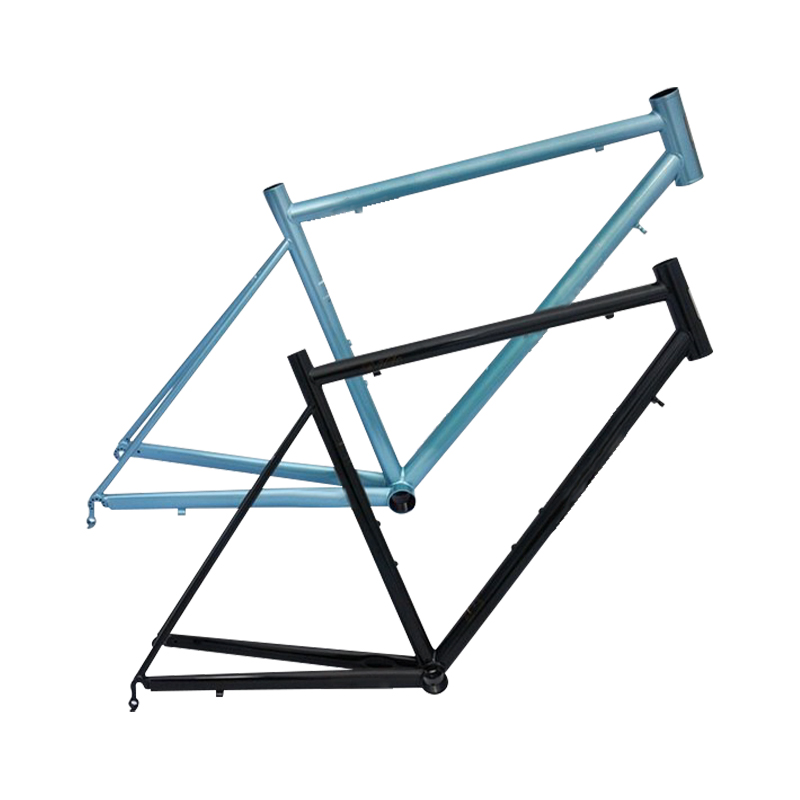
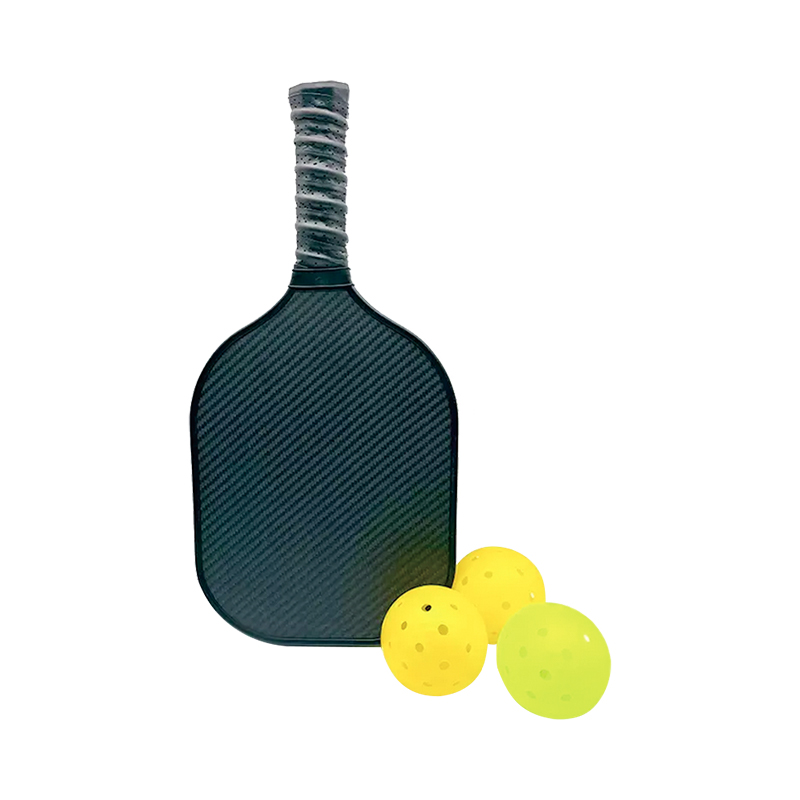
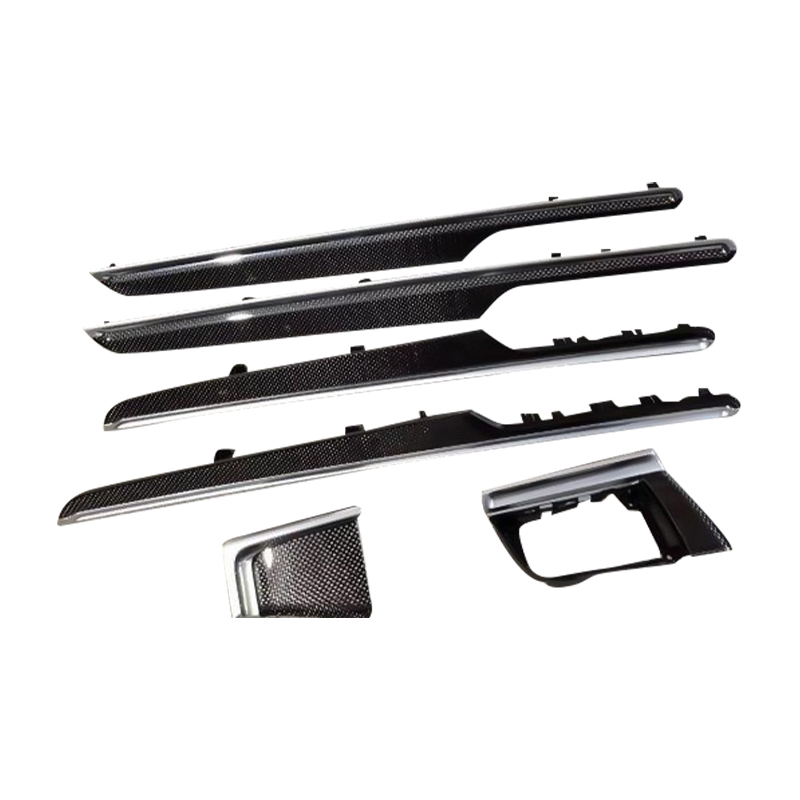
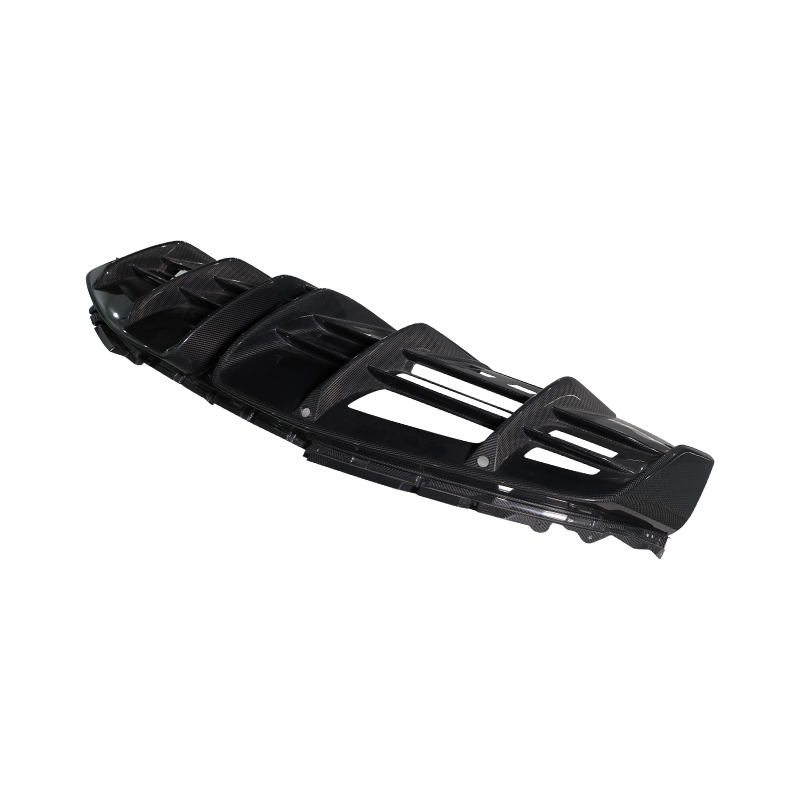
Prepreg Carbon Fiber Cloth
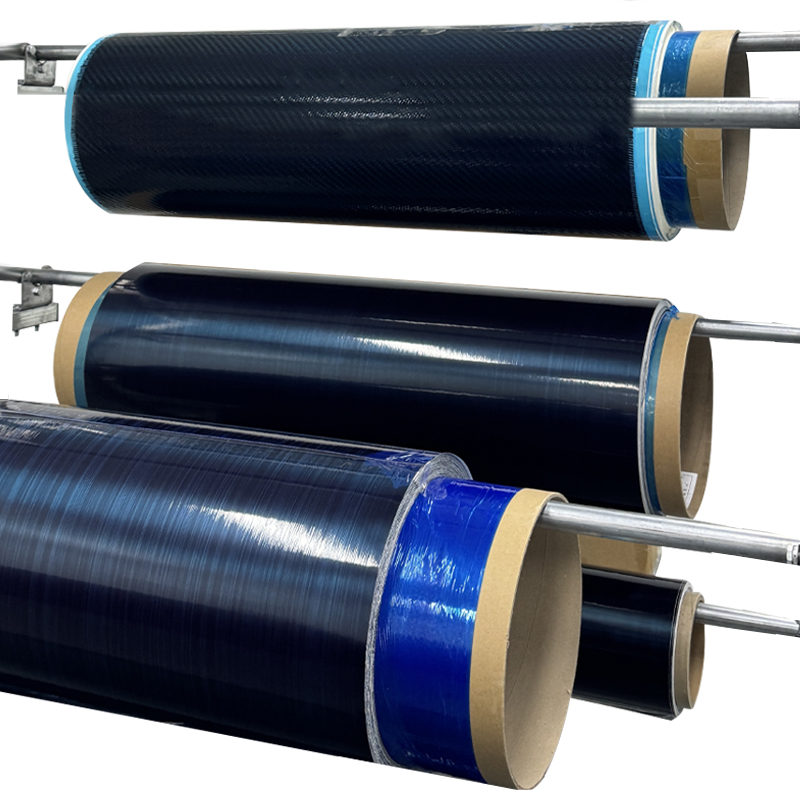
Factory-impregnated woven carbon fiber cloth supplied with controlled resin content and defined tack level. Eliminates resin mixing and metering at the layup stage, delivering repeatable fiber volume fraction and void content across production runs.
Prepreg carbon fiber cloth is a woven carbon reinforcement that has been impregnated with a precisely formulated epoxy resin system under controlled manufacturing conditions. Resin content is held to a tolerance of ±2%, giving consistent fiber-to-resin ratio across the roll and predictable mechanical properties after cure. This eliminates the variability that comes with manual resin application and removes resin mixing, metering, and degassing from the layup stage. The cloth is supplied interleaved with release paper and requires frozen storage to maintain tack and flow characteristics. It is available in plain, twill, and satin weaves with 3k to 12k tows and areal weights from 200 to 600 g/m². Suitable for autoclave, press, and vacuum bag cure cycles.
Production Advantages
Controlled Resin Ratio
Resin content tolerance of ±2% delivers consistent fiber volume fraction from the first ply to the last, removing batch-to-batch variation in cured laminate properties.
Low Void Content
Vacuum-bagged resin and controlled impregnation reduce entrapped air. Void content of 1.0% or below is achievable with correct cure pressure and bagging practice.
Reduced Layup Labour
No resin mixing, metering, or degassing at the bench. Plys are cut and placed directly, shortening cycle time and removing a source of operator error.
Defined Tack Level
Tack is specified per order to suit the layup method and part geometry. Adequate tack holds plies in position on vertical and inclined tooling surfaces before cure.
Automation Compatible
Consistent tack and drape support automated tape laying and ply placement equipment, reducing hand labour in high-volume production programmes.
Batch Traceability
Each roll is supplied with batch documentation covering resin content, volatile content, gel time, and thermal analysis data for incoming inspection and process records.
Specification Summary
Cure Cycle
Storage and Handling Protocol
Sector Fit
Technical and Commercial Questions
Thaw the roll at room temperature in the sealed moisture-barrier bag for 12 to 24 hours. Do not open the bag until the roll has reached ambient temperature, as condensation on the prepreg surface will affect tack and cure. Once thawed, log the start of out-life exposure.
Shelf life refers to total storage time at -18°C and is 6 months from date of manufacture. Out-life is the cumulative time the material is exposed to 23°C and is limited to 21 days. Both limits must be respected. Exceeding out-life reduces tack and can affect cure kinetics and final laminate properties.
Yes. The prepreg can be cured in a convection oven with vacuum bag only at 0.8 to 0.95 bar. Autoclave pressure of 5 to 7 bar is recommended to achieve optimal fiber volume fraction of 58% or above and to minimise void content in structural applications.
Exceeding out-life results in reduced tack, increased resin viscosity, and compromised surface adhesion. Mechanical properties may degrade by 10% to 15%. If out-life is exceeded by less than 48 hours, contact our technical team for re-qualification testing options before committing the material to a production part.
Yes. Resin content can be specified from 28% to 38% by weight depending on application requirements. Lower resin content suits higher fiber volume fraction targets. Higher resin content suits improved toughness and easier wet-out on complex geometry. Minimum order quantities apply to custom resin levels.
Each roll is supplied with a Certificate of Conformance covering resin content, volatile content, gel time, and thermal analysis data per batch. Full material data sheets are available for engineering review and process qualification records.
 +86-13961668677
 No. 61, Xingyuan Road, Jiefang Village, Gushan Town, Jiangyin City, Jiangsu Province, China.