 Get In Touch
 English
  中文简体
中文简体 عربى
عربى Tiếng Việt
Content
- 1 What Plain Weave Does to Your Layup
- 2 Twill Weave: The Drapability Advantage
- 3 Side-by-Side Comparison Table
- 4 How Weave Choice Affects Mold Conformability and Waste
- 5 Surface Finish: What Your Customer Will See
- 6 Mechanical Properties in Real Laminates
- 7 Selecting Weave for Your Application
- 8 Frequently Asked Questions
After selecting the fiber modulus and resin system, the weave pattern becomes the deciding factor for how a carbon fiber layup performs on the shop floor. Jiangyin Dongli New Materials Technology Co., Ltd. consistently sees composite manufacturers order 3K carbon fiber cloth without understanding that plain weave and twill weave are not interchangeable in a mold. The pattern determines whether the fabric conforms to a complex contour, how much trimming waste the shop generates, and how the finished surface reads under clear coat.
What Plain Weave Does to Your Layup
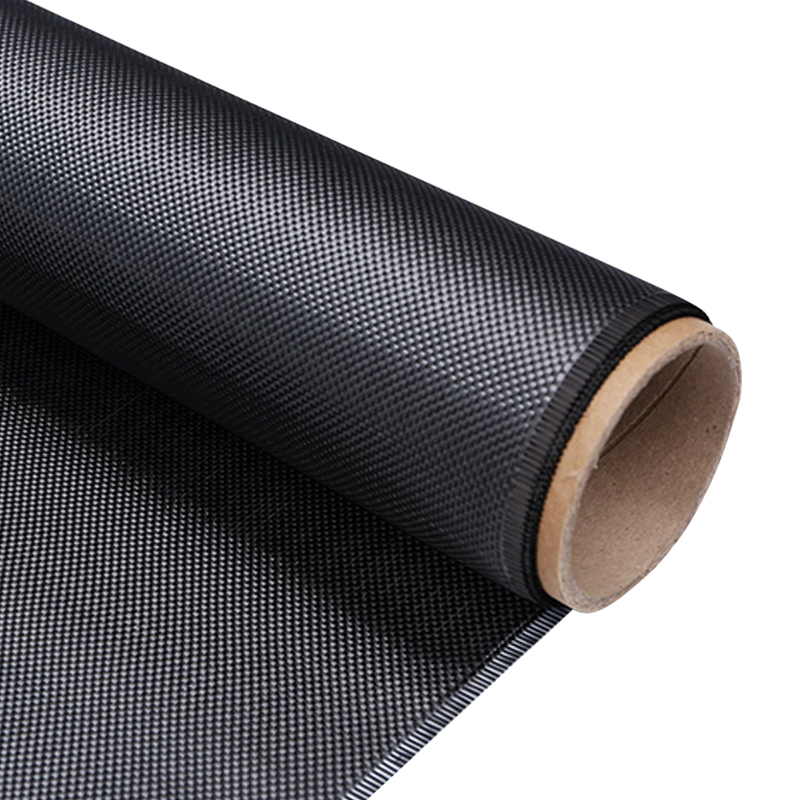
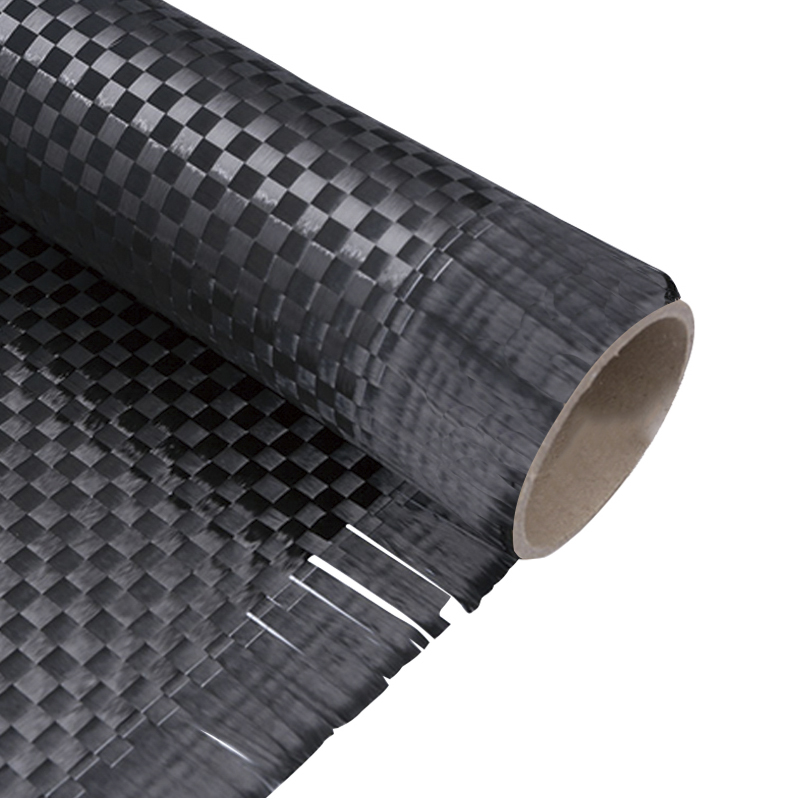
Plain weave is interlaced in a 1/1 pattern, with each fiber bundle passing over one and under one adjacent bundle. This produces the tightest, most balanced carbon fiber cloth available, and it is the simplest structure that a loom can reliably reproduce.
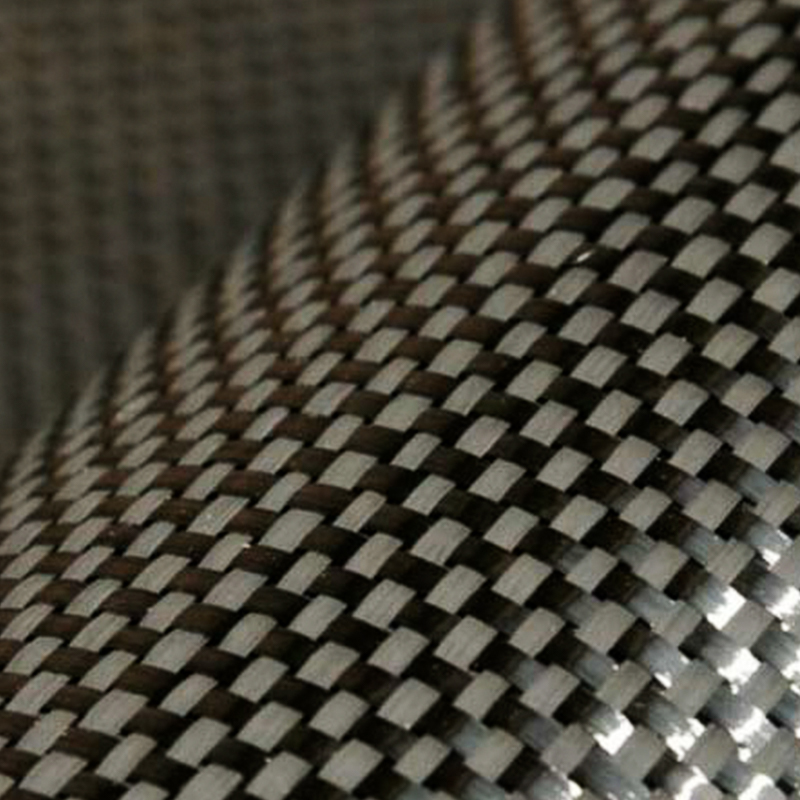 1k/3k/12k Carbon Fiber Plain Weave Fabric for Balanced LayupsThis fabric uses a 1/1 interlace for tight, balanced cloth that resists shifting during cutting and bagging. It suits flat panels, tooling surfaces, and gentle-curvature parts where predictable alignment is needed.View Product →
For a manufacturer building flat panels, tooling surfaces, or parts with gentle curvature, plain weave is the predictable choice. The balanced interlace means the cloth does not shift or skew during cutting and vacuum bagging. Your layup team gets consistent alignment, and the trimmed piece holds its shape before resin infusion.
- Highest fiber crimp of all standard weaves
- Excellent dimensional stability during handling
- Symmetric 1/1 visual pattern on both faces
- Best choice for flat, low-curvature laminates
- Reduced drape around tight radii and compound curves
Definition: Plain weave is a 1/1 alternating interlace where each tow crosses over one and under one, creating the tightest and most dimensionally stable carbon fiber fabric structure.
Twill Weave: The Drapability Advantage
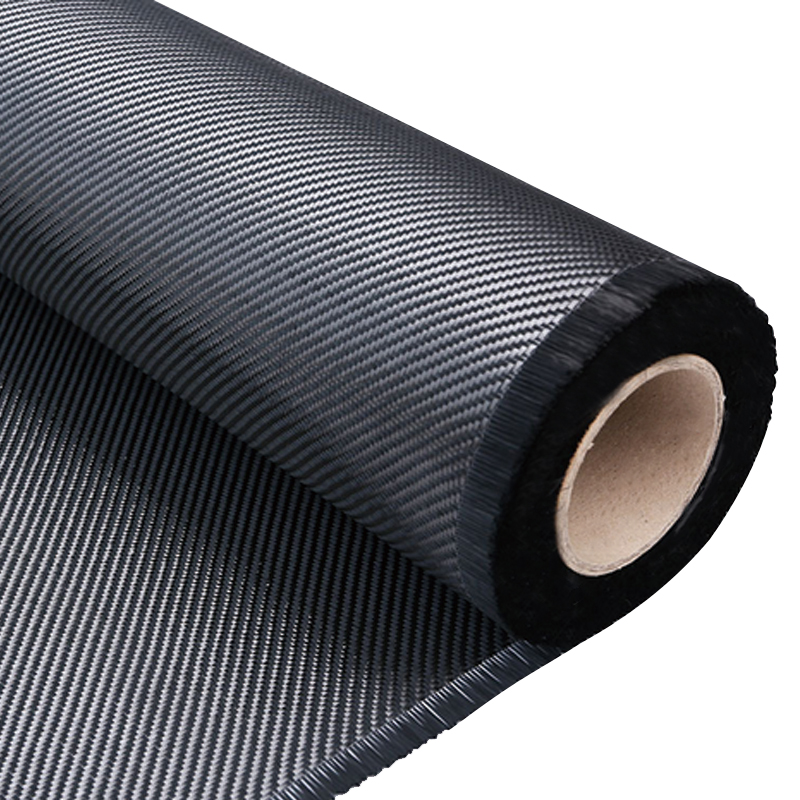
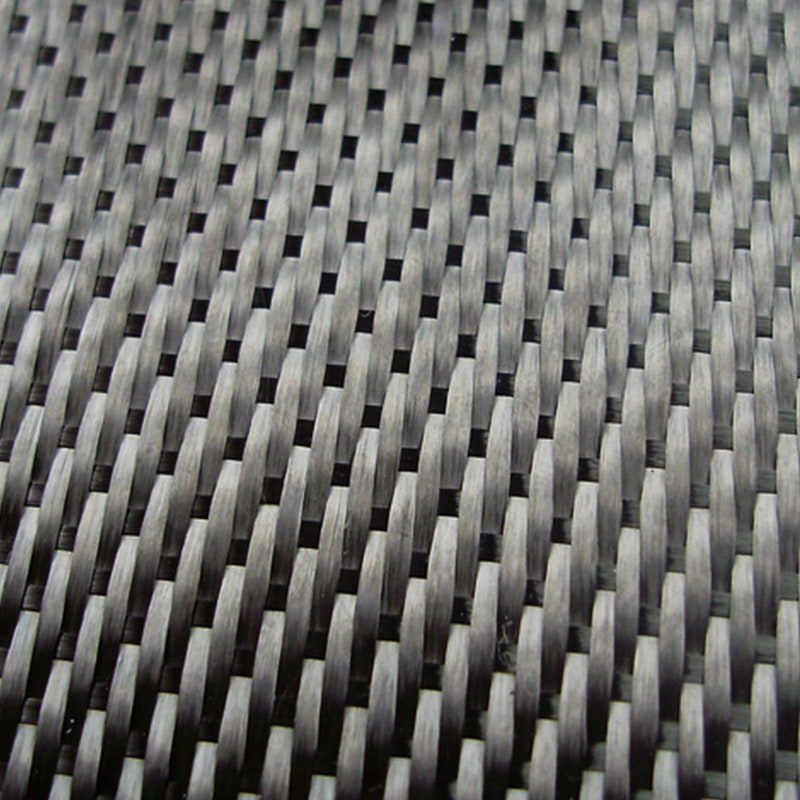
Twill weave uses a 2/2 interlace, where each tow passes over two adjacent tows and then under two, producing a walking diagonal pattern that gives the material a softer hand and far better mold conformability.
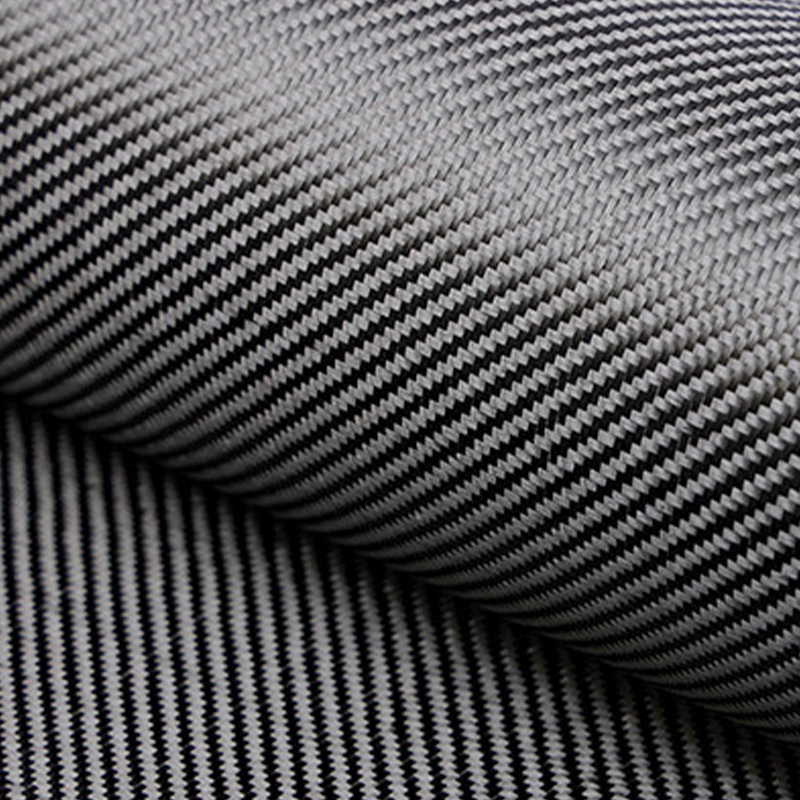 Carbon Fiber Twill Weave Fabric with Wear and Heat ResistanceThe 2/2 twill pattern improves drape over compound curves and reduces wrinkling. Rated for up to 200°C, it retains strength in aerospace, automotive, and industrial applications.View Product →
When a part includes compound curvature across multiple axes, twill weave drapes into the cavity with fewer wrinkles and fewer bridging zones. The reduced crimp also keeps the fiber straighter within the laminate, which improves the mechanical efficiency of the reinforcing tow.
- Lower crimp compared with plain weave
- Conforms to complex contours without severe wrinkling
- Visible diagonal surface texture favored in exposed cosmetics
- Softer hand that allows tighter packing in tight corners
- Requires greater care to hold alignment before resin
Side-by-Side Comparison Table
The table below condenses the production trade-offs that matter when purchasing carbon fiber cloth rolls.
| Attribute | Plain Weave | Twill Weave |
| Interlace pattern | 1 over / 1 under | 2 over / 2 under |
| Drapability | Low | High |
| Fiber crimp | Highest | Moderate |
| Dimensional stability | Excellent | Good |
| Surface texture | Checkerboard | Diagonal twill line |
| Typical weight range | 100-600 g/m2 | 200-600 g/m2 |
| Best-fit applications | Flat panels, tooling, prepreg faces | Drone shells, automotive parts, complex radomes |
The visible difference in a finished part is only half the story. The hidden difference in mold conformability drives real cost on the shop floor.
How Weave Choice Affects Mold Conformability and Waste
The single largest cost difference between plain and twill carbon fiber cloth is not the price per meter; it is the amount of material that ends up in the trim bin during layup.
Performance scores for twill and plain carbon fiber cloth
In a typical aerospace or drone part with a 25 mm corner radius, a 3K plain weave cloth that does not conform will bridge the corner and create a dry spot in the laminate. The trim waste on a complex layup frequently reaches 18 to 22 percent with plain weave, while the same geometry in twill weave typically reduces trim waste to 6 to 10 percent.
Trim waste finding: On a complex layup production run, plain weave generates 18 to 22 percent trim waste versus 6 to 10 percent for twill weave. For a 1,000-piece program, the fabric cost saving from twill can exceed the price difference per linear meter.
If you are quoting a tight-budget program, consider the carbon fiber fabric sheet selection process as one part of the total cost equation.
Surface Finish: What Your Customer Will See
If the part is exposed to clear coat after demolding, the weave becomes the primary visual signature of the finished product.
Plain weave appearance
A checkerboard pattern with alternating dark and light squares. The surface is flatter and minimizes light reflection hotspots in cast fixtures. It is the standard appearance on aerospace interior panels, tooling plates, and structural reinforcements where the finish is secondary to function.
Twill weave appearance
A diagonal flowing line that reads as high-end cosmetic carbon. Twill is the dominant choice for consumer-facing products such as automotive spoilers, drone exteriors, and lifestyle luggage where visible carbon texture signals performance. Jiangyin Dongli manufactures twill fabric specifically for this market.
Exposed carbon parts in consumer products are overwhelmingly specified in twill. The diagonal weave masks machining marks and offers a richer color transition under clear coat.
Mechanical Properties in Real Laminates
When the laminate is cured, the crimp in the weave determines how much tensile strength the fiber can deliver before the bundle straightens.
That does not mean twill is always stronger. Plain weave delivers slightly higher compressive properties in the cured laminate because the tight interlace stabilizes the fiber against micro-buckling. The practical takeaway: choose plain weave when compression dominates, choose twill when tension and flexural conformability dominate.
Selecting Weave for Your Application
Use this checklist when you sit down with a fabric supplier or with your own layup team.
- Check the minimum corner radius on the mold. Under 10 mm forces you toward twill or satin.
- Look at the surface requirement. Exposed clear coat parts favor twill for cosmetics.
- Review the load direction. Compression-dominated structures such as tooling favor plain.
- Estimate trim waste. Complex parts with plain weave consume 15 to 25 percent more fabric.
- Confirm the fiber areal weight. Twill is available in common automotive and sporting goods weights from 200 g/m2 upward.
Sourcing tip: Always request a drapability report from the fabric supplier before committing a full production order. It prevents rejected layups that are only discovered at the vacuum bagging stage.
When evaluating a supplier, request rolled goods with a documented weave selection and drapability report. This makes it easier to compare tacks, handle, and finishing behavior before committing a full production order.
Frequently Asked Questions
Is plain weave carbon fiber stronger than twill weave?
Not in every direction. Plain weave has the most fiber crimp, which slightly reduces tensile and compressive strength compared with low-crimp twill. Plain weave does provide better dimensional stability and higher compressive resistance under tight interlock. For flat compression-driven parts, plain is the safer choice; for complex loaded structures, twill usually wins.
Can twill carbon fiber be used in structural aerospace parts?
Yes. Aerospace structures use twill and satin weaves to follow compound curvature while maintaining the fiber volume fraction. Certification programs often accept twill laminates when the ply sequence and resin system are documented. Plain weave remains common for flat skins and doubler plates.
Which weave is better for vacuum infusion?
Twill is generally more forgiving during vacuum infusion because it conforms to tight radii and reduces bridging. That improves resin flow around corners and lowers the chance of dry spots. Plain weave works well in flat infusion panels where the fabric stays flat and the resin front moves uniformly.
Does weave pattern affect fiber volume fraction?
Yes, but only indirectly. The weave influences how tightly tows pack in the laminate before and during cure. Plain weave tends to produce a slightly lower achievable fiber volume fraction because of its high crimp. Twill and satin weaves allow the tows to nest more densely, supporting higher fiber volume fractions in the final composite.
 +86-13961668677
 No. 61, Xingyuan Road, Jiefang Village, Gushan Town, Jiangyin City, Jiangsu Province, China.