 Get In Touch
 English
  中文简体
中文简体 عربى
عربى Tiếng Việt
Content
A 3.6 GPa para-aramid yarn is among the strongest reinforcement fibers available, yet weaving it into a tight plain-weave fabric can reduce its effective tensile strength to roughly two-thirds of that value. The gap between fiber properties and fabric properties is not a defect - it is the direct result of fiber orientation and weave geometry. For engineers specifying woven aramid reinforcements, understanding how orientation controls strength and processing is the critical step before choosing a material.
What fiber orientation actually means in a woven aramid fabric
Fiber orientation in a woven fabric is the direction of warp yarns, running at 0 degrees along the roll length, and weft yarns, crossing at 90 degrees, relative to the load path in the finished part.
Fiber orientation: the angular alignment of reinforcement yarns relative to a reference axis; in woven aramid fabric, this axis is set by the warp direction and modified by the weave pattern's crimp geometry.
Unlike unidirectional tape, a woven fabric carries reinforcement in two in-plane directions at once. That is why woven aramid is specified for helmets, ballistic panels, blast shields, and composite brackets that see loads from multiple angles. But the two-direction structure comes with a cost: every warp yarn crosses over and under every weft yarn, forming a bend called crimp. Para-aramid molecules are highly aligned along the fiber axis, so the fiber is strong in tension yet weak under bending and lateral compression. Crimp therefore transfers real strength losses directly into the fabric. For a broader comparison of aramid fabric grades and applications, our aramid woven fabric guide covers the full property range.
Warp and weft: strength is directional
Woven aramid fabric is strongest when the load is aligned with the warp or weft yarns, and it loses strength rapidly when the load is applied between those two axes.
For a balanced 2/2 twill aramid fabric, typical tensile strength retention relative to the warp direction follows the pattern below. The 0-degree value is normalized to 100 percent.
| Load angle | Tensile strength retention | Stiffness retention |
| 0 deg (warp) | 100% | 100% |
| 15 deg | 82% | 88% |
| 30 deg | 55% | 65% |
| 45 deg | 38% | 42% |
| 90 deg (weft) | 95% | 96% |
At 45 degrees, more than 60 percent of the aligned strength disappears. This is the single most common cause of failure in aramid laminates: engineers size the part from tensile data measured in the warp direction, then overestimate the panel's off-axis stiffness and strength.
For a pressure vessel, helmet shell, or drone arm, the design must either orient each ply so the primary load follows warp or weft, or build a laminate with 0/90 and plus/minus 45 plies to cover the full load envelope.
Weave pattern: crimp controls strength translation
A tighter weave pattern produces higher crimp, and higher crimp lowers the percentage of fiber tensile strength that reaches the finished laminate - a value called strength translation efficiency.
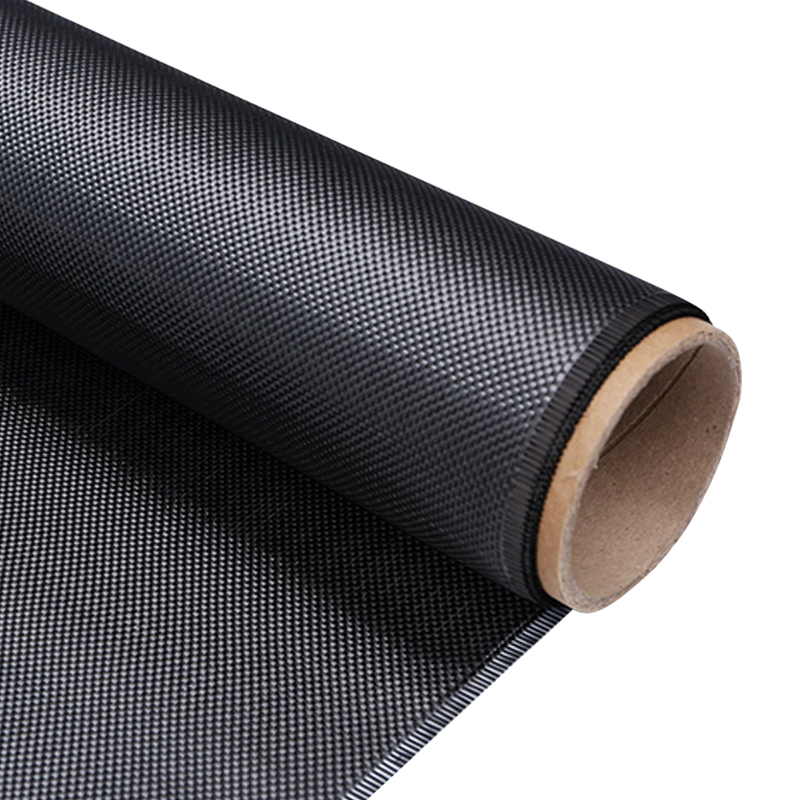
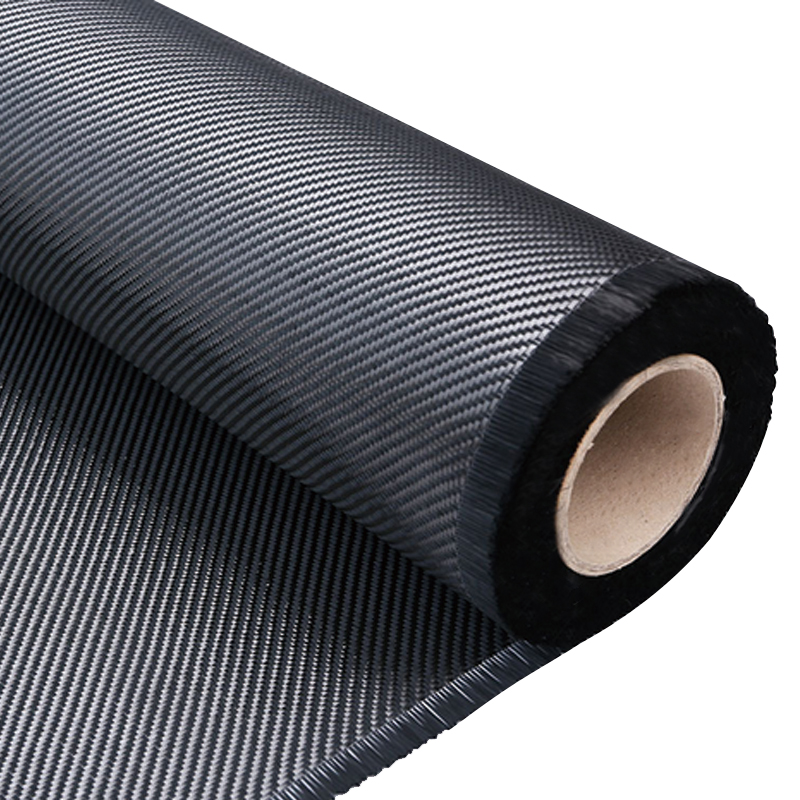
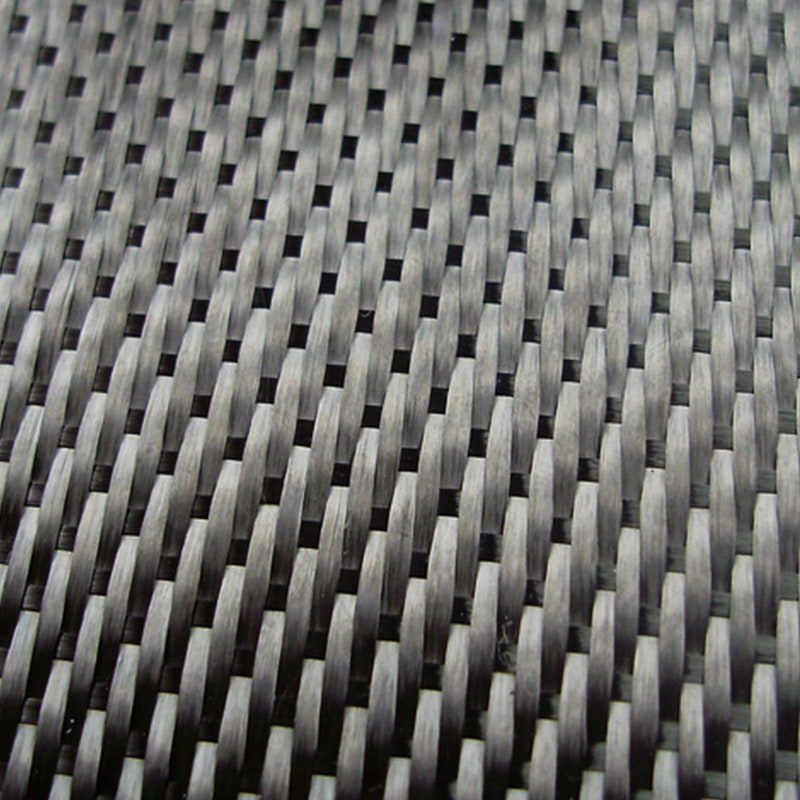
Weave pattern is the second layer of orientation control. Plain weave (1/1) passes each yarn over one and under one, locking the structure rigidly. Twill (2/2) floats yarns over two neighbors, and satin (4H) creates long floats with minimal crimp. The trade-off is consistent: lower crimp improves strength translation and drapability but weakens surface stability and slip resistance.
Strength translation by reinforcement form
Typical values for 200-300 g/m2 aramid reinforcements in epoxy laminates
| Weave pattern | Crimp level | Strength translation | Drapability | Surface stability |
| Plain 1/1 | High | 60-70% | Low | Excellent |
| Twill 2/2 | Medium | 75-80% | Good | Good |
| Satin 4H | Low | 80-88% | Excellent | Fair |
| Basket 2/2 | Medium-high | 65-78% | Fair | Good |
If impact resistance and surface stability are the priority, plain weave is the right choice. If structural strength translation and conformance over a compound curvature mold matter more, twill or satin will outperform plain weave in the laminate.
How orientation changes cutting, draping, and resin wetting
Fiber orientation and weave density determine how aramid fabric behaves in the three production stages where most waste is created: cutting, layup, and resin infusion.
- Cutting. Aramid yarns fibrillate under shear, and the angled yarns at weave intersections make clean cuts harder than in carbon fabric. Ultrasonic knives or water-jet cutting produce clean edges; carbide-tipped circular cutters running at reduced speed also work if the blade is fresh.
- Draping. On a double-curved mold, a tight plain weave resists in-plane shear, so it wrinkles instead of conforming. Twill and satin allow yarn rotation within the fabric, which lets the ply shear into the mold shape without fiber buckling.
- Wetting. Resin flows along fiber bundles, and each weave intersection is a potential flow restriction. Dense plain weave slows wetting and can trap air, while lower-crimp twill or satin wet out faster and achieve lower void content.
Production data from 300 g/m2 aramid twill infusion: void content below 1.5 percent with a standard infusion schedule. The same resin, the same schedule, and a 200 g/m2 plain weave can exceed 3 percent voids. Orientation and weave density change process economics as much as they change mechanical properties.
Selecting the right aramid fabric for production
Choose warp and weft balance and weave pattern based on the dominant load case and the production process - not on the fiber's datasheet tensile strength alone.
Work through the selection in this order:
- Define the primary load direction and orient the roll so warp yarns align with that axis.
- Select the weave pattern: plain for surface stability, twill for balanced strength and draping, satin for maximum strength translation.
- Verify warp-weft balance: 50/50 for roughly isotropic response or specialized ratios for directional stiffness.
- Match areal weight and crimp to the resin system: low-viscosity infusion resins handle dense weaves better than film adhesives.
- Confirm fabric width, roll length, and splicing quality with the supplier before quoting the part.
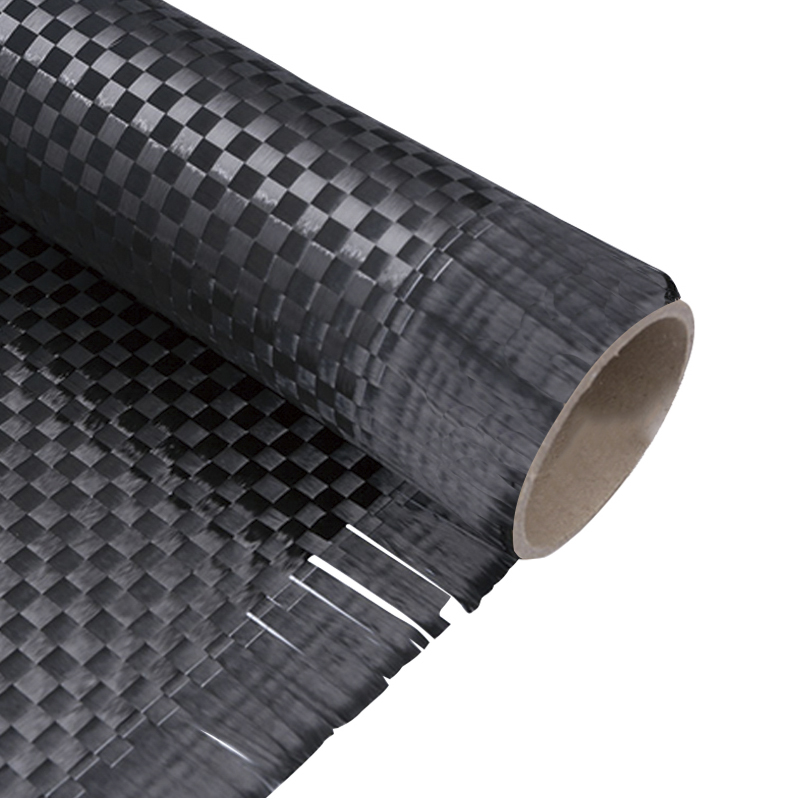
For parts that need both aramid toughness and carbon stiffness, aramid-carbon hybrid fabrics place each fiber type in the same woven layer, which simplifies orientation control compared with stacking separate plies. Jiangyin Dongli New Materials Technology Co., Ltd., a full-process composite manufacturer with a 32,000 m2 plant and 10 production lines, supplies aramid woven fabrics and aramid-carbon hybrid fabrics in controlled warp/weft ratios and custom widths. Their engineering team can match weave pattern to your infusion or prepreg process.
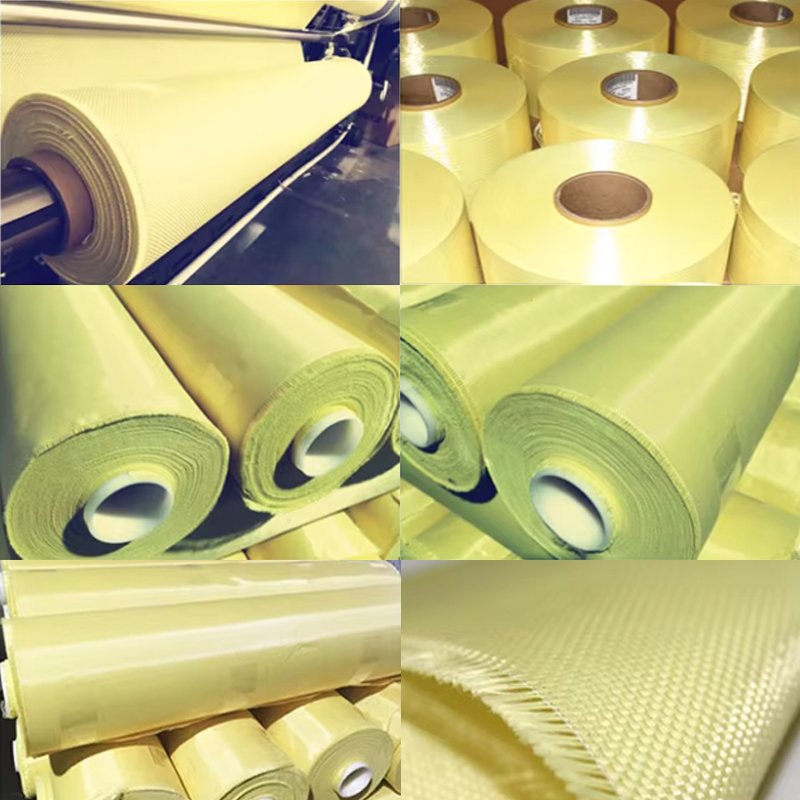 High-Temperature Aramid Woven Fabric for Flame-Resistant LayupsThis para-aramid or meta-aramid woven fabric maintains integrity above 200°C without melting, offering controlled crimp for predictable strength translation. It suits thermal barriers and structural reinforcements in high-heat environments.View Product →
For high-temperature and flame-resistant layups, the same factory produces aramid woven fabric in controlled crimp ranges, which keeps strength translation predictable from roll to roll.
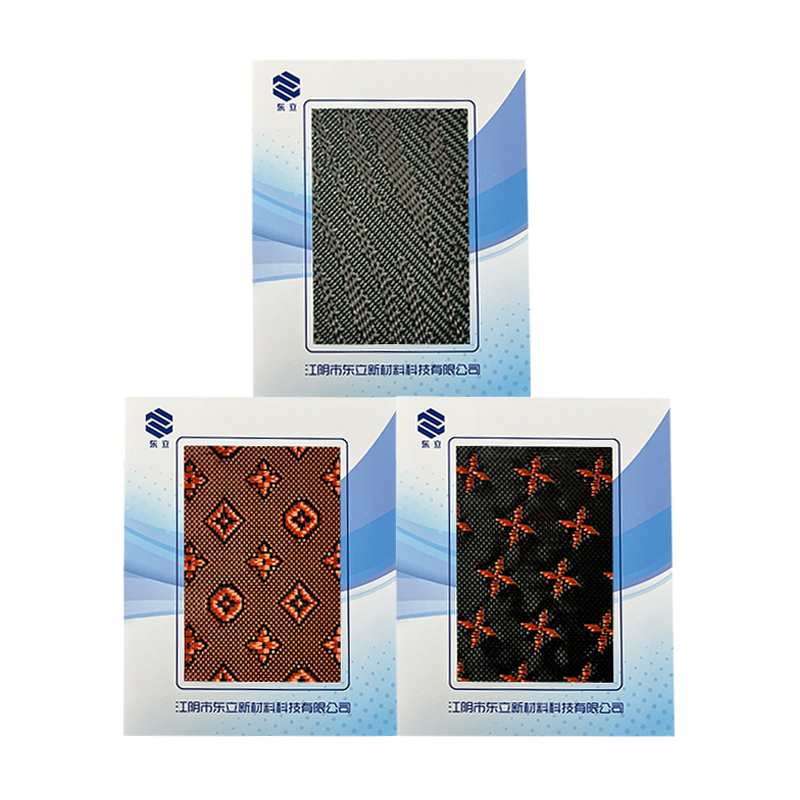 Aramid-Carbon Hybrid Woven Fabric in 3K Plain and TwillCombining aramid toughness with carbon stiffness in one woven layer, this hybrid fabric improves impact resistance and high-temperature performance. Its plain or twill variants allow drapability and modulus adjustments, ideal for aerospace and automotive parts.View Product →
Verify crimp and areal weight against your design allowables before ordering high volumes. A change from twill to satin at the same areal weight can shift laminate modulus by 5 to 10 percent while improving drapability - and that shift is usually worth more than a small change in fiber grade.
Order sample rolls in your target weave before committing to a full production run. One 200 g/m2 twill roll is enough to validate cutting parameters, infusion quality, and laminate strength data for your specific resin system.
Frequently asked questions
Why is woven aramid fabric stronger in the warp direction than in the weft?
Warp yarns are held under tension during weaving, so they lie straighter and carry less residual crimp than weft yarns. The measured tensile strength in the warp direction of a typical balanced weave is 5 to 15 percent higher than in the weft, depending on loom tension and fabric density.
Is twill aramid fabric weaker than plain weave aramid?
Twill is usually stronger per unit of fiber because the longer floats reduce crimp, and less crimp means higher strength translation. Plain weave wins on surface stability and resistance to yarn slip, not on tensile efficiency. For structural laminates, twill or satin almost always deliver higher laminate allowables than plain weave at the same areal weight.
Why does aramid fabric fray so easily when cut?
Aramid molecules are highly oriented, so the fiber splits along its length under shear rather than breaking cleanly. This fibrillating behavior is amplified at weave intersections where warp and weft cross at 90 degrees. Ultrasonic cutting and water-jet cutting eliminate the fraying by severing fibers cleanly before shear stress builds up.
How does aramid-carbon hybrid fabric solve orientation problems?
Aramid-carbon hybrid fabric weaves both fiber types into a single layer, which lets engineers balance aramid toughness against carbon stiffness without stacking separate plies. Carbon strands take the tensile load in warp and weft directions, while aramid strands provide impact resistance and vibration damping in the same orientation plane. Jiangyin Dongli New Materials Technology Co., Ltd. produces these hybrids in plain and twill versions with verified warp-weft ratios.
 +86-13961668677
 No. 61, Xingyuan Road, Jiefang Village, Gushan Town, Jiangyin City, Jiangsu Province, China.