 Get In Touch
 English
  中文简体
中文简体 عربى
عربى Tiếng Việt
Content
Carbon fiber material has become essential for industries that need lightweight structures without sacrificing strength, stiffness, or durability. From aerospace panels to wind turbine blades, its performance traces back to a manufacturing process built on precise control — precursor spinning, stabilization, carbonization, surface treatment, and composite processing. This guide walks through how carbon fiber material is made, what determines its quality, and where it's used across industrial applications.
01. What Is Carbon Fiber Material?
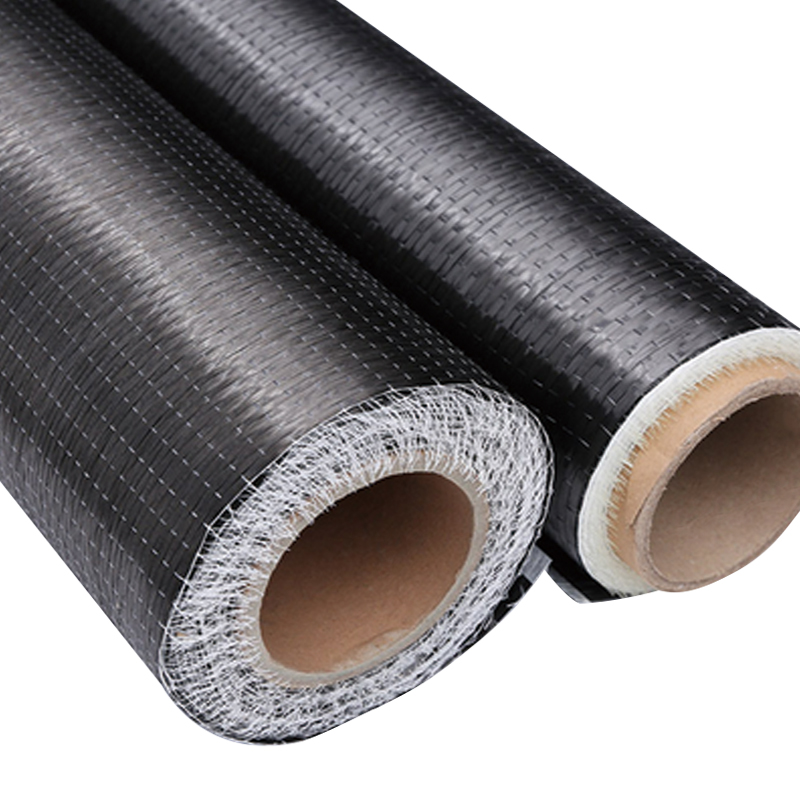
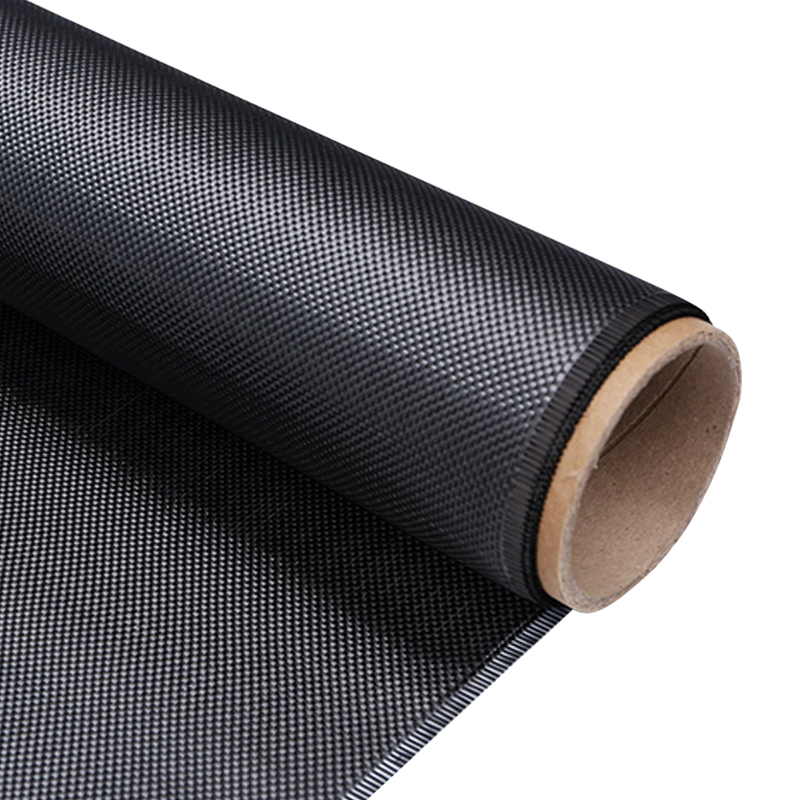
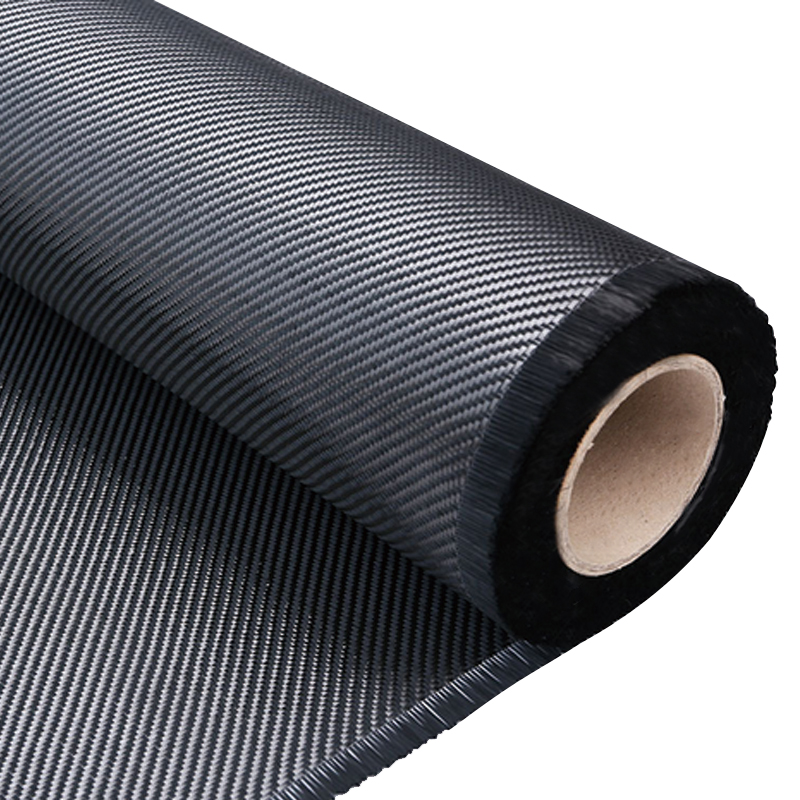
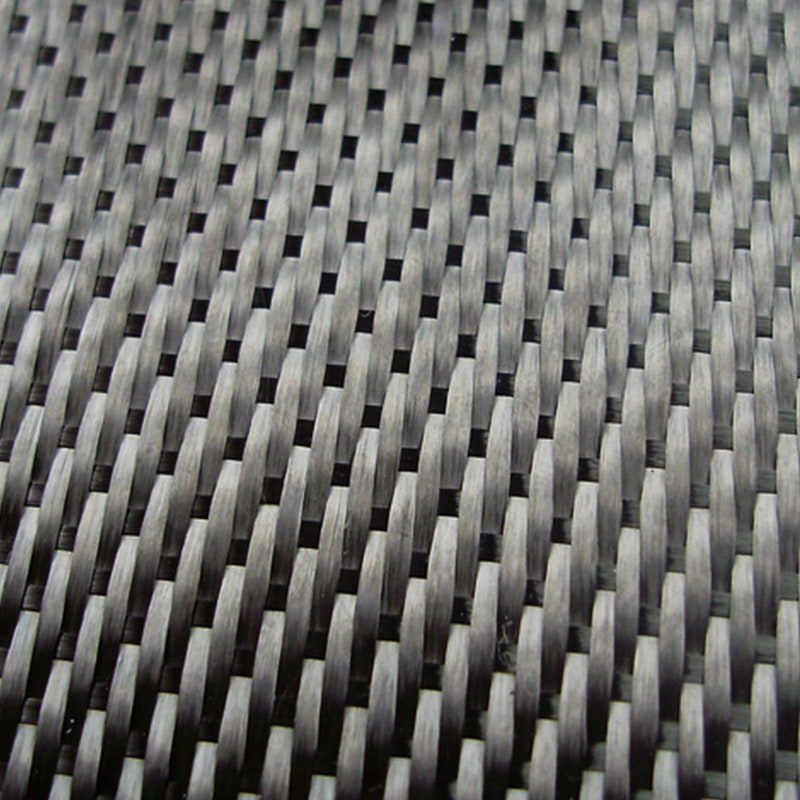
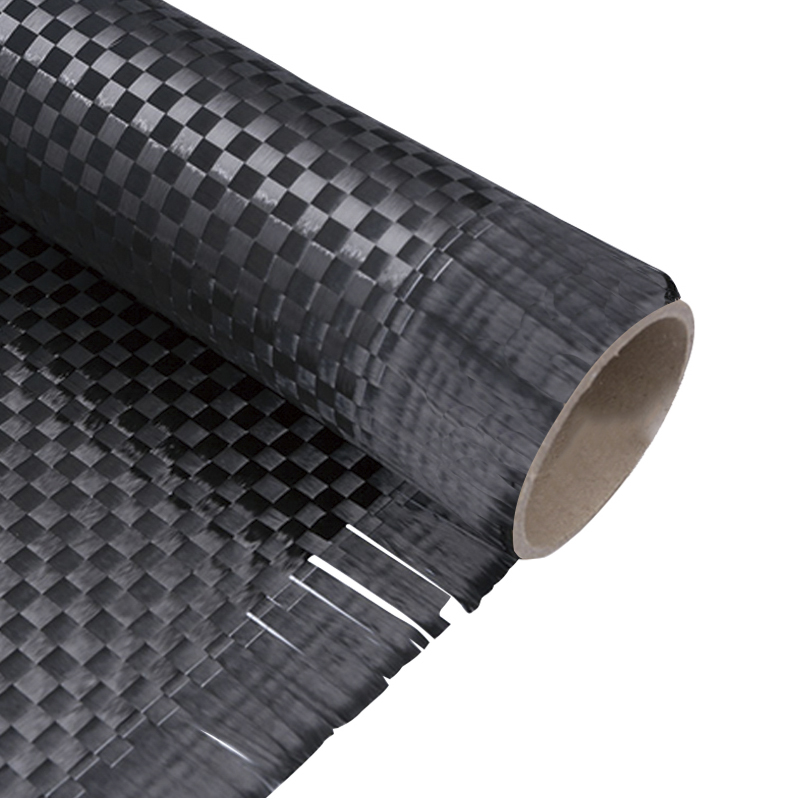
Carbon fiber material is a lightweight composite made from carbon fibers combined with a resin matrix, typically epoxy. The fibers deliver high tensile strength and stiffness, while the resin transfers load between fibers and protects them from damage.
- High tensile strength: outperforms steel and aluminum on a strength-to-weight basis.
- Excellent stiffness with low weight: reduces structural mass without losing rigidity.
- Corrosion and fatigue resistance: holds performance through repeated stress cycles and harsh environments.
Common Grades of Carbon Fiber
Standard modulus carbon fiber balances cost and performance for general industrial use, high strength carbon fiber is built for structural load-bearing applications, and high modulus carbon fiber prioritizes stiffness for aerospace and precision components.
High Strength Grade High Modulus Grade
02. Raw Materials: Precursor Selection
Precursor quality determines the ceiling on final fiber performance. PAN-based precursors (polyacrylonitrile) dominate the industry thanks to high carbon yield and strong mechanical output, while pitch-based precursors, derived from petroleum or coal-based pitch, offer high stiffness and thermal conductivity for specialized applications.
03. How Carbon Fiber Material Is Manufactured
Producing carbon fiber material requires a controlled sequence of thermal and chemical stages, each shaping the fiber's final structure.
Precursor Fiber Spinning
The process begins with polymer preparation, solution mixing, and fiber spinning, followed by stretching and alignment that sets the initial fiber structure.
Stabilization and Carbonization
Stabilization heats precursor fibers in an oxygen-controlled environment to transform their chemical structure so they can withstand extreme heat. Carbonization then heats the fibers in an inert atmosphere, removing non-carbon elements and aligning carbon atoms into a tightly bonded structure — this stage sets fiber strength, modulus, and carbon content.
Approximate Processing Temperature by Manufacturing Stage
Graphitization, Surface Treatment, and Sizing
High-performance fibers may undergo graphitization to boost stiffness and thermal conductivity for aerospace-grade applications. Surface treatment then improves fiber-resin bonding, and a sizing coating protects the fiber surface and improves handling before it enters composite production.
Prepreg Processing
Resin-impregnated carbon fiber sheets used for high-performance, precision components.
Resin Transfer Molding
Liquid resin injection suited to complex structural geometries.
Filament Winding
Used for cylindrical products such as pressure vessels, pipes, and industrial components.
Quality Control
Tensile strength, surface consistency, fiber diameter, and defect control are tested at every stage.
04. Where Carbon Fiber Material Is Used
Manufactured carbon fiber material serves demanding structural roles across several industries.
- Aerospace: aircraft structures and lightweight interior components that reduce weight and improve fuel efficiency.
- Automotive: body panels, chassis, and performance components for weight reduction and durability.
- Renewable energy: wind turbine blades that need long service life and environmental resistance.
- Industrial equipment: machinery parts, structural reinforcement, and pressure vessels.
05. What Affects Final Carbon Fiber Quality
Precursor material quality sets the baseline for strength and carbon content, while process control — temperature, heating rate, and atmosphere conditions — determines consistency. Composite processing choices, including resin selection and fiber orientation, then shape how that fiber performs in a finished part. The industry is also shifting toward recycled carbon fiber, lower-energy carbonization methods, and automated production to cut cost and environmental impact.
Looking for reliable carbon fiber material for your industrial application? Contact us for technical specifications and customized composite solutions.
FAQ
What is the main precursor used in carbon fiber manufacturing?
PAN (polyacrylonitrile) is the most widely used precursor due to its high carbon yield and strong mechanical performance, though pitch-based precursors are used for specialized, high-stiffness applications.
Why is carbonization the most critical step?
Carbonization determines the fiber's final strength, elastic modulus, and carbon content by aligning carbon atoms into a tightly bonded structure under high heat in an inert atmosphere.
What's the difference between high strength and high modulus carbon fiber?
High strength carbon fiber is optimized for tensile load-bearing structural applications, while high modulus carbon fiber prioritizes stiffness, typically through additional graphitization, for aerospace and precision uses.
Is carbon fiber material recyclable?
Yes, recovering carbon fibers from waste composites is a growing industry focus, aimed at reusing high-value material and reducing overall resource consumption.
 +86-13961668677
 No. 61, Xingyuan Road, Jiefang Village, Gushan Town, Jiangyin City, Jiangsu Province, China.