 Get In Touch
 English
  中文简体
中文简体 عربى
عربى Tiếng Việt
Content
- 1 Types of Carbon Fiber Fabric Sheets
- 2 Applications of Carbon Fiber Fabric Sheets
- 3 Key Performance Properties Buyers Should Evaluate
- 4 Manufacturing and Processing Considerations
- 5 FAQ
- 5.1 What are carbon fiber fabric sheets used for?
- 5.2 How strong is a carbon fiber fabric sheet?
- 5.3 What is the difference between carbon fiber cloth and carbon fiber sheet?
- 5.4 Can carbon fiber fabric be molded?
- 5.5 How do you choose the right carbon fiber weave type?
- 5.6 Is carbon fiber heat resistant?
- 6 Final Thoughts
Choosing the right carbon fiber fabric sheets starts with understanding weave structure, fiber orientation, and how each option behaves once it is laminated into a finished part. This guide walks through the main types of carbon fiber cloth sheets, where each performs best across aerospace, automotive, marine, and sports equipment production, the mechanical properties that separate a reliable structural material from an underperforming one, and the processing steps that determine whether a laminate reaches its full strength potential.
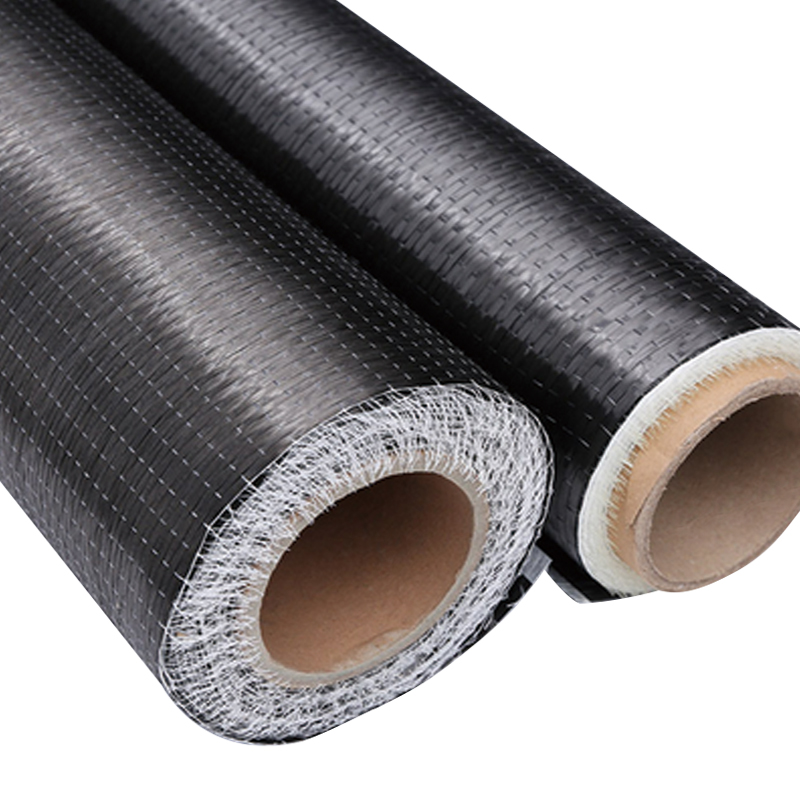
Carbon fiber fabric sheets are woven or unidirectional textiles made from continuous carbon filaments, engineered to be combined with a resin system to form a rigid, lightweight composite. Weave pattern, fiber orientation, and areal weight all influence how a sheet drapes over a mold, how it distributes load once cured, and how it responds to heat and repeated stress. Buyers who understand these variables can specify the correct fabric on the first order, rather than discovering a mismatch after layup and cure.
Types of Carbon Fiber Fabric Sheets
Carbon fiber fabric sheets are classified primarily by weave structure and fiber orientation, and the correct type depends on whether a part needs balanced multi-directional strength, drapability over complex curves, or maximum stiffness along a single load path.
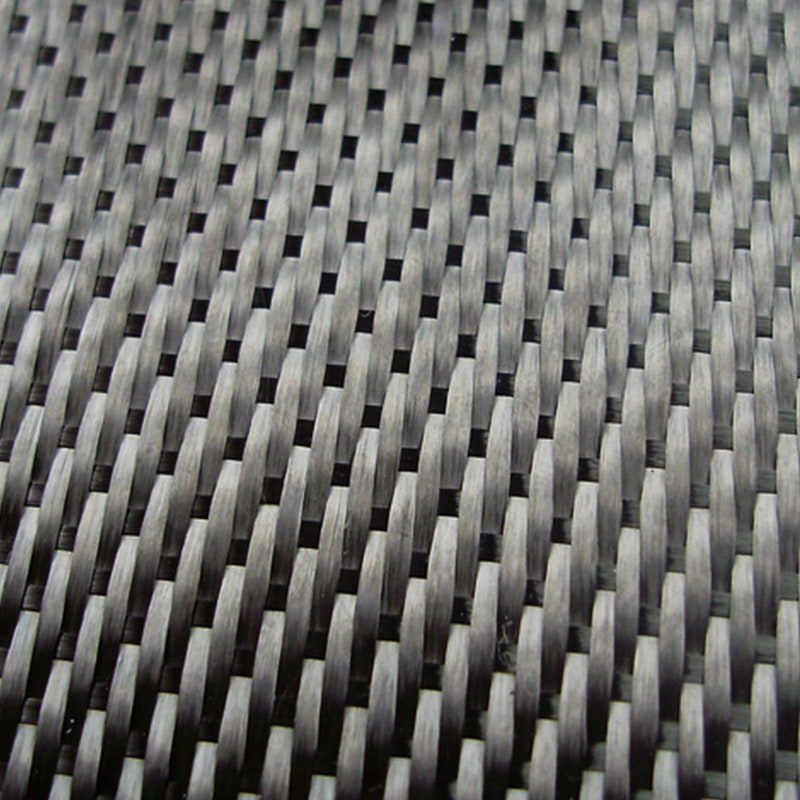
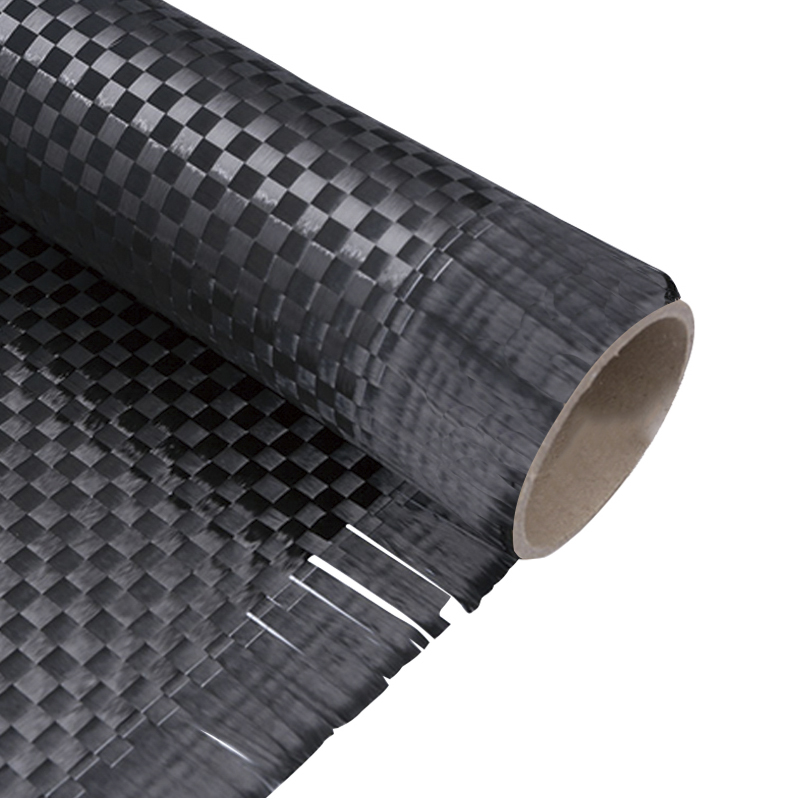
- Woven Carbon Fiber Fabric The broad category covering plain weave and twill carbon fiber fabric, where fibers interlace in two directions. Woven carbon fiber cloth sheets provide balanced strength along both axes and are the default choice for general structural panels.
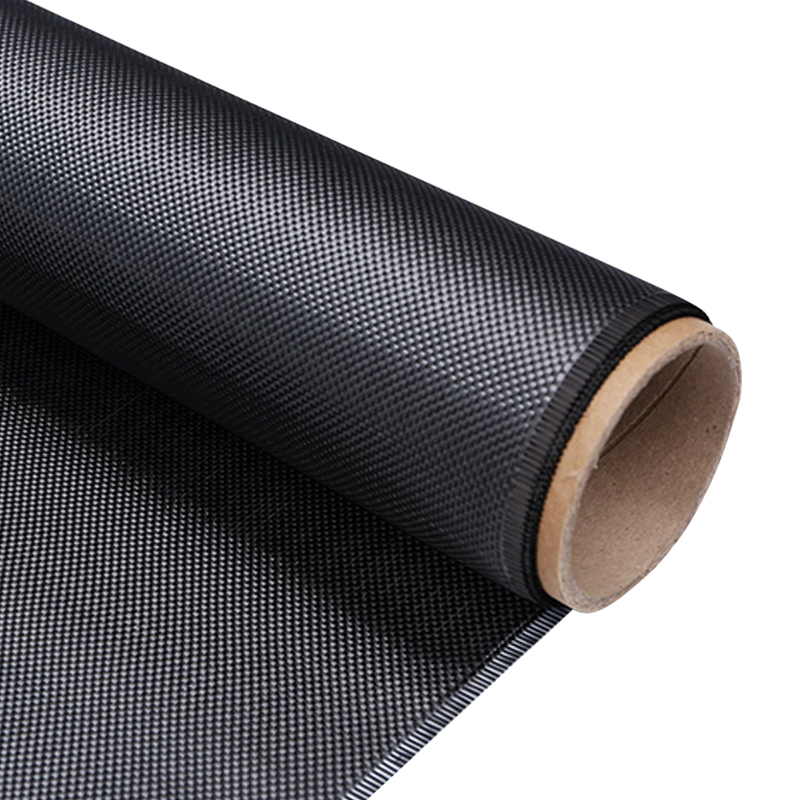
- Plain Weave Carbon Fiber Fabric Fibers cross over and under each other in a simple alternating pattern, producing a tight, stable, low-distortion sheet. It is easier to cut and handle but drapes less readily over tight curves than a twill weave.
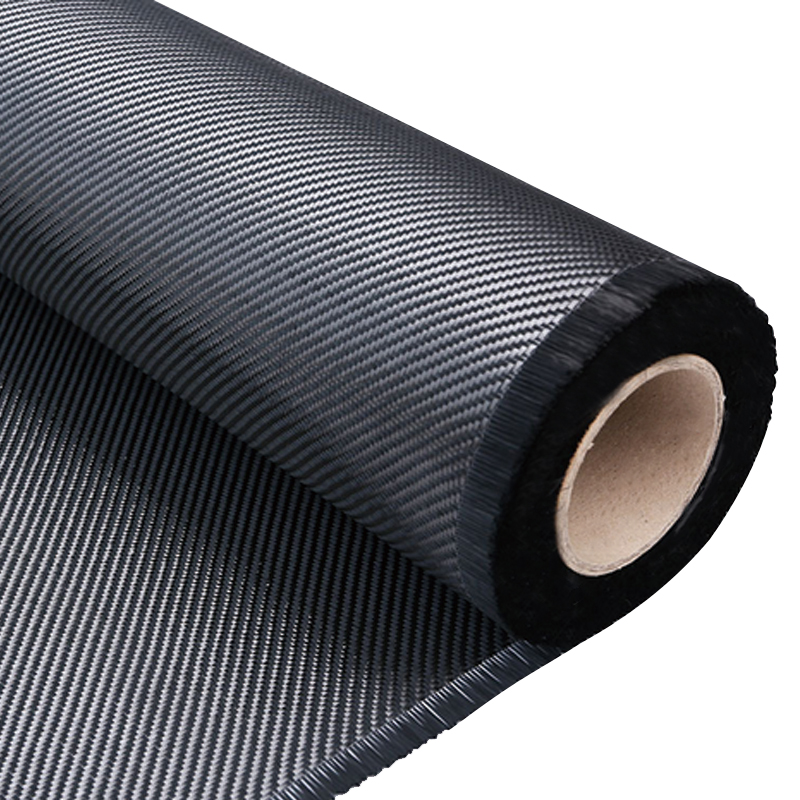
- Twill Weave Carbon Fiber Fabric A diagonal weave pattern that gives the fabric better drape over compound curves and a smoother surface finish, making it a common choice for visible, aesthetically finished composite panels.
- Unidirectional Carbon Fiber Sheet Fibers run in a single direction rather than interlacing, concentrating strength and stiffness along that axis. Unidirectional carbon fiber fabric sheets are typically layered at different angles to build a laminate with engineered, direction-specific performance.
Plain Weave
Lower fiber distortion, more predictable mechanical behavior, and easier handling during cutting, at the cost of reduced drapability over curved tooling.
Twill Weave
Better conformability to complex molds and a visually distinctive diagonal surface pattern, favored where drape and finished appearance both matter.
For buyers comparing an industrial carbon fiber fabric sheet against a general-purpose woven cloth, the deciding factor is almost always geometry: flat or gently curved panels favor plain weave, while complex compound-curve parts favor twill or a combination of woven and unidirectional plies within the same laminate.
Applications of Carbon Fiber Fabric Sheets
Carbon fiber fabric sheets are used wherever engineers need to reduce structural weight without sacrificing stiffness or strength, which is why the material shows up across aerospace, automotive, marine, and sporting goods production.
- Aerospace Components Carbon fiber fabric sheets for aerospace applications are used in secondary structures, interior panels, and reinforcement layers, where the weight savings of a carbon fiber composite material translate directly into fuel and payload efficiency.
- Automotive Parts Carbon fiber sheets for automotive parts appear in body panels, structural reinforcement, and performance components, where carbon fiber reinforced plastic replaces heavier metal parts while maintaining stiffness.
- Marine and Boat Building Carbon fiber cloth for boat building strengthens hulls, decks, and spars, combining a high strength-to-weight ratio with resistance to the repeated flexing and moisture exposure common in marine environments.
- Sports Equipment Carbon fiber reinforcement for sports equipment is used in bicycle frames, paddles, rackets, and protective gear, where a stiff, lightweight structural reinforcement material improves performance without adding bulk.
- Industrial Structural Reinforcement Industrial composite fabric is applied as a structural reinforcement material for equipment housings, tooling, and load-bearing components where metal replacement reduces overall system weight.
Carbon fiber fabric sheets are best defined as woven or unidirectional carbon filament textiles that, once combined with a compatible resin, form a rigid, lightweight composite material offering a strength-to-weight ratio that few conventional materials can match.
Material selection within these industries generally follows the same logic: use woven carbon fiber fabric sheets where multi-directional loading is expected, and reserve unidirectional plies for components with a clearly defined, dominant load path, such as a beam or spar.
Key Performance Properties Buyers Should Evaluate
The performance of a carbon fiber fabric sheet is defined by tensile strength, weight-to-strength ratio, modulus, and heat resistance, and evaluating these properties together is what separates a laminate that performs reliably from one that fails prematurely under load.
Carbon fiber fabric stiffness performance is closely tied to both modulus and fiber orientation. A unidirectional layup aligned with the primary load path will outperform a woven fabric in raw stiffness along that axis, but a woven structure offers more balanced performance when loading direction is variable or unpredictable.
| Property | Standard Modulus Fabric | High Modulus Fabric |
| Stiffness | Good, suited to general structural use | Higher, suited to stiffness-critical parts |
| Weight Efficiency | Strong strength-to-weight ratio | Improved further, at a higher material cost |
| Typical Use | Automotive panels, marine hulls, general reinforcement | Aerospace structures, high-performance sporting goods |
Manufacturing and Processing Considerations
Getting full mechanical performance out of carbon fiber fabric sheets depends on resin compatibility, lamination technique, and layup method, not on the fabric alone.
- 01 Confirm Resin Compatibility Resin compatibility carbon fiber fabric requirements vary by resin chemistry. Epoxy systems are the most common pairing for structural laminates due to strong fiber wet-out and adhesion.
- 02 Plan the Layup Sequence Composite layup carbon fiber fabric planning defines ply orientation and stacking order before cutting begins, since the final laminate's stiffness and strength are set by how each layer is oriented relative to the expected load.
- 03 Apply the Correct Lamination Process The carbon fiber fabric sheet lamination process, whether hand layup, prepreg, or infusion, determines resin distribution consistency and, ultimately, void content in the cured part.
- 04 Consider Vacuum Infusion Vacuum infusion carbon fiber sheets processing draws resin through the dry fabric stack under vacuum pressure, improving fiber-to-resin ratio consistency and reducing trapped air compared to open hand layup.
- 05 Cure Under Controlled Conditions Understanding how to use carbon fiber cloth in molding includes controlling cure temperature and pressure, since incomplete or uneven curing directly reduces the strength the fabric was selected to provide.
FAQ
What are carbon fiber fabric sheets used for?
They are used to reinforce composite parts across aerospace, automotive, marine, sports equipment, and industrial applications, wherever a design needs high stiffness and strength at a significantly reduced weight compared to metal.
How strong is a carbon fiber fabric sheet?
Strength depends on fiber orientation, weave type, and modulus grade, but once laminated with a compatible resin, carbon fiber fabric sheets deliver a strength-to-weight ratio that consistently outperforms conventional structural materials such as steel and aluminum on a per-weight basis.
What is the difference between carbon fiber cloth and carbon fiber sheet?
Carbon fiber cloth typically refers to the dry, flexible woven textile before it is combined with resin, while a carbon fiber sheet often describes the material after lamination and cure, though the terms are frequently used interchangeably for the dry fabric in industrial sourcing.
Can carbon fiber fabric be molded?
Yes. Carbon fiber fabric sheets are designed to be draped or laid into a mold and combined with resin through hand layup, vacuum infusion, or prepreg molding, allowing the fabric to conform to flat, curved, or complex geometries.
How do you choose the right carbon fiber weave type?
Choose a plain weave for flatter parts requiring predictable, balanced strength, a twill weave for curved or aesthetically finished surfaces, and unidirectional fabric for components with a clearly defined dominant load direction.
Is carbon fiber heat resistant?
Carbon fiber itself withstands significant heat, but the heat resistance of a finished composite part is ultimately governed by the resin system used alongside the fabric, so resin selection matters as much as fiber selection in elevated-temperature applications.
Final Thoughts
Selecting carbon fiber fabric sheets comes down to matching weave structure and fiber orientation to the part's geometry and load path, then confirming that tensile strength, modulus, and heat resistance align with the application's demands. Woven fabrics suit balanced, multi-directional loading, while unidirectional plies suit components with a dominant load axis. Pairing the right fabric with a compatible resin and a controlled lamination process is what ultimately determines whether a composite part reaches its intended strength and stiffness in service.
 +86-13961668677
 No. 61, Xingyuan Road, Jiefang Village, Gushan Town, Jiangyin City, Jiangsu Province, China.