 Get In Touch
 English
  中文简体
中文简体 عربى
عربى Tiếng Việt
Content
- 1 What Is Carbon Fiber Material and How Is It Manufactured?
- 2 Types of Carbon Fiber Materials
- 3 Key Performance Properties to Evaluate
- 4 Applications Across Industries
- 5 Carbon Fiber Compared with Other Engineering Materials
- 6 How to Choose the Right Carbon Fiber Material
- 7 Future Trends in Carbon Fiber Materials
- 8 Conclusion
- 9 Frequently Asked Questions
Choosing the right carbon fiber material shapes the strength, weight, and service life of the finished part long before it reaches production. Because carbon fiber composites span fabrics, sheets, tubes, and prepreg systems, each with different mechanical and processing characteristics, matching the right form and grade to an application requires more than picking the strongest option on a data sheet. This guide covers the fundamentals, manufacturing routes, and selection criteria engineers use to make that decision with confidence.
What Is Carbon Fiber Material and How Is It Manufactured?
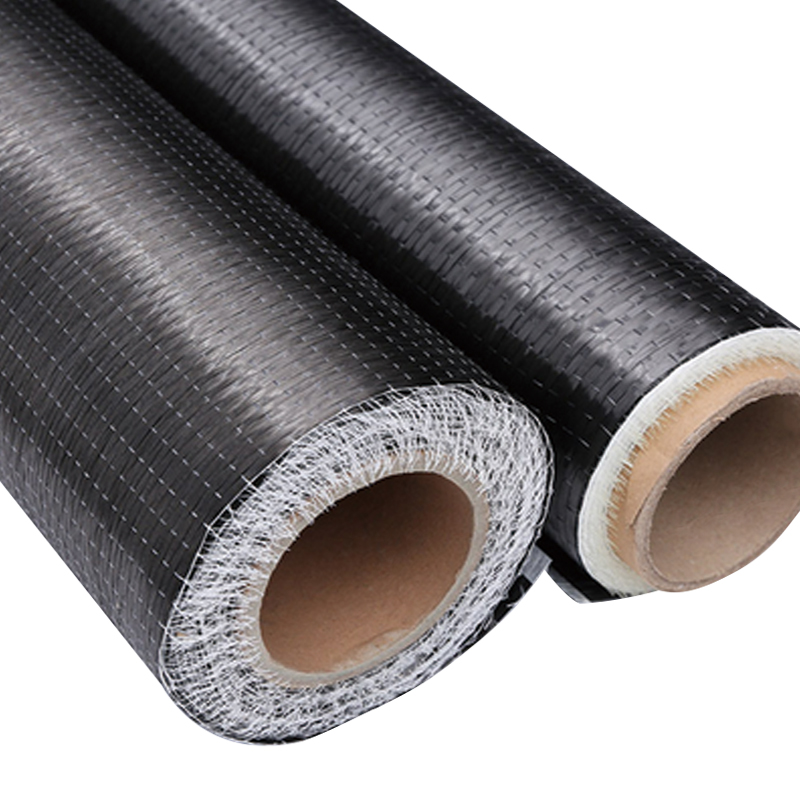
Carbon fiber material is a composite reinforcement built from thin, high-strength filaments of mostly carbon atoms, bonded within a resin matrix to form a rigid, lightweight structure. Its defining characteristic is a strength-to-weight ratio that significantly exceeds that of common metals, making it a preferred structural material wherever weight reduction and stiffness both matter.
Composition and Characteristics
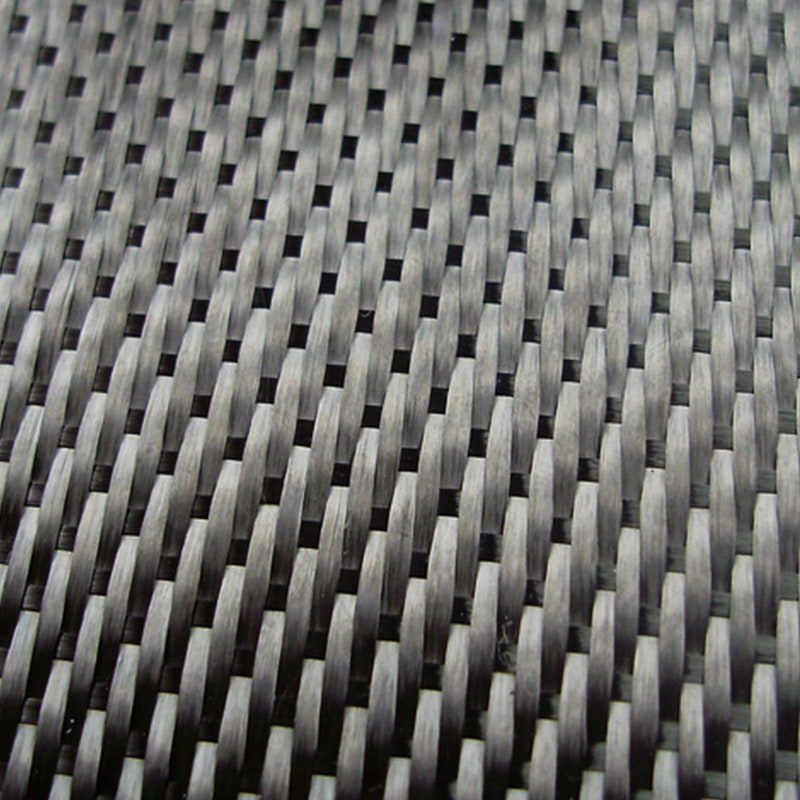
Individual carbon fibers are thinner than a human hair, yet when woven or aligned and set into a resin matrix, they form panels and profiles with high tensile strength and stiffness relative to their weight. Fiber orientation, weave pattern, and resin type all influence the final mechanical behavior of the finished composite.
Manufacturing Process Overview
Most industrial carbon fiber begins as a PAN (polyacrylonitrile) precursor, which is stabilized, carbonized at high temperature, and surface-treated to improve resin adhesion before being woven into fabric or wound into tow for further processing.
Precursor Stabilization
The PAN precursor fiber is heated in a controlled oxidizing atmosphere to prepare it for the high-temperature stages that follow.
Carbonization
Fibers are heated further in an inert atmosphere, driving off non-carbon elements and leaving a high-strength carbon fiber structure.
Surface Treatment and Sizing
A surface treatment improves resin bonding, while a sizing coat protects the fiber during handling and weaving.
Weaving or Winding
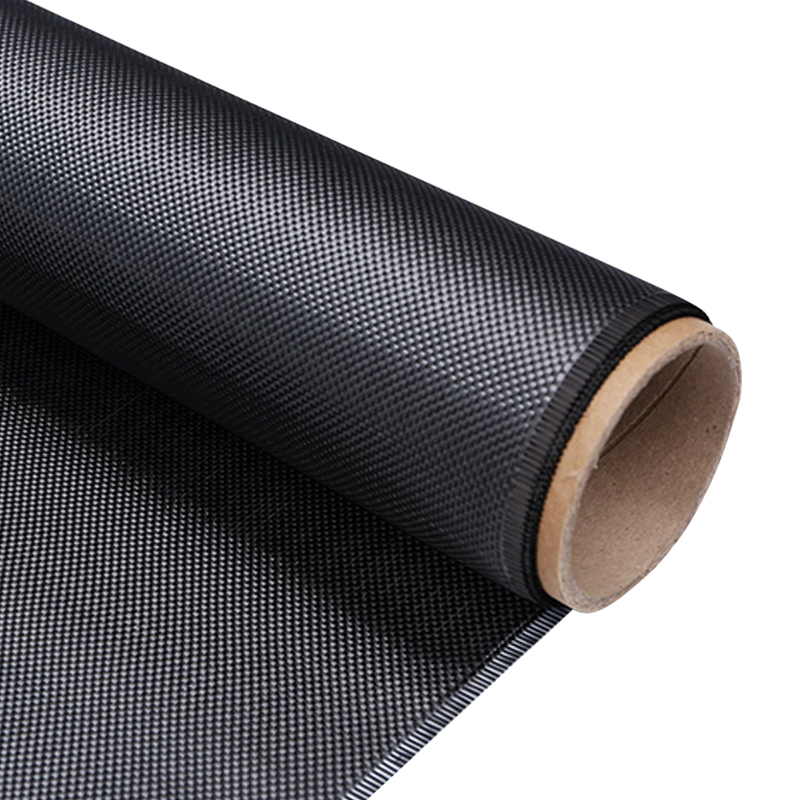
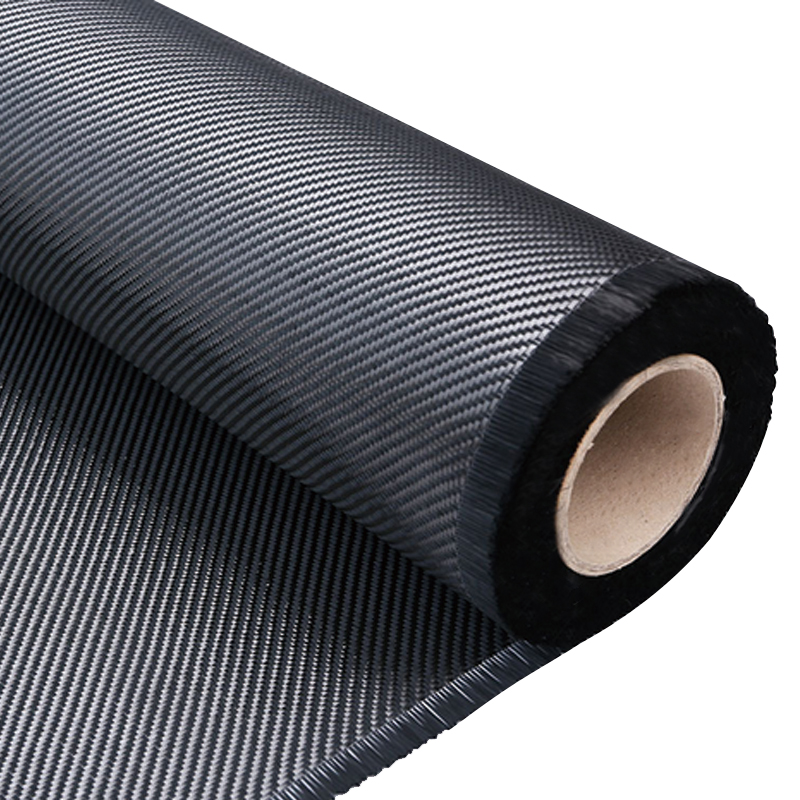
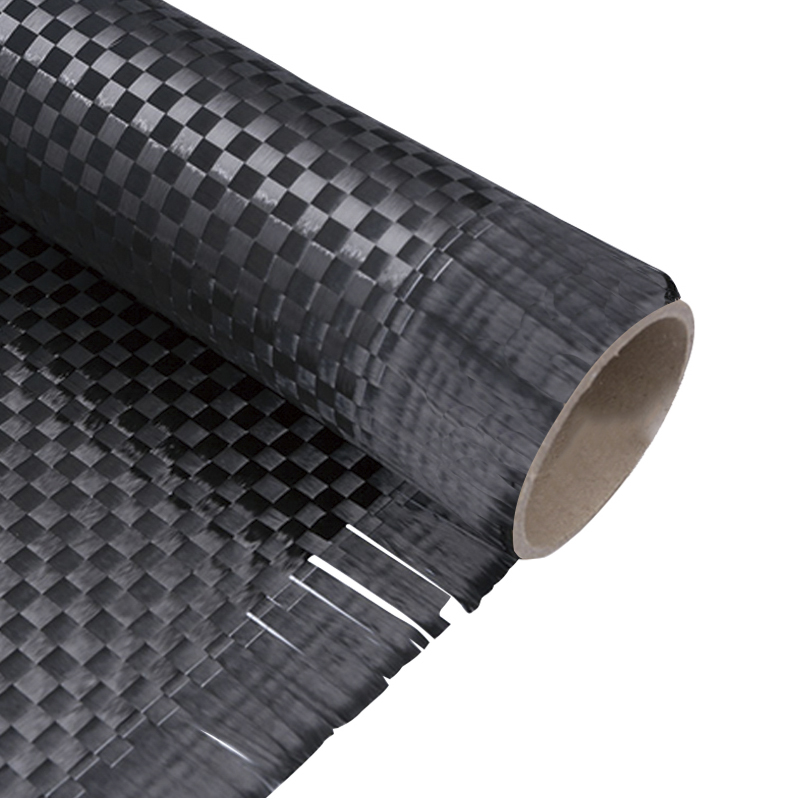
Fibers are woven into fabric, wound into tow, or pre-impregnated with resin to form prepreg material ready for molding.
Types of Carbon Fiber Materials
Carbon fiber is supplied in several forms, each suited to different structural and processing requirements.
| Form | Structure | Typical Use |
| Woven fabric | Interlaced tows, biaxial or unidirectional | Panels, layup structures, repair patches |
| Sheets and plates | Cured flat laminate | Structural panels, machined components |
| Tubes and rods | Filament-wound or pultruded profile | Structural frames, shafts, support arms |
| Prepreg | Fabric pre-impregnated with resin | Aerospace parts, high-precision molding |
Key Performance Properties to Evaluate
Several measurable properties separate one carbon fiber grade from another and determine fitness for a given application.
Strength-to-Weight Ratio
The primary reason carbon fiber replaces metal in weight-sensitive structures.
Stiffness and Stability
High modulus grades resist deflection under load, holding dimensional tolerance.
Corrosion Resistance
Unlike metals, carbon fiber composites do not rust or corrode in wet environments.
Fatigue Resistance
Composite structures tolerate repeated load cycles with minimal strength loss.
Thermal and Electrical Behavior
Carbon fiber conducts electricity and holds dimensional stability across temperature swings.
Applications Across Industries
The combination of low weight and high stiffness makes carbon fiber material relevant across a wide span of industrial sectors.
Automotive Components
Body panels and structural parts engineered to reduce overall vehicle weight.
Aerospace and Aviation
Structural components where strength-to-weight ratio directly affects fuel efficiency.
Industrial Equipment
Machine components benefiting from reduced moving mass and high rigidity.
Renewable Energy
Wind turbine components that require long spans with minimal added weight.
Marine and Sporting Goods
Hulls and equipment where strength and low weight both improve performance.
Structural Reinforcement
CFRP strengthening systems used to reinforce existing concrete and steel structures.
Carbon Fiber Compared with Other Engineering Materials
The choice between carbon fiber and traditional engineering materials generally comes down to weight, cost, and processing requirements.
| Criteria | Carbon Fiber | Aluminum | Steel |
| Weight | Lowest | Moderate | Highest |
| Stiffness-to-weight | Highest | Moderate | Lower |
| Corrosion resistance | Does not corrode | Requires coating | Requires coating |
| Tooling and processing cost | Higher | Lower | Lowest |
How to Choose the Right Carbon Fiber Material
Selecting the right grade and form depends on matching material properties to the mechanical and production requirements of the part.
Confirm the tensile strength and stiffness the part must sustain under working load.
Compare achievable weight savings against the current material baseline.
Account for temperature extremes, moisture, or chemical exposure the part will face in service.
Match the material form to the intended process, such as layup, compression molding, or RTM.
Balance material and tooling cost against the expected production run size.
Common Selection Mistakes
Future Trends in Carbon Fiber Materials
Where Demand Is Growing
Lightweight engineering continues to drive adoption across new sectors, particularly where weight directly affects efficiency.
- Expanding use of carbon fiber in electric vehicle structures to offset battery weight.
- Development of lower-cost, more sustainable carbon fiber manufacturing routes.
- Continued innovation in high-performance resin and fiber combinations.
Conclusion
Choosing the right carbon fiber material means weighing mechanical performance, operating environment, manufacturing compatibility, and production volume against the specific demands of the part. A careful match between material form and application requirement is what turns carbon fiber's strength-to-weight advantage into a dependable, long-service structural result.
Frequently Asked Questions
What is the difference between carbon fiber fabric and prepreg?
Fabric is dry woven material that requires resin to be applied during layup, while prepreg is already impregnated with resin and cured under heat and pressure.
Is carbon fiber stronger than steel?
Carbon fiber offers a higher strength-to-weight ratio than steel, though steel can still outperform it in certain impact and cost-sensitive applications.
Why does carbon fiber cost more than aluminum?
Higher material and tooling costs stem from the precursor manufacturing process and the labor involved in layup and curing.
Can carbon fiber be used outdoors?
Yes, carbon fiber composites resist corrosion well, though the resin matrix should be selected for the expected UV and moisture exposure.
 +86-13961668677
 No. 61, Xingyuan Road, Jiefang Village, Gushan Town, Jiangyin City, Jiangsu Province, China.