 Get In Touch
 English
  中文简体
中文简体 عربى
عربى Tiếng Việt
Content
- 1 Why Carbon Fiber Is Replacing Metal and Fiberglass
- 2 Grades of Carbon Fiber Material
- 3 Carbon Fiber vs Steel, Aluminum, and Fiberglass
- 4 How Carbon Fiber Material Is Manufactured
- 5 Where Carbon Fiber Material Is Used Today
- 6 Choosing the Right Carbon Fiber Grade for Your Project
- 7 Frequently Asked Questions
Engineers switching from steel or aluminum to carbon fiber material are chasing one number: strength-to-weight ratio. Carbon fiber composites deliver aerospace-grade stiffness at a fraction of the mass of traditional metals, while resisting the corrosion and fatigue that eventually wear down conventional structures.
Why Carbon Fiber Is Replacing Metal and Fiberglass
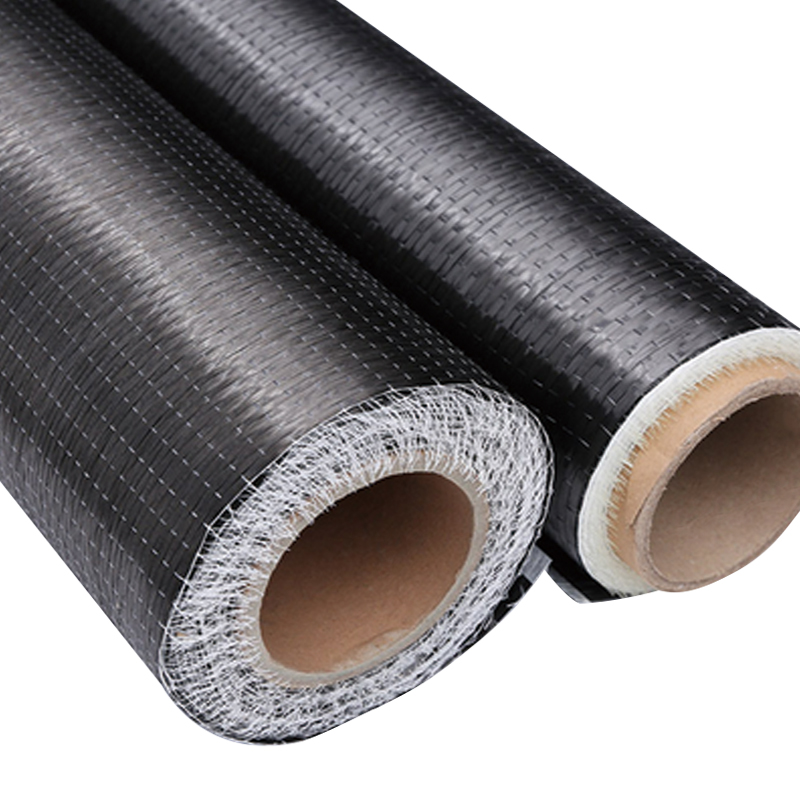
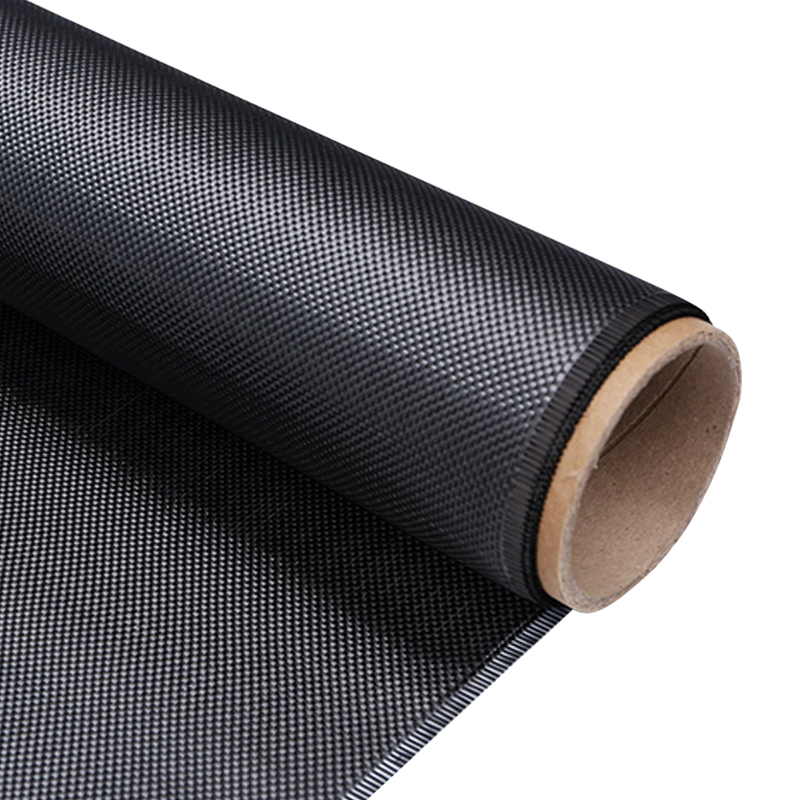
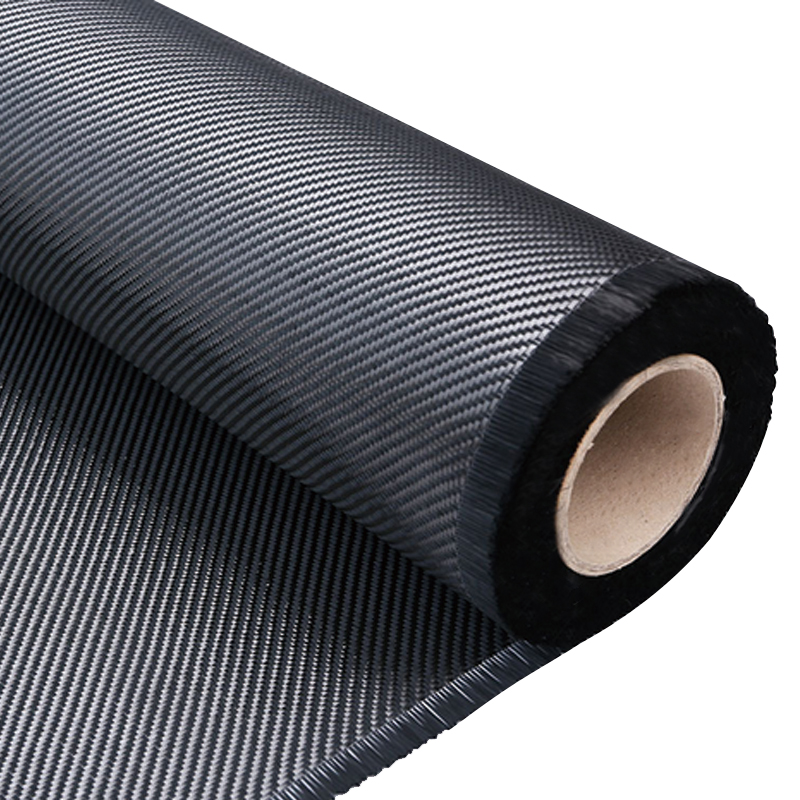
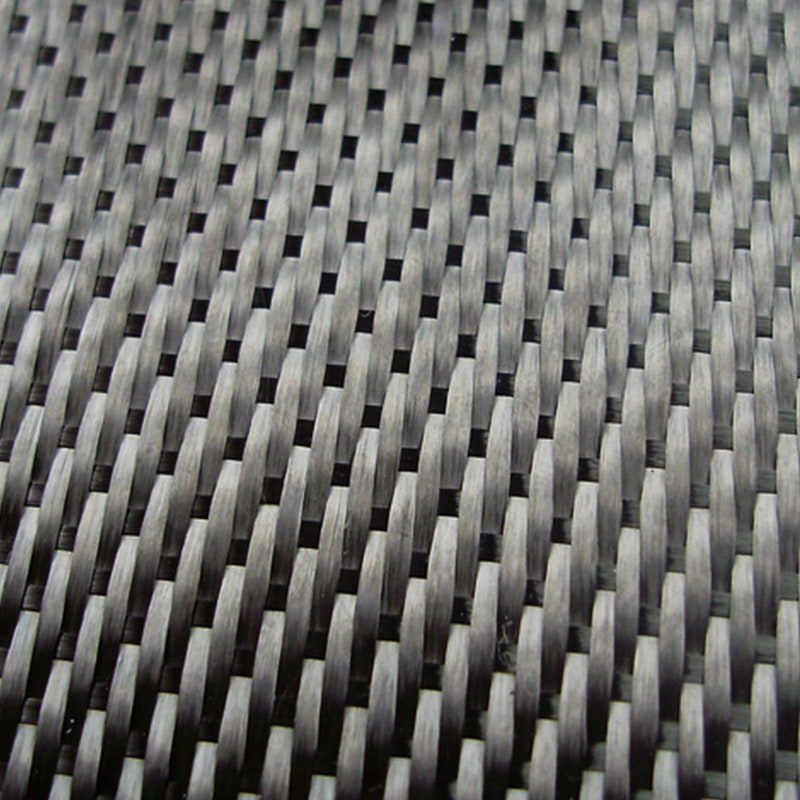
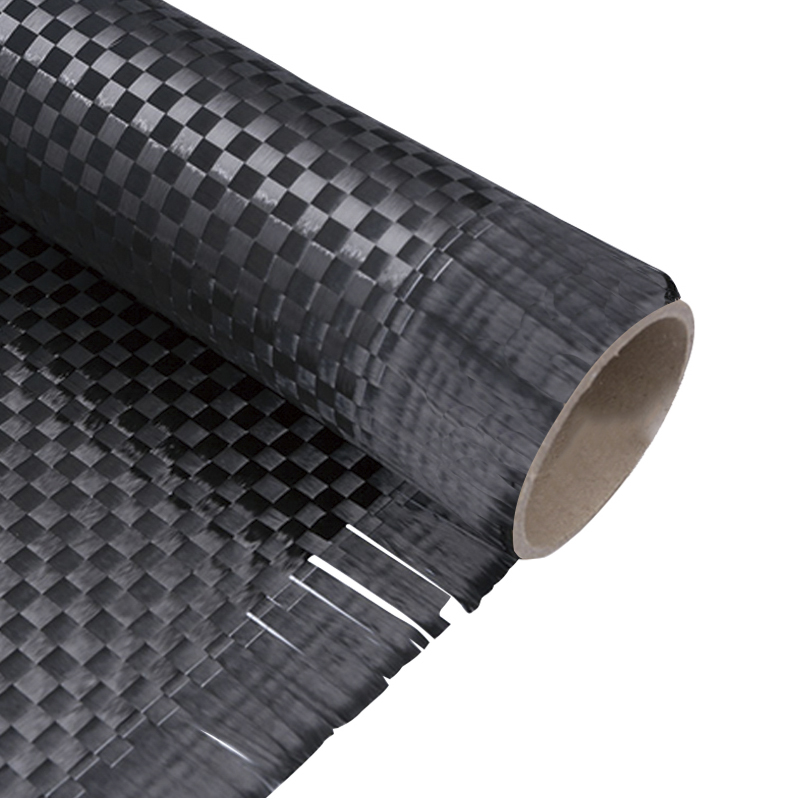
Carbon fiber is a composite built from thin carbon strands bonded in an epoxy or polymer matrix. The fibers carry the load; the matrix holds them in alignment and transfers stress evenly across the structure. This combination produces a material that is stiffer than aluminum, lighter than steel, and far more resistant to environmental degradation than either.
Grades of Carbon Fiber Material
Not all carbon fiber performs the same way, and grade selection determines whether a part meets its load and stiffness targets.
- Standard modulus — balanced strength and cost, used across general industrial parts.
- High strength — built for structural components under heavy repeated loading.
- High modulus — maximum stiffness, reserved for aerospace and precision instruments.
Carbon Fiber vs Steel, Aluminum, and Fiberglass
The clearest way to compare materials is side by side across the properties that matter most in structural design: weight, stiffness, corrosion behavior, and long-term fatigue life.
| Property | Carbon Fiber | Steel | Aluminum | Fiberglass |
| Weight | Very light | Heavy | Light | Light |
| Strength-to-weight | Excellent | Moderate | Good | Good |
| Corrosion resistance | Excellent | Needs coating | Moderate | Excellent |
| Fatigue resistance | Excellent | Good | Moderate | Good |
| Relative cost | Higher | Lower | Medium | Lower |
A part that never corrodes and rarely fatigues costs less over its lifetime than a cheaper one that needs recoating and replacement every few seasons.
How Carbon Fiber Material Is Manufactured
Every roll of carbon fiber goes through the same core sequence before it becomes a finished composite part.
Precursor preparation
PAN or pitch-based fibers are spun as the starting material for the entire process.
Stabilization
Controlled heating rearranges the fiber's molecular structure for stability.
Carbonization
High-temperature treatment removes non-carbon elements, leaving a dense carbon lattice.
Surface treatment
Fiber surfaces are treated to improve bonding with the resin matrix.
Composite forming
Resin transfer molding, filament winding, or prepreg layup shapes the final part.
Where Carbon Fiber Material Is Used Today
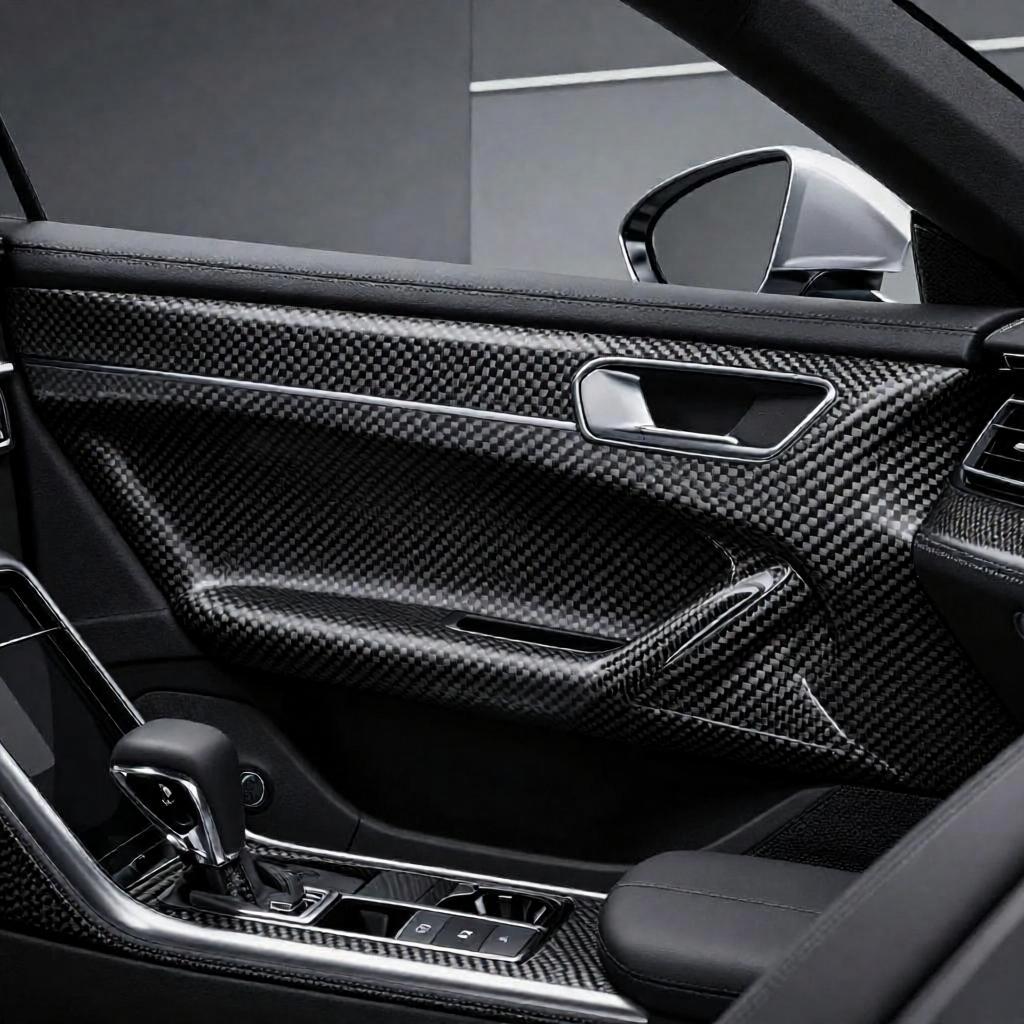
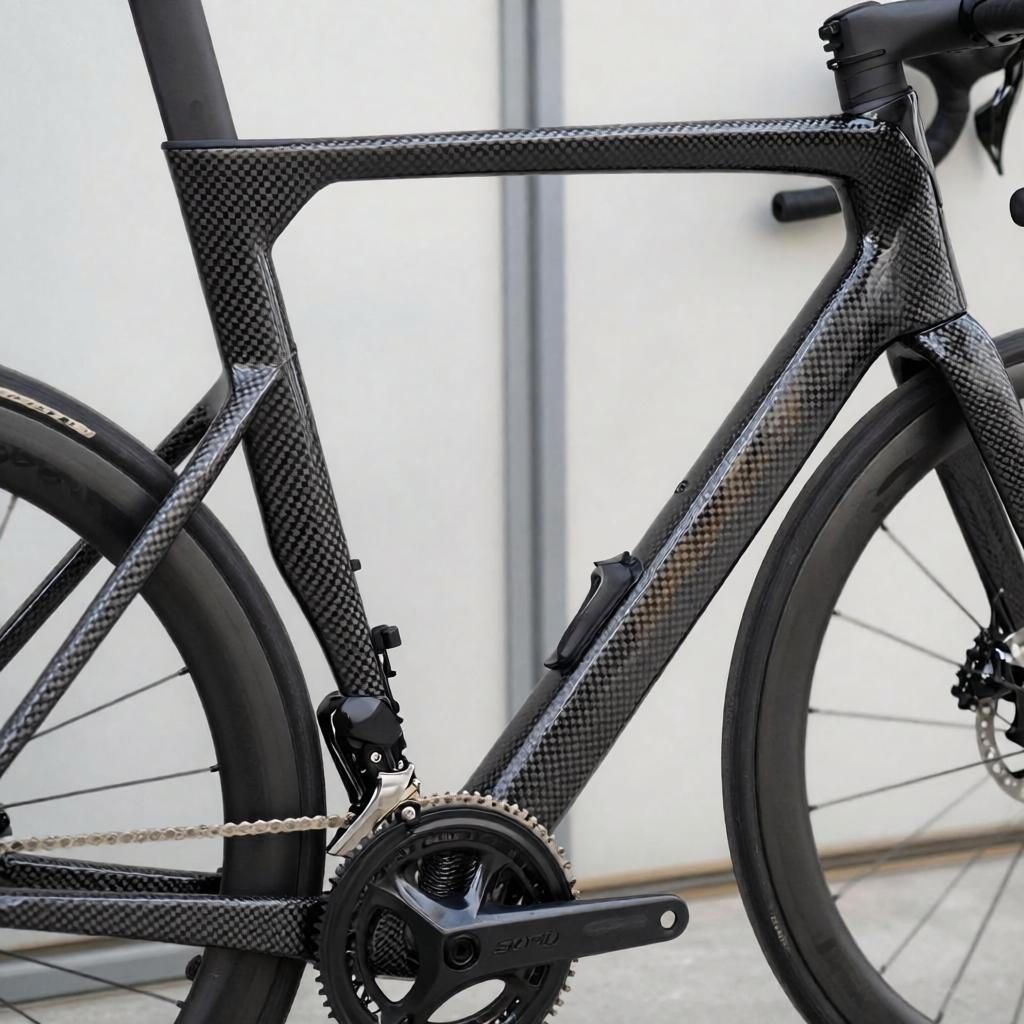
Aerospace manufacturers rely on it for wings, fuselage sections, and interior structures where every gram saved improves fuel efficiency. Automotive teams use it in body panels and chassis components to cut vehicle weight without sacrificing crash performance. Wind turbine blades, marine hulls, bicycles, and pressure vessels round out the list of applications where strength, weight, and durability all matter at once.
Choosing the Right Carbon Fiber Grade for Your Project
- Match fiber grade to actual load and stiffness requirements, not just budget
- Confirm resin compatibility with your chosen manufacturing method
- Factor in production volume when selecting between prepreg and resin transfer molding
- Prioritize consistent material quality and technical support from your supplier
Frequently Asked Questions
Is carbon fiber material always better than aluminum?
Not always. Aluminum remains more cost-effective for lower-load applications, but where stiffness and weight reduction are critical, carbon fiber material typically outperforms it.
How long does carbon fiber material last compared to steel?
Carbon fiber does not corrode and resists fatigue better than steel, often extending service life significantly in demanding environments like marine or aerospace use.
Why does carbon fiber material cost more than fiberglass?
Higher raw fiber cost and more complex manufacturing processes drive the price up, but the stiffness and weight savings often justify it in performance-critical parts.
Can carbon fiber material be recycled?
Yes. Recycled carbon fiber and lower-energy production methods are an active area of development as demand for sustainable composites grows.
From aerospace structures to electric vehicle components, carbon fiber material continues to displace steel, aluminum, and fiberglass wherever weight, stiffness, and long-term durability outweigh upfront cost.
 |
 |
 +86-13961668677
 No. 61, Xingyuan Road, Jiefang Village, Gushan Town, Jiangyin City, Jiangsu Province, China.