 Get In Touch
 English
  中文简体
中文简体 عربى
عربى Tiếng Việt
Content
- 1 What Is Carbon Fiber Material and Why Manufacturing Precision Matters
- 2 The Multi-Stage Manufacturing Process: From Precursor to Final Composite
- 3 Key Manufacturing Parameters That Define Quality
- 4 Industrial Applications Across Major Sectors
- 5 Critical Quality Control Parameters
- 6 Manufacturing Challenges and Industry Solutions
- 7 Frequently Asked Questions on Carbon Fiber Manufacturing
Carbon fiber material manufacturing represents one of the most sophisticated advanced manufacturing processes in modern industry. From precursor selection to final composite assembly, each stage demands precise control to achieve the exceptional strength-to-weight ratios that define carbon fiber material performance. This guide explores the complete manufacturing journey that transforms raw materials into high-performance components for aerospace, automotive, energy, and industrial applications.
What Is Carbon Fiber Material and Why Manufacturing Precision Matters
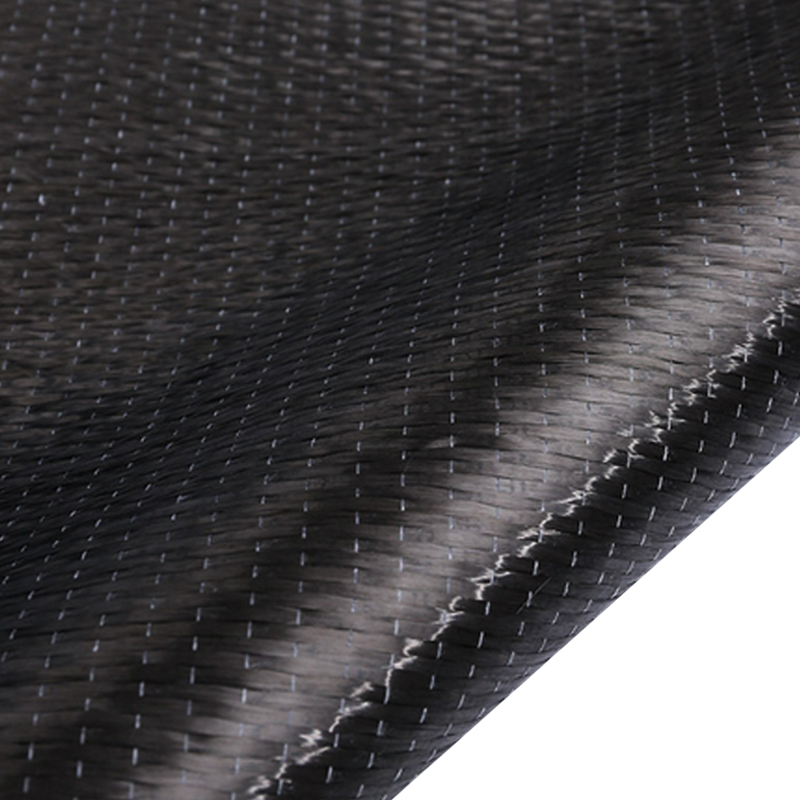
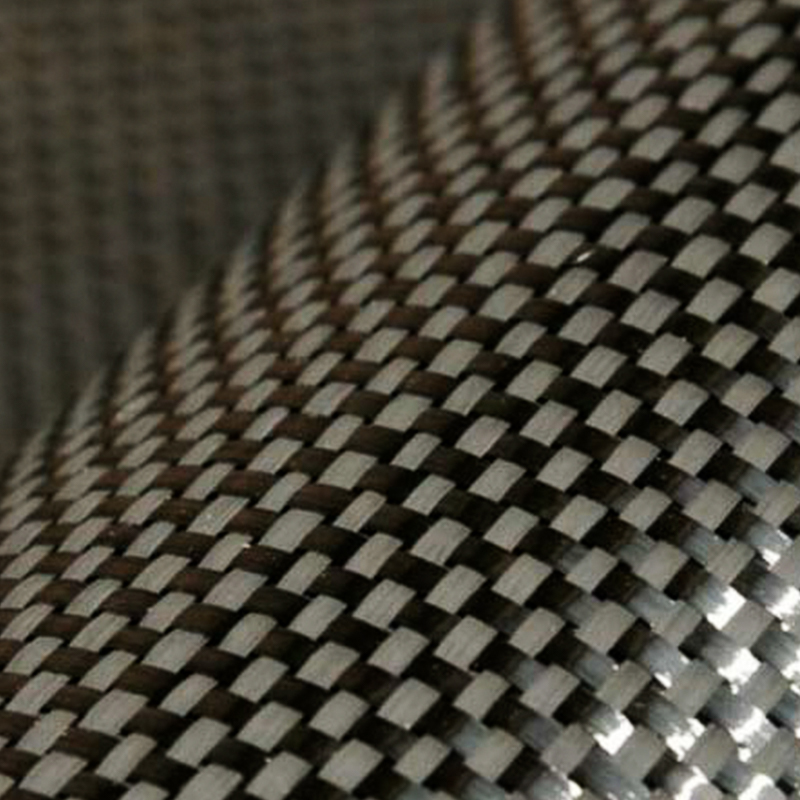
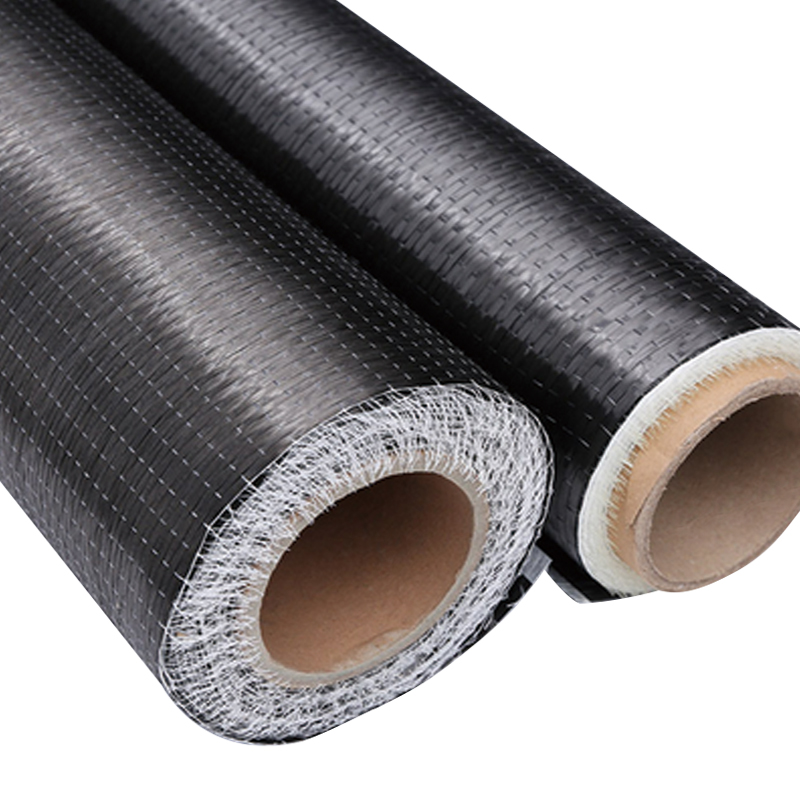
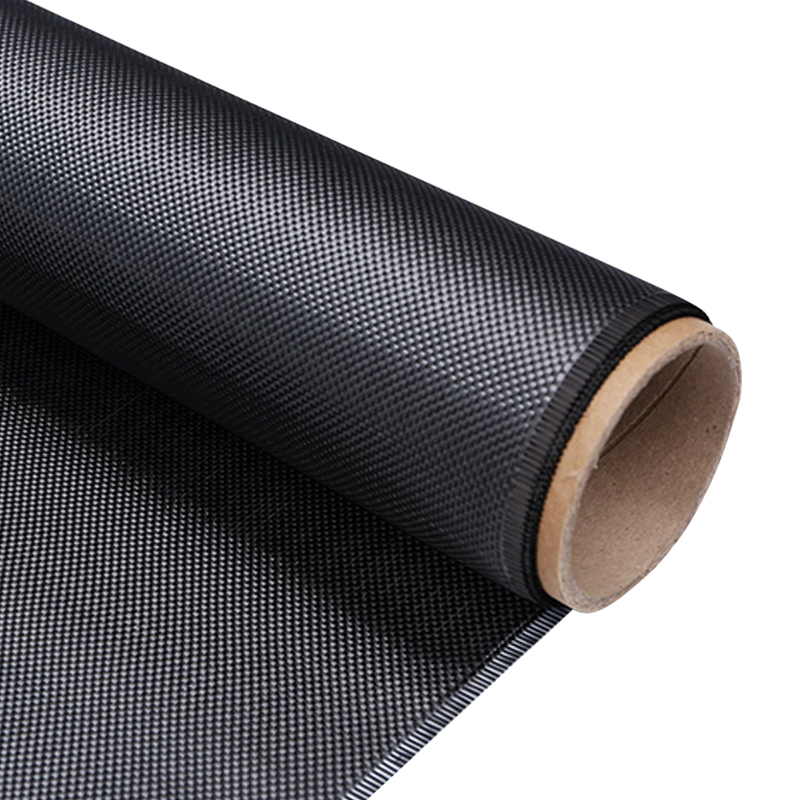
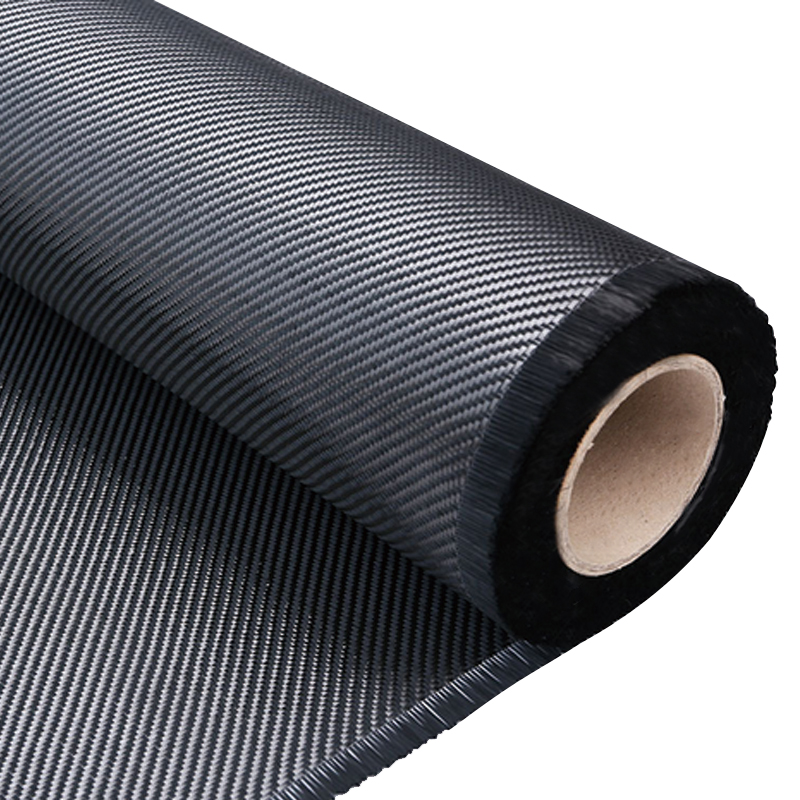
Carbon fiber is a lightweight composite material combining carbon filaments with resin matrices to create structures with exceptional tensile strength, stiffness, and durability. Unlike traditional metals, carbon fiber material delivers high strength at significantly reduced weight—a critical advantage for aerospace platforms where every kilogram impacts fuel efficiency and payload capacity.
The manufacturing process determines whether the final product meets aerospace-grade specifications or serves general industrial applications. A single process deviation—temperature variance during carbonization, insufficient sizing uniformity, or improper fiber alignment—cascades through to weaker composites, shortened service life, and potential failure in critical applications.
The Multi-Stage Manufacturing Process: From Precursor to Final Composite
Carbon fiber manufacturing is not a single operation—it is an integrated sequence of seven distinct stages, each building on the precision of the previous step. Understanding this process reveals why quality manufacturers command premium pricing and why aerospace OEMs demand certified supply chains.
Precursor Fiber Spinning
Polyacrylonitrile (PAN) or pitch-based polymers are dissolved, mixed, and spun into fine fibers. Fiber diameter and molecular alignment at this stage directly determine final tensile strength and elastic modulus. Even 1% variation in spinning tension cascades to 5–10% strength variance in finished composites.
Stabilization (Oxidation)
Precursor fibers undergo controlled oxidation in oxygen-rich environments (150–250°C). This chemically transforms polymer chains, crosslinking them to survive the extreme heat ahead. Stabilization prevents fiber degradation during carbonization.
Carbonization (Primary Heating)
Fibers are heated to 1000–2000°C in inert nitrogen atmosphere. Non-carbon elements (hydrogen, oxygen, nitrogen) volatilize, leaving behind a carbon-rich crystalline structure. This stage determines the mechanical properties that define whether fibers meet aerospace or industrial specifications.
Graphitization (Optional)
For high-modulus grades, fibers undergo additional heating to 2500–3000°C. This aligns carbon crystal lattices further, increasing stiffness and thermal conductivity. Used exclusively for aerospace and precision applications where cost justifies the energy investment.
Surface Treatment
Carbonized fibers are chemically etched or oxidized to improve fiber-resin adhesion. Poor surface treatment results in delamination failures—the fibers peel apart from the resin matrix under load.
Sizing Application
A thin polymer coating is applied to protect fibers, improve handling, and enhance resin compatibility. Sizing formulation depends on the intended resin system (epoxy, polyester, vinyl ester).
Composite Manufacturing
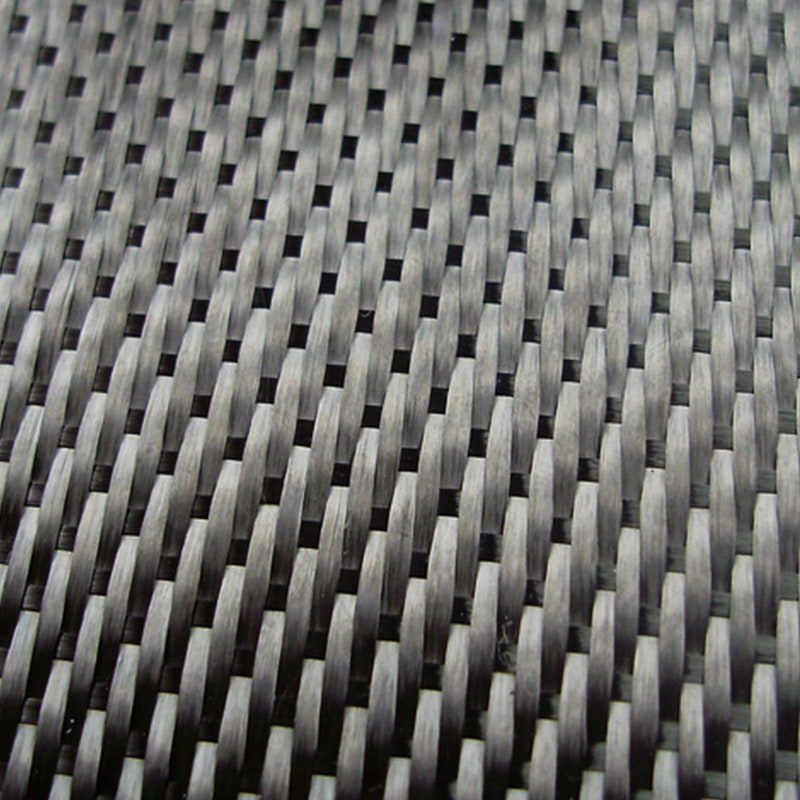
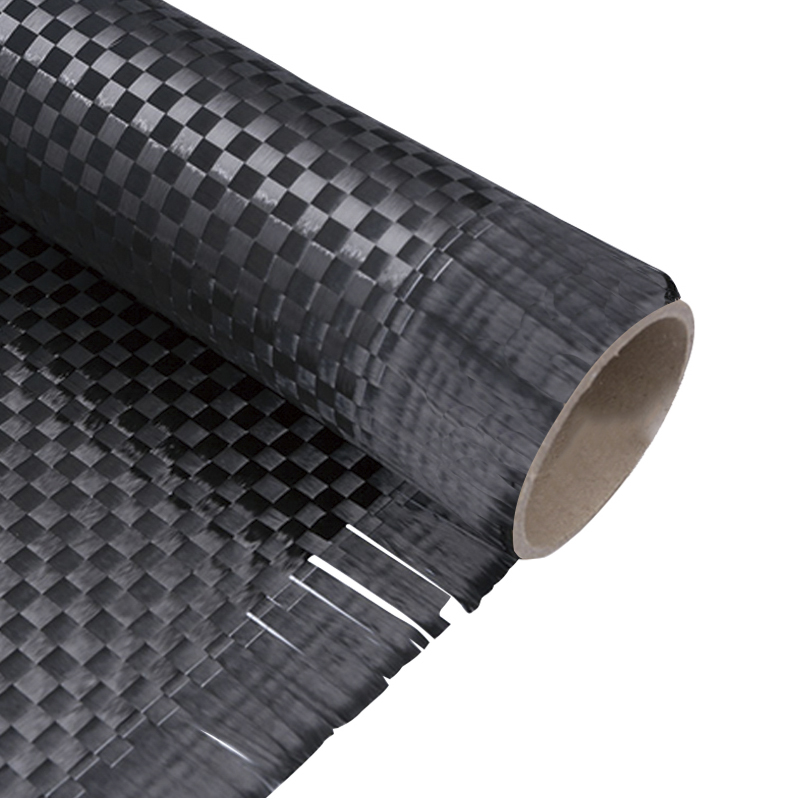
Sized fibers are combined with resin matrices through prepreg, resin transfer molding (RTM), filament winding, or other methods. Final mechanical properties emerge from fiber orientation, fiber-matrix adhesion, void content, and curing conditions.
Key Manufacturing Parameters That Define Quality
Industrial carbon fiber producers control dozens of process variables. The most critical parameters—temperature, heating rate, fiber tension, and atmosphere composition—directly predict final material performance.
Industrial Applications Across Major Sectors
Carbon fiber composite demand spans aerospace, automotive, energy, and industrial markets. Each sector demands different performance specifications, driving manufacturing variety and quality tiering.
Critical Quality Control Parameters
Manufacturers employ rigorous testing at each production stage. Defects caught early prevent costly scrap; defects missed create field failures in aircraft or wind turbines.
Mechanical Testing
Tensile strength, elastic modulus, and shear properties are measured per ASTM D3379. Each batch must achieve minimum thresholds before composite processing begins.
Surface Analysis
Fiber diameter uniformity, surface coating thickness, and contamination levels are inspected via scanning electron microscopy (SEM) and optical analysis.
Composite Performance
Final composites undergo matrix-dominated testing (interlaminar shear strength) and fiber-dominated testing (fiber tensile strength) to validate manufacturing integrity.
Manufacturing Challenges and Industry Solutions
Temperature Control Precision
Challenge: Carbonization ovens must maintain ±5°C accuracy across fiber bundles. Temperature gradients cause property scatter.
Solution: Modern facilities deploy real-time infrared monitoring, multi-zone heating, and automated feedback systems.
Fiber Alignment
Challenge: Misaligned fibers waste expensive feedstock and reduce mechanical performance.
Solution: Advanced tension control systems and laser-guided fiber guidance maintain alignment within 0.5°.
Sizing Uniformity
Challenge: Inconsistent sizing application reduces fiber-matrix adhesion and creates delamination risk.
Solution: Automated sizing application with real-time weight monitoring and batch traceability.
Cost Reduction
Challenge: Energy costs for high-temperature processing consume 30–40% of manufacturing expense.
Solution: Waste heat recovery, process optimization, and alternative precursor materials (pitch-based fibers) offer 15–25% cost reductions.
Frequently Asked Questions on Carbon Fiber Manufacturing
Why is carbonization temperature so critical to fiber properties?
Carbonization temperature directly controls crystal structure and atomic alignment. At 1200°C, carbon atoms remain relatively disordered, yielding modulus around 2.8 GPa but lower cost. At 2000°C, thermal energy drives graphitic lattice formation, increasing modulus to 5.5+ GPa. The energy required for high-temperature processing justifies the cost premium only for aerospace and precision applications.
What is the difference between PAN and pitch-based carbon fibers?
Polyacrylonitrile (PAN) precursors yield high-strength fibers ideal for primary structural components. Pitch-based precursors produce high-modulus, high-thermal-conductivity fibers suited for thermal management, stiffness-critical structures, and specialized applications. Most aerospace uses PAN; specialized platforms add pitch-based fibers for specific regions.
How does sizing affect composite performance?
Sizing creates a nanometer-thick protective layer improving fiber-matrix adhesion and processing handling. Poor sizing leads to matrix-dominated failures (fiber pull-out, delamination). Epoxy-compatible sizing differs from polyester or vinyl ester sizing, so manufacturers must match sizing chemistry to intended resin systems.
What manufacturing defects create field failures?
The primary field failure modes trace to: (1) inadequate fiber-matrix adhesion from poor surface treatment or sizing, (2) thermal degradation from temperature excursions during processing, and (3) fiber misalignment causing load redistribution and premature matrix cracking. Quality manufacturing controls prevent these through real-time monitoring and traceability systems.
 |
 |
 +86-13961668677
 No. 61, Xingyuan Road, Jiefang Village, Gushan Town, Jiangyin City, Jiangsu Province, China.