 Get In Touch
 English
  中文简体
中文简体 عربى
عربى Tiếng Việt
Content
- 1 1. The Composition of Colored Composites: Hybrid Weaves vs. Coating
- 2 2. Resin Interfacial Bonding and Purification Standards
- 3 3. Durability and Environmental Resistance
- 4 Conclusion: Aesthetics Meeting Engineering
- 4.1 Frequently Asked Questions (FAQ)
- 4.1.1 1. Is colored carbon fiber cloth as strong as the standard black version?
- 4.1.2 2. Does the color in colored carbon fiber cloth fade over time?
- 4.1.3 3. Can I use colored carbon fiber cloth for structural aerospace parts?
- 4.1.4 4. What is the most durable colored carbon fiber cloth manufacturing process?
- 4.1.5 5. How to maintain the color of carbon fiber cloth in automotive use?
- 4.2 Industry References
- 4.1 Frequently Asked Questions (FAQ)
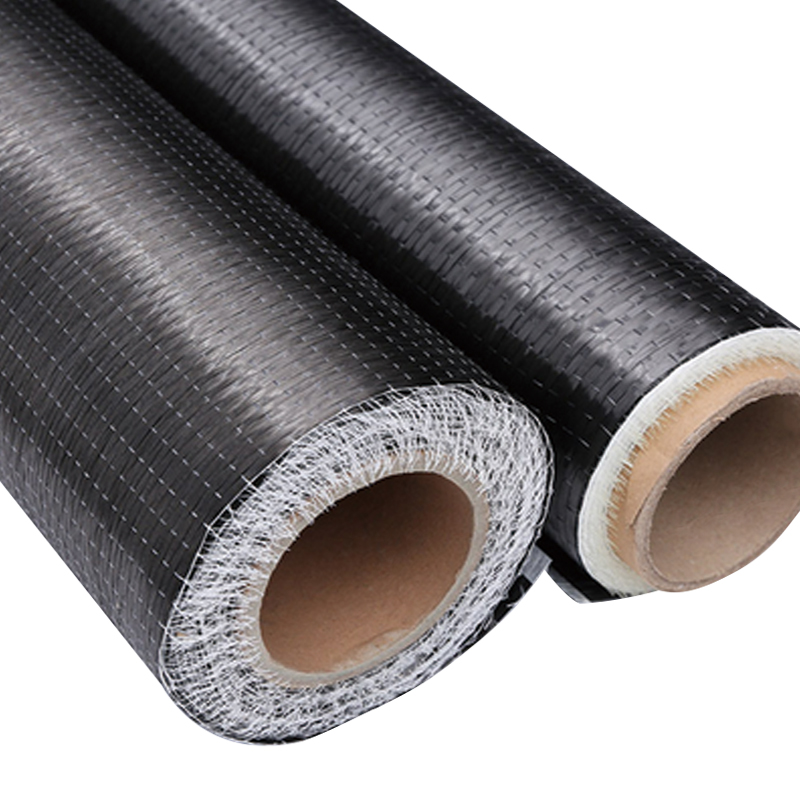
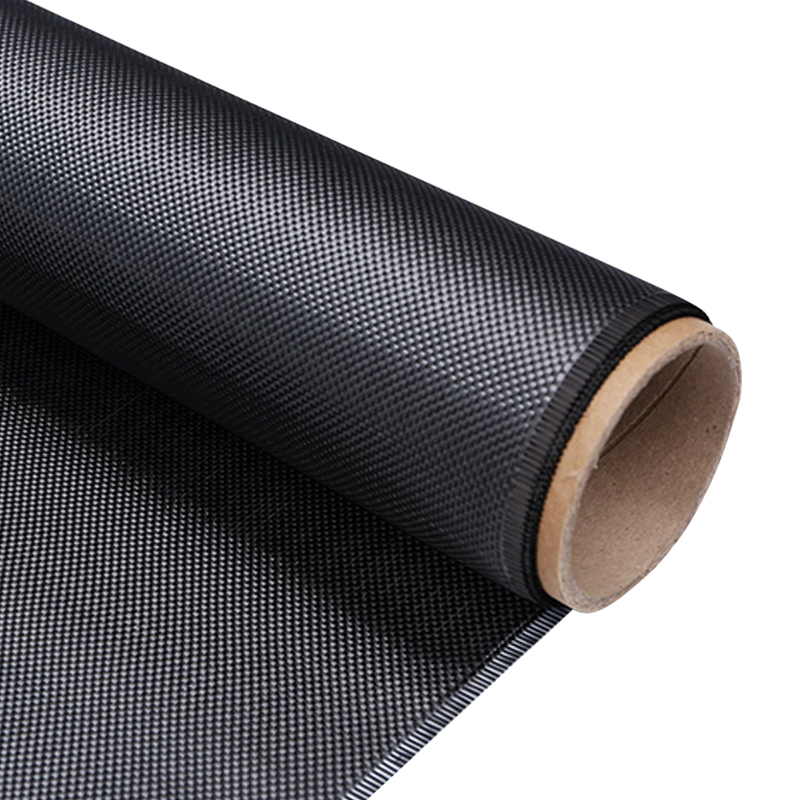
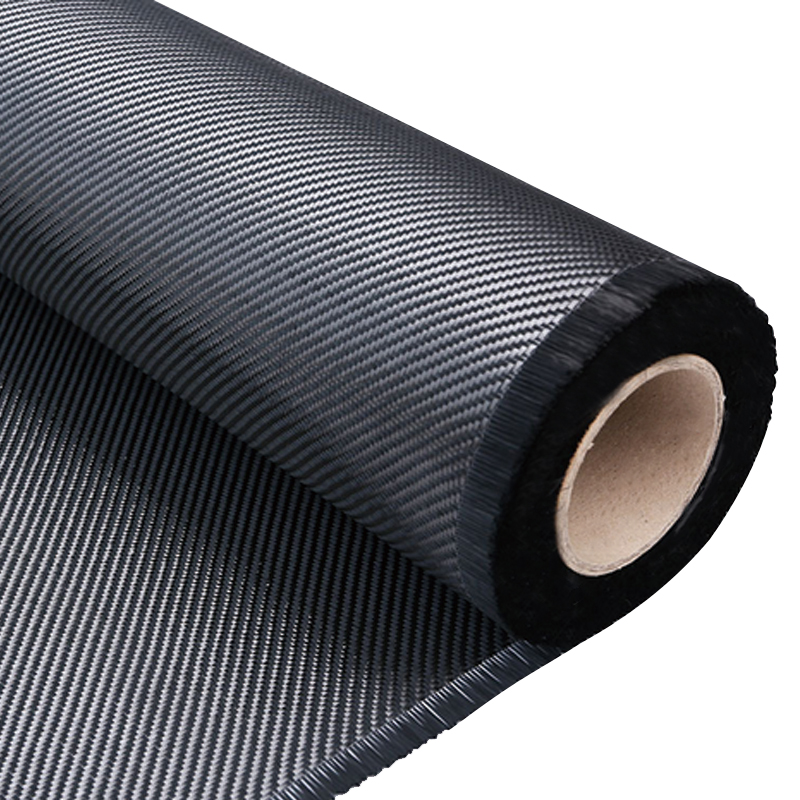
In the evolving landscape of advanced materials, the demand for visual distinction has led to the rise of colored carbon fiber cloth. Traditionally, carbon fiber is prized for its high strength-to-weight ratio and distinct black weave. However, as sectors like automotive styling and high-end consumer electronics seek unique branding, the integration of color becomes paramount. The central engineering concern remains: does adding color interfere with the fiber-matrix bond or the tensile properties of the laminate? At Jiangyin Dongli New Materials Technology Co., Ltd., we operate a 32,000-square-meter industrial complex, utilizing 100,000-grade purification zones to ensure that our colored carbon fiber cloth meets the rigorous standards of aerospace and automotive manufacturing. By controlling the weaving and prepreg processes, we ensure that aesthetic innovation does not come at the expense of mechanical reliability.
1. The Composition of Colored Composites: Hybrid Weaves vs. Coating
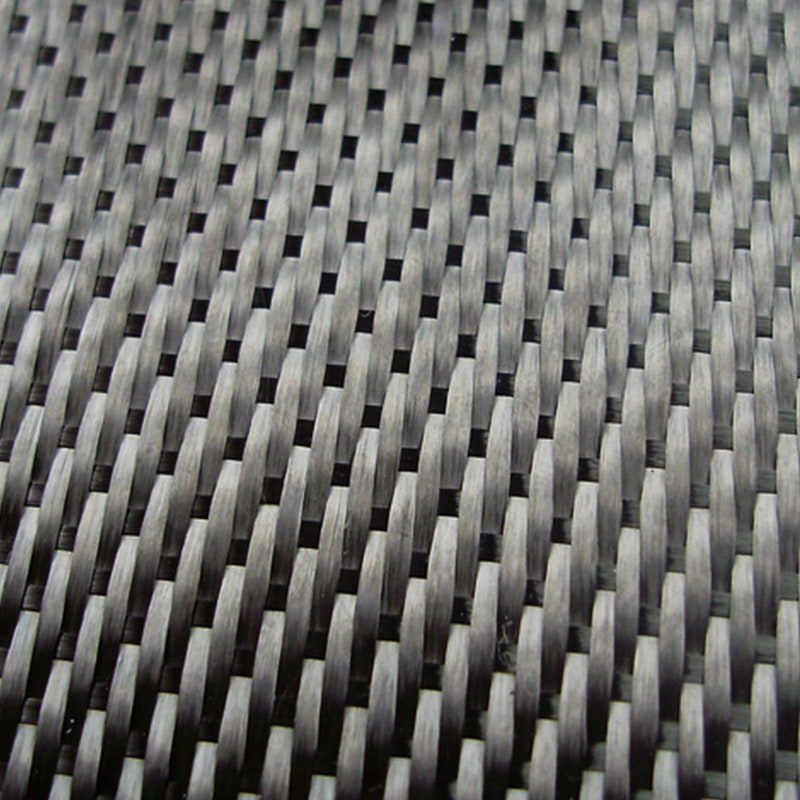
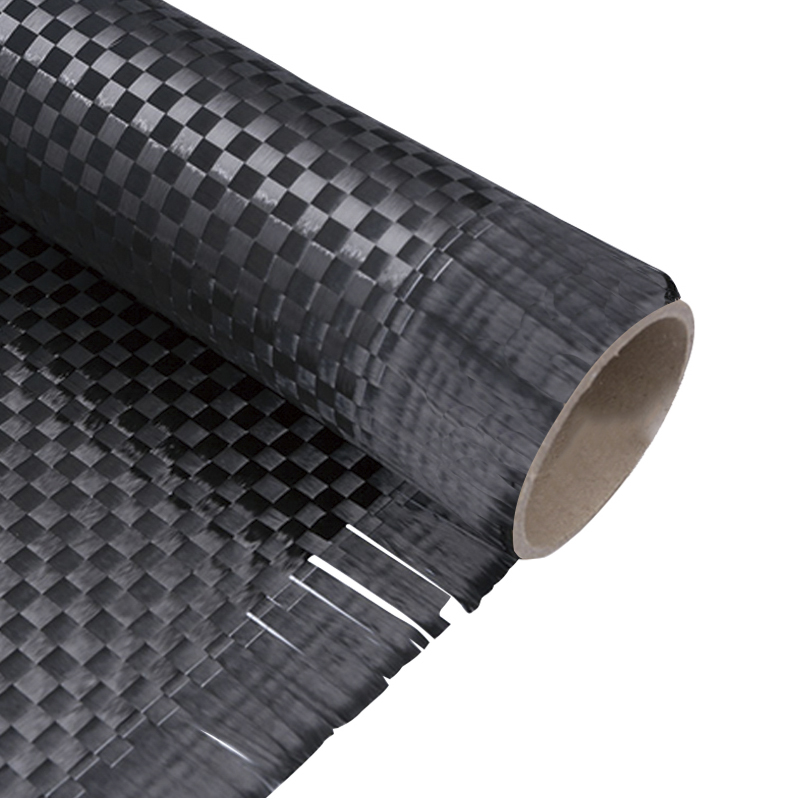
The method of coloring significantly dictates the final mechanical properties. Most high-performance colored carbon fiber cloth is actually a carbon fiber hybrid fabric, which interlaces carbon filaments with colored aramid (Kevlar) or metallic-coated glass fibers. While pure carbon fiber provides exceptional stiffness, the hybrid approach introduces high impact resistance and toughness. When comparing colored vs black carbon fiber mechanical properties, a hybrid weave typically shows a slight reduction in absolute tensile modulus but a significant increase in fracture toughness. Conversely, surface coated colored carbon fiber cloth—where a tint is applied directly to the resin—maintains the original fiber's strength but may face challenges with UV degradation and interlaminar shear strength. For high performance applications of colored carbon fiber, choosing a hybrid weave is generally the preferred engineering route.
Mechanical Profile Comparison
- Tensile Strength: Hybrid fabrics retain approximately 85-95% of the tensile strength of standard 3K carbon weaves.
- Impact Resistance: The inclusion of aramid or thermoplastic fibers in colored variants often enhances the material's energy absorption.
- Aesthetic Versatility
| Material Type | Standard 3K Carbon Fiber | Carbon Fiber Hybrid Fabric (Colored) |
| Tensile Modulus | Very High (230-250 GPa) | High (Dependent on hybrid ratio) |
| Impact Toughness | Brittle | High (Excellent energy absorption) |
2. Resin Interfacial Bonding and Purification Standards
A critical factor in identifying high quality colored carbon fiber cloth is the quality of the "sizing" or the chemical coupling agent used on the fibers. In a colored carbon fiber cloth manufacturing process, any contamination or incompatible pigment can lead to delamination. This is why using colored carbon fiber in automotive manufacturing requires precision-controlled production environments. At Jiangyin Dongli, our climate-regulated workshops ensure that the weight and thickness of colored carbon fiber cloth remain consistent, preventing resin-rich or resin-starved areas during the Autoclave or RTM (Resin Transfer Molding) process. If the pigment or secondary fiber interferes with the resin's ability to "wet out" the carbon, the structural integrity is compromised. Therefore, thermal stability of colored carbon fiber composites must be validated through rigorous testing to ensure the colorants do not degrade under operational heat.
Structural Integrity Sequence
- Fiber Sizing: Ensuring chemical compatibility between the colored filament and the epoxy matrix.
- Weave Symmetry: Maintaining balanced tension in colored carbon fiber cloth to prevent warping during cure.
- Purification: Operating in 100,000-grade zones to eliminate airborne particulates that cause interlaminar voids.
3. Durability and Environmental Resistance
Beyond initial strength, colored carbon fiber cloth durability and longevity are essential for aerospace and sports equipment. A common question is: how to maintain the color of carbon fiber cloth without affecting the structural resin? The answer lies in UV-stabilized clear coats and specialized resins. While colored carbon fiber cloth for aerospace engineering must pass strict fire, smoke, and toxicity (FST) tests, automotive parts focus more on stone-chip resistance. UV resistance in colored carbon fiber fabrics is achieved through advanced spraying technologies that provide a protective barrier without adding excessive weight. When choosing colored carbon fiber for sports equipment, the focus is often on the balance between "the look" and the fatigue life of the composite under cyclic loading.
| Environmental Stress | Standard Black Carbon | Colored Carbon Fiber Cloth |
| UV Exposure | High Resistance | Requires UV-stabilized Topcoat |
| Fatigue Life | Excellent | Excellent (If hybrid aramid is used) |
| Chemical Resistance | High | High (Resin-dependent) |
Conclusion: Aesthetics Meeting Engineering
In conclusion, colored carbon fiber cloth does not inherently compromise structural integrity, provided it is manufactured using high-end carbon fiber hybrid fabric techniques and processed in controlled environments. By integrating material innovation with engineering expertise, Jiangyin Dongli New Materials Technology Co., Ltd. provides composite solutions that satisfy both the designer's eye and the engineer's safety requirements. Whether utilizing Autoclave, RTM, or PCM technologies, the key to success is a full-process control that ensures the visual finish serves to enhance, rather than hinder, the high-performance application.
Frequently Asked Questions (FAQ)
1. Is colored carbon fiber cloth as strong as the standard black version?
For most applications, yes. While absolute stiffness might be slightly lower in hybrid weaves, the impact resistance is often better. For non-critical aesthetic parts, the difference is negligible.
2. Does the color in colored carbon fiber cloth fade over time?
If the UV resistance in colored carbon fiber fabrics is properly addressed with high-quality resins and clear coats, the color can last for the entire lifespan of the product without significant fading.
3. Can I use colored carbon fiber cloth for structural aerospace parts?
Yes, but it requires rigorous certification. Most colored carbon fiber cloth for aerospace engineering is used in interiors or non-primary structural components where aesthetic impact is desired.
4. What is the most durable colored carbon fiber cloth manufacturing process?
The Autoclave process remains the gold standard for durability, as it ensures the highest fiber-to-resin ratio and eliminates voids that could be caused by the introduction of colored filaments.
5. How to maintain the color of carbon fiber cloth in automotive use?
Maintenance is similar to automotive paint. Regular cleaning and the application of a UV-protective wax or ceramic coating will keep the aesthetic finish vibrant while protecting the underlying composite structure.
Industry References
- ASTM D3039: Standard Test Method for Tensile Properties of Polymer Matrix Composite Materials.
- ISO 14125: Fibre-reinforced plastic composites — Determination of flexural properties.
- Jiangyin Dongli Internal Lab Report: "Interfacial Shear Strength in Aramid-Carbon Hybrid Weaves" (2025).
- Advanced Composites Manufacturing Guide: "Thermal Stability of Pigmented Epoxy Systems in RTM."
 +86-13961668677
 No. 61, Xingyuan Road, Jiefang Village, Gushan Town, Jiangyin City, Jiangsu Province, China.