 Get In Touch
 English
  中文简体
中文简体 عربى
عربى Tiếng Việt
Content
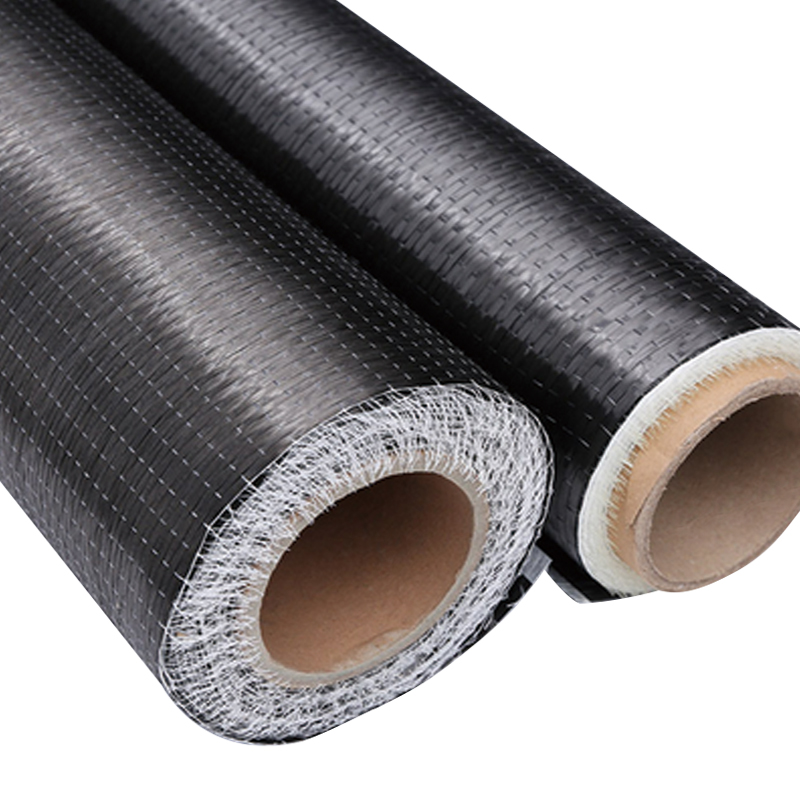
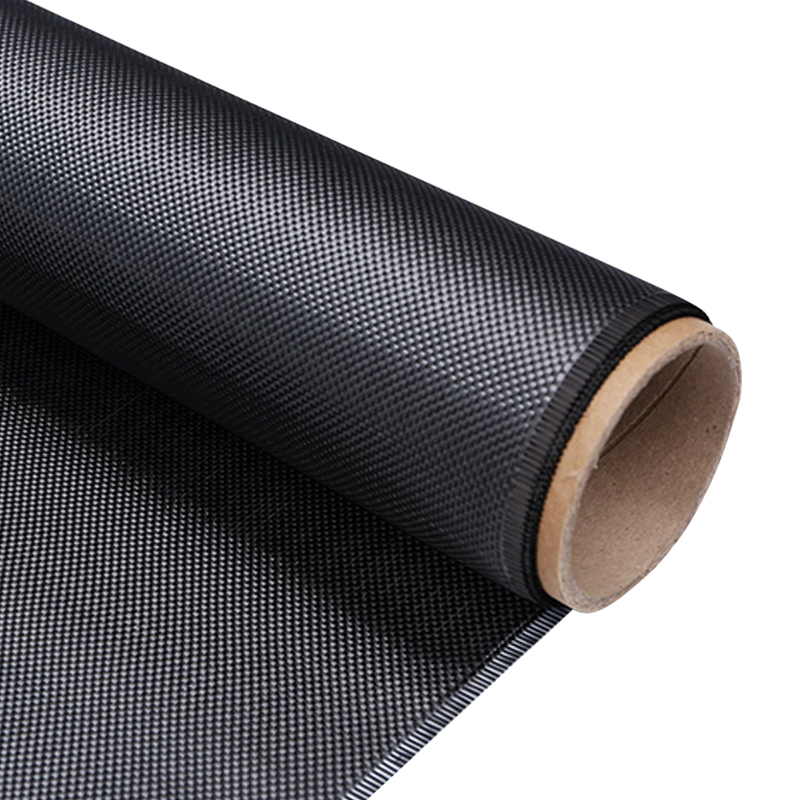
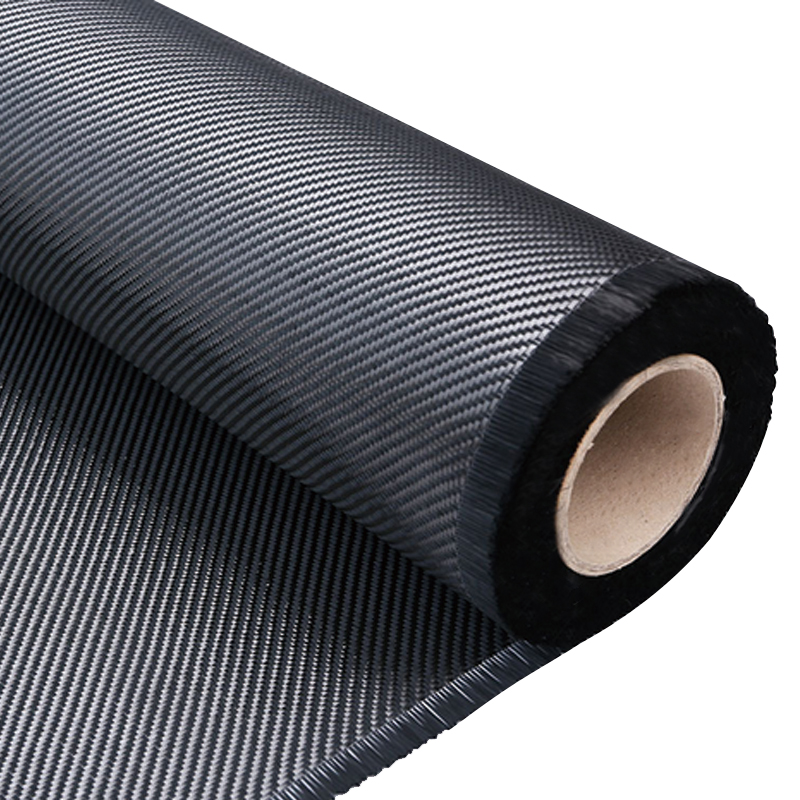
In advanced composite manufacturing, the mechanical integrity of the final part is often compromised before the curing process even begins. The carbon fiber fabric roll, particularly those utilizing high-modulus filaments (such as T700 or T800 grade), is highly susceptible to fiber misalignment and particulate contamination. This technical evaluation outlines the critical storage conditions for carbon fiber rolls and the handling precision required to maintain the tensile strength and weave symmetry necessary for aerospace and automotive load-bearing structures.
Environmental Regulation and Moisture Mitigation
Carbon fiber filaments are chemically inert, but the sizing agents and binders used in a carbon fiber fabric roll are sensitive to hygroscopic absorption. Why climate-controlled storage for carbon fiber is mandatory involves the prevention of moisture ingress, which can lead to void formation during the autoclave or RTM process. Maintaining a temperature and humidity range for carbon fiber storage of 20°C (plus or minus 5°C) and relative humidity below 50% is the engineering standard. Furthermore, preventing moisture absorption in fiber fabrics ensures that the interface between the fiber and the resin matrix remains uncontaminated, optimizing the interlaminar shear strength (ILSS) of the finished composite.
Jiangyin Dongli New Materials Technology Co., Ltd. operates from a 32,000-square-meter industrial complex, featuring climate-regulated workshops and 100,000-grade purification zones. We focus on the comprehensive development of high-performance fiber composite materials, integrating material innovation with engineering expertise. As a one-stop factory with full process control, Dongli serves technical sectors such as aerospace engineering, automotive manufacturing, and sports equipment development. Our capabilities include the R&D and production of carbon fiber fabric roll products through advanced weaving and prepreg processes, utilizing autoclave, RTM, and PCM technologies to ensure guaranteed quality and technical precision.
| Storage Parameter | Standard Specification | Engineering Impact |
| Ambient Temperature | 15°C - 25°C | Preserves sizing agent chemistry |
| Relative Humidity (RH) | Less than 50% | Prevents void formation in laminates |
| Cleanliness Level | Class 100,000 Cleanroom | Eliminates particulate contamination |
Mechanical Handling and Prevention of Fiber Distortion
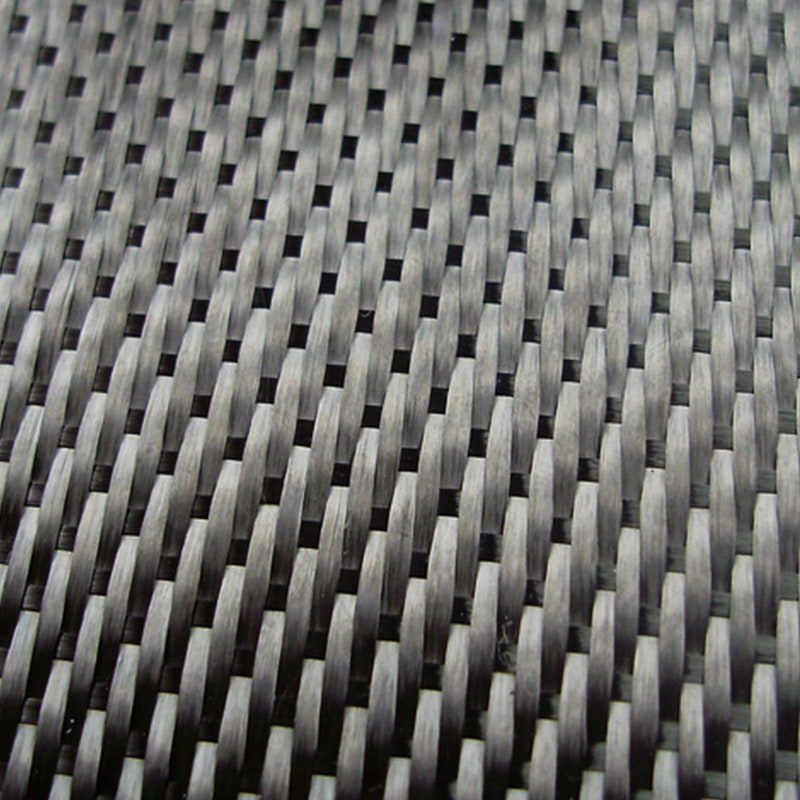
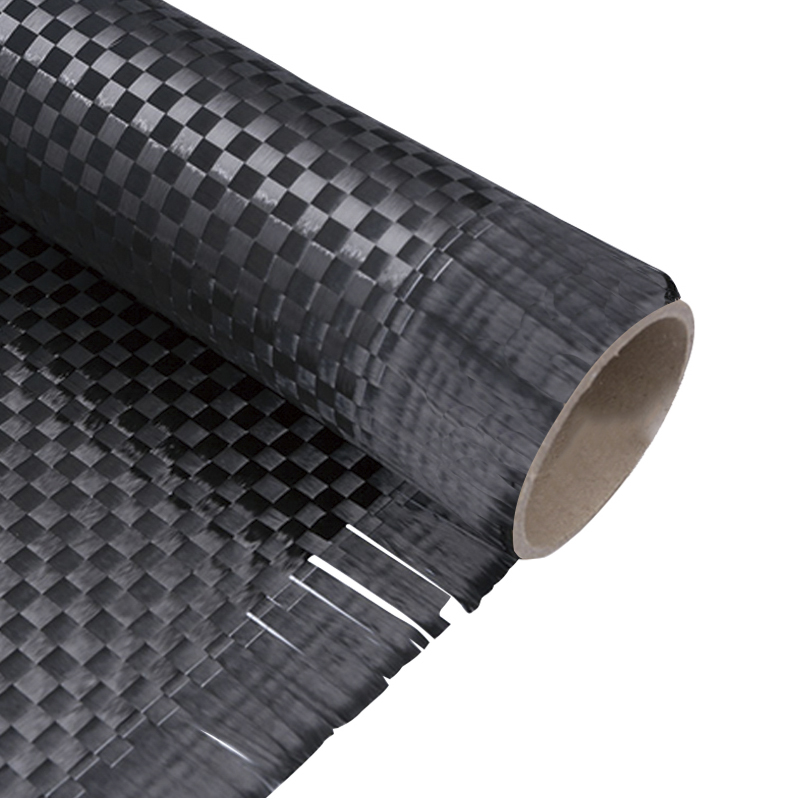
The geometric stability of the weave—whether plain, twill, or satin—is paramount for maintaining the designed tensile strength of a composite layup. Improper handling techniques for carbon fiber fabrics can cause "snagging" or fiber wash, where the filaments shift from their 0/90 degree orientation. A carbon fiber fabric roll should always be supported by its internal core; avoiding vertical storage for fabric rolls is essential to prevent edge crushing and "telescoping" of the weave. Furthermore, how to prevent fiber distortion in carbon fiber rolls involves using mandrel-supported horizontal racks, ensuring the fabric remains under uniform tension without localized pressure points that could induce permanent fiber crimp.
- Core Integrity: Utilizing heavy-duty cardboard or plastic cores to prevent internal collapse during long-term racking.
- Protective Packaging: Ensuring sealed polyethylene bagging for carbon fiber to provide a barrier against dust and airborne silicones.
- Ra Surface Finish: Maintaining a smooth Ra surface finish on cutting tables to prevent snagging during the kitting process.
Why is contamination control critical in 100,000-grade purification zones?
Particulate contamination, such as skin oils or airborne lint, can act as a release agent between the fiber and the resin. Eliminating oil contamination in carbon fiber handling requires personnel to wear lint-free gloves and anti-static garments. In Jiangyin Dongli's 100,000-grade purification zones, the air is filtered to remove particles that could degrade the fatigue life of composite products. By strictly preventing silicone contamination in fiber composite manufacturing, we ensure that the adhesive bond in autoclave and RTM processes meets aerospace-grade structural requirements.
Advanced Processing and Lifecycle Management
The shelf life of carbon fiber prepreg rolls is significantly shorter than dry fabrics due to the reactive nature of the resin system. Engineers must monitor the out-life of carbon fiber materials—the cumulative time a material is kept outside of sub-zero storage. For dry carbon fiber fabric roll applications, the primary concern is long-term storage degradation of fiber sizing. Regular ASTM D3039 tensile testing should be conducted on aged material batches to verify that the mechanical properties remain within design limits. Utilizing automated cutting for carbon fiber fabrics further minimizes manual handling, preserving the weave symmetry and Ra surface finish of the ply stack.
| Property | Testing Standard | Engineering Target |
| Areal Weight Accuracy | ISO 3374 | Plus or minus 3% deviation |
| Fiber Orientation | Visual/Laser Inspection | Within 1 degree of design axis |
| Matrix Adhesion | ASTM D2344 (Short Beam) | Maximize Interlaminar Shear Strength |
What are the benefits of RMCP and PCM technologies for fiber composites?
Advanced technologies like RMCP (Rapid Molding Compound Process) and PCM (Prepreg Compression Molding) require perfectly preserved raw materials. If a carbon fiber fabric roll has been stored poorly, the resulting fiber wrinkling in compression molding will lead to structural failure. Jiangyin Dongli's integration of material innovation with these high-speed processes allows us to meet the agile and personalized needs of the automotive sector, providing one-stop factory solutions that maintain the highest technical standards from the roll to the final cured part.
Technical FAQ
Can carbon fiber rolls be stored vertically?
No. Vertical storage causes the weight of the roll to compress the bottom edges, leading to permanent fiber distortion and weave damage. Always store rolls horizontally using a mandrel through the core.
What happens if carbon fiber gets wet?
Moisture can interfere with resin wetting and cause "micro-voids" during curing. If the fabric is contaminated with water, it should be dried in a vacuum oven at low temperature or discarded for structural applications.
How long can dry carbon fiber fabric be stored?
Dry carbon fiber has an almost indefinite shelf life if kept in a climate-controlled, UV-protected environment. However, the sizing agent may degrade after 3-5 years, potentially affecting resin bonding.
Why are gloves mandatory when handling carbon fiber?
Natural oils from human skin contain silicones and fatty acids that prevent resin from adhering to the fiber surface, creating a localized weak point in the composite laminate.
Does UV light damage carbon fiber rolls?
While the carbon fiber itself is UV-resistant, the sizing agents and protective plastic packaging can degrade under UV exposure. Always store rolls in opaque packaging or dark environments.
Technical References
- ASTM D3039: Standard Test Method for Tensile Properties of Polymer Matrix Composite Materials.
- ISO 1268: Fibre-reinforced plastics — Methods of producing test plates.
- SACMA SRM 20-95: High Altitude Storage and Out-life of Carbon Fiber Prepreg.
 +86-13961668677
 No. 61, Xingyuan Road, Jiefang Village, Gushan Town, Jiangyin City, Jiangsu Province, China.