 Get In Touch
 English
  中文简体
中文简体 عربى
عربى Tiếng Việt
Content
- 1 Epoxy Fiberglass Sheet Mechanical Properties: What Really Matters in Service
- 2 What an Epoxy Fiberglass Sheet Is and Why the Combination Works
- 3 Core Mechanical Properties and What the Numbers Mean
- 4 What Changes Mechanical Properties Between One Sheet and Another
- 5 How Mechanical Properties Show Up in Real Applications
- 6 Selecting a Grade and a Supplier with Confidence
Epoxy Fiberglass Sheet Mechanical Properties: What Really Matters in Service
Imagine a battery pack divider that must stay flat under stacked cell compression, a PCB fixture plate that has to resist clamping deflection, or an electrical enclosure panel that needs to survive an accidental tool drop during maintenance. In all three cases, the electrical insulation rating is only half of the story. If the sheet bends, creeps, or chips at the edges, it fails mechanically long before its dielectric limits are tested.
The conclusion is simple: mechanical properties determine whether an epoxy fiberglass sheet can carry load, hold dimensions, survive handling, and keep performing at operating temperature. This guide explains which properties matter most, what the numbers actually mean, and how to compare grades when choosing a material for a real design.
What an Epoxy Fiberglass Sheet Is and Why the Combination Works
An epoxy fiberglass sheet is a laminated composite made from layers of woven E-glass fabric bonded together with epoxy resin under heat and pressure. The glass fabric supplies stiffness, dimensional stability, and load-bearing capacity; the epoxy matrix locks each yarn in place, transfers stress between layers, seals the laminate against moisture, and provides the toughness that keeps edges and drilled holes from cracking.
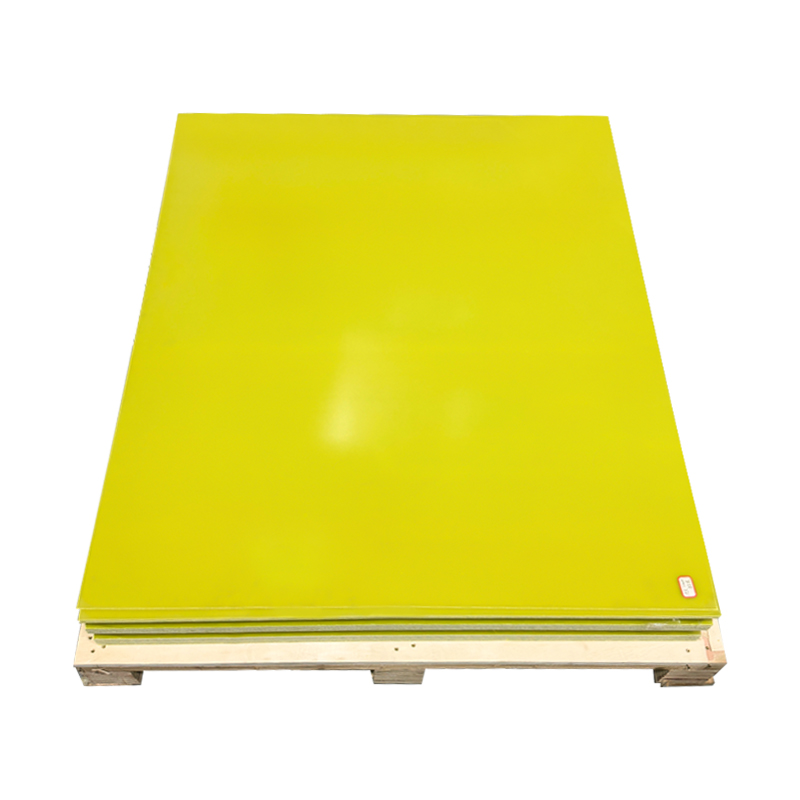
Because the layers are laid up symmetrically, standard grades behave nearly identically in both in-plane directions. That is a real advantage over cast insulating materials, where mechanical strength can vary unpredictably. In production, this material is supplied as standard epoxy fiberglass insulation plates in a wide range of thicknesses, cut sizes, and surface finish options.
 Custom Epoxy Resin Glassfiber Insulation Board Manufacturers, FactoryWe Offer Custom Epoxy Resin Glassfiber Insulation Board, Jiangyin Dongli New Materials Technology Co., Ltd Is China Epoxy Resin Glassfibe...View Product →
Many engineers know the material by the flame-retardant grade commonly labeled FR-4 type, although the same construction is also available without flame retardants when electrical tracking behavior or cost priorities change. Either way, the mechanical logic is identical: a balanced woven reinforcement inside a tough thermoset matrix.
You can think of the sheet as a structural material that happens to also be an electrical insulator. That dual role explains why it appears in battery pack insulation, PCB fixtures, busbar supports, transformer components, and countless other precision electrical assemblies.
Core Mechanical Properties and What the Numbers Mean
Engineers most often ask about six mechanical properties. The values below are realistic ranges for a general-purpose flame-retardant grade tested in the plane of the sheet. They follow standardized mechanical testing of woven reinforcement fabrics, so results are comparable across suppliers when thickness and test method are identical.
| Property | Typical Range | Test Standard | Design Relevance |
|---|---|---|---|
| Flexural strength | 310-410 MPa | ASTM D790 | Maximum bending load before failure |
| Flexural modulus | 17-24 GPa | ASTM D790 | Stiffness; controls deflection under load |
| Tensile strength | 250-350 MPa | ASTM D638 | Pulling resistance for bolted or anchored parts |
| Compressive strength | 340-450 MPa | ASTM D695 | Crush resistance in clamped stacks |
| Izod impact strength, notched | 200-320 J/m | ASTM D256 | Toughness against edge impacts and handling damage |
| Interlaminar shear strength | 120-180 MPa | ASTM D732 | Layer adhesion and resistance to delamination |
Flexural strength and flexural modulus are the first two values to check. Flexural testing per ASTM D790 measures how much bending force a small bar can resist before fracture; this is the most relevant number when a sheet spans an unsupported area or acts as a mounting plate. Flexural modulus goes one step further by quantifying how much the sheet will deflect under a given load, which matters whenever flatness is the actual design requirement.
Tensile strength becomes important when the sheet carries a bolted connection, supports a busbar, or anchors a component to a frame. Compressive strength and Izod impact strength together predict behavior in clamped and handled assemblies: high compressive strength keeps drilled holes and trimmed edges from crushing under clamp pressure, while impact strength protects against chipping when tools or parts strike the surface. Interlaminar shear strength is the least obvious but often the most diagnostic value; weak layer adhesion is the classic reason for hairy, powdery, or delaminated edges during machining.
What Changes Mechanical Properties Between One Sheet and Another
Datasheet values describe a specific grade at a specific thickness. In practice, four variables explain most of the differences you will see between boards.
Glass Fabric Architecture and Glass Content
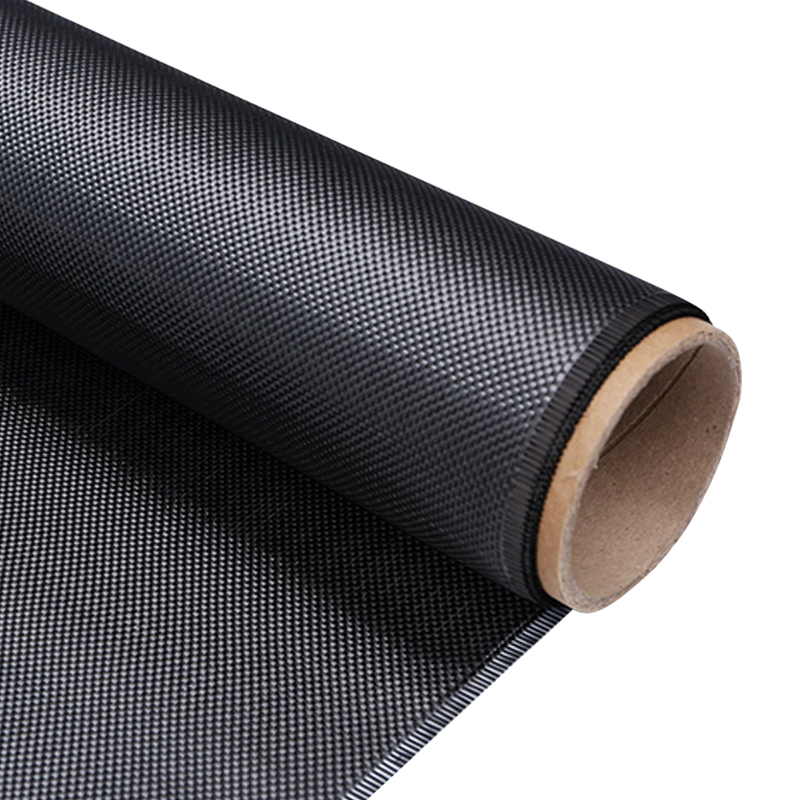
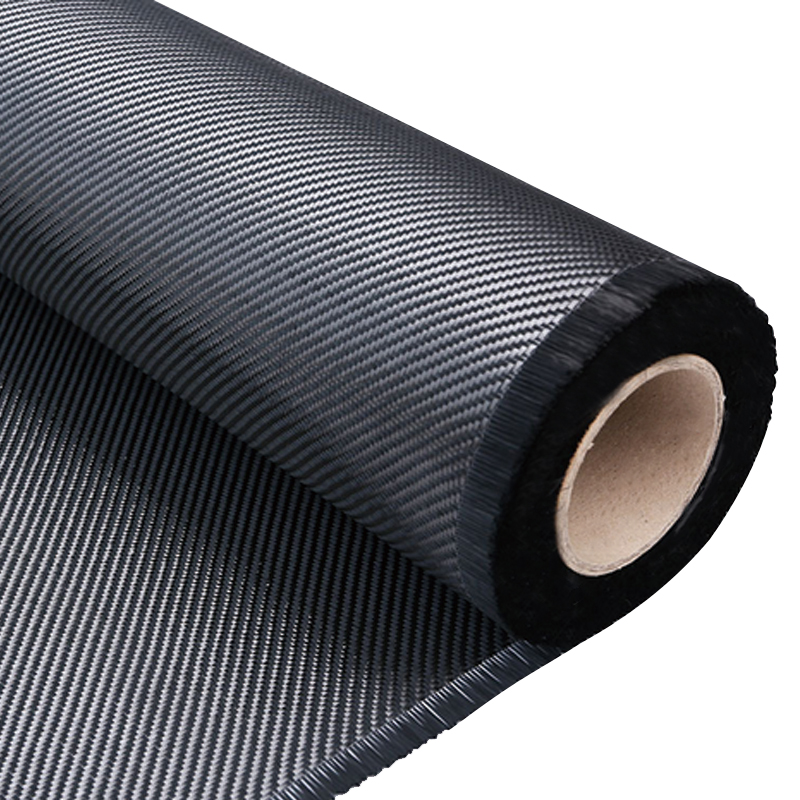
Plain-weave laminates behave almost identically in both directions, while twill and satin weaves offer different draping behavior during layup but end up balanced once laminated flat. The larger influence is the glass-to-resin ratio. A glass content of roughly 60-70 percent by weight produces noticeably higher stiffness, lower creep, and better dimensional stability than a resin-rich laminate of the same nominal thickness.
Resin System and Cure Quality
Epoxy chemistry changes how a sheet behaves at temperature. A standard epoxy system retains most of its room-temperature flexural strength up to roughly 120-140°C, whereas a high-temperature formulation keeps stiffness higher at continuous service temperatures closer to 155°C. When the sheet will sit near power electronics, ask for flexural retention at your maximum service temperature instead of comparing only room-temperature data.
Lamination and Process Consistency
Voids, uneven press pressure, and incomplete cure lower interlaminar shear strength and increase edge-delamination risk. These defects are hard to see on a cut edge, so process control is the real safeguard. The epoxy prepreg systems used inside the layup are a useful indicator of achievable quality, because a supplier that controls resin formulation and prepreg manufacturing can hold mechanical properties within a tighter batch-to-batch spread.
Sheet Thickness
Thin sheets often report higher flexural strength than thick sheets in standardized tests, partly because of test geometry and surface effects. Compare values only at the same thickness: a 0.8 mm sheet and a 6 mm sheet are mechanically different materials even when the composition is identical.
How Mechanical Properties Show Up in Real Applications
Battery Packs and Clamped Assemblies
In battery modules, epoxy fiberglass sheets sit between cells or between the cell stack and the enclosure. The stack applies steady compression, and insertion tooling can push sideways on protruding edges. High compressive strength and clean machined edges, supported by strong interlaminar bonding, prevent progressive edge crushing and the contamination that follows inside a pack. Designers should verify that the sheet keeps its flatness after repeated clamping cycles, not only after the first assembly.
PCB Fixtures and Electrical Equipment
A PCB fixture plate is clamped, drilled, and reworked many times. Flexural modulus determines whether the plate stays flat across its full area under clamp force; when stiffness is insufficient, boards shift and drilling accuracy drops. Glass fabric content and lamination quality also drive dimensional stability in humid shop environments. For the enclosure parts and brackets around those fixtures, manufacturers often combine standard sheets with custom composite parts for electronic equipment so the whole assembly shares similar thermal expansion behavior.
Temperature and Moisture Derating
Mechanical properties are not constant in service. At 150°C, a standard grade may retain only 50-60 percent of its room-temperature flexural strength, and absorbed moisture can reduce that value by another 10-20 percent. Evaluate strength at the combination of worst-case temperature and humidity rather than at standard laboratory conditions.
Machining Behavior
Good mechanical properties make machining easier. A sheet with sound interlaminar bond produces round drilled holes, clean milled edges, and consistent punch quality; a weak bond produces powdery edges and white delamination lines. Use carbide tooling with sharp geometry, keep chip loads light, and avoid excessive spindle speeds so the resin does not overheat.
Selecting a Grade and a Supplier with Confidence
Start with the load path. Define the highest mechanical stress the sheet will carry, including clamping pressure, impact during handling, and any restraint of thermal expansion. Then choose a thickness and a grade that keep deflection inside your tolerance, comparing data at the same thickness and the same testing standard.
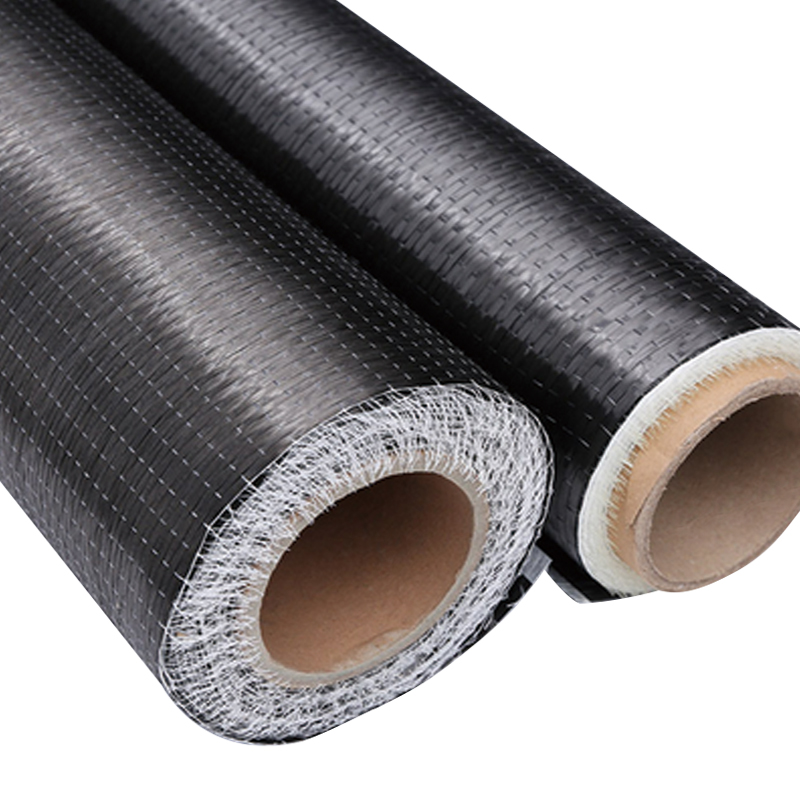
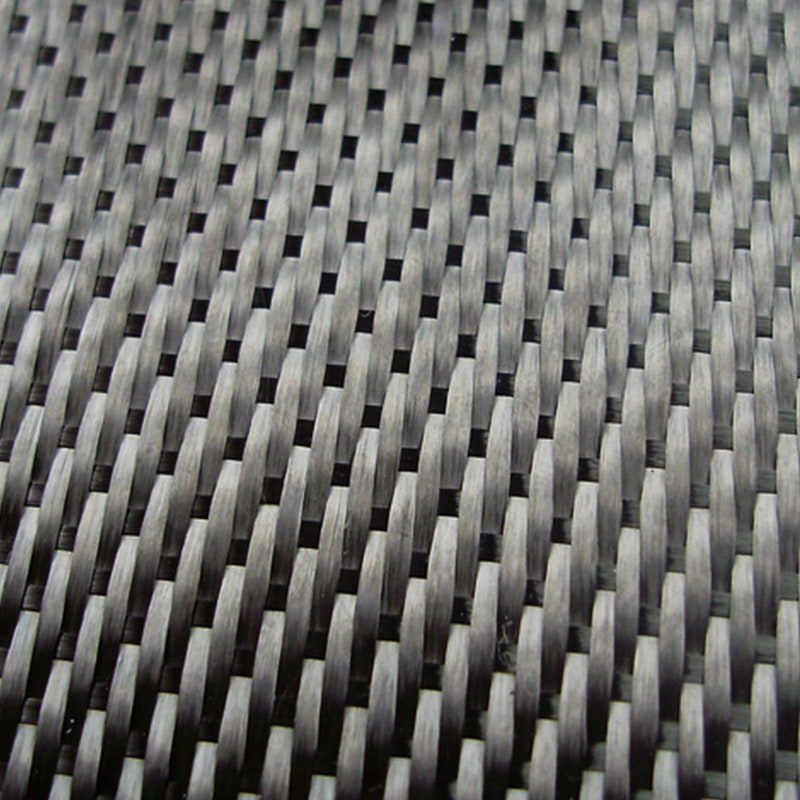
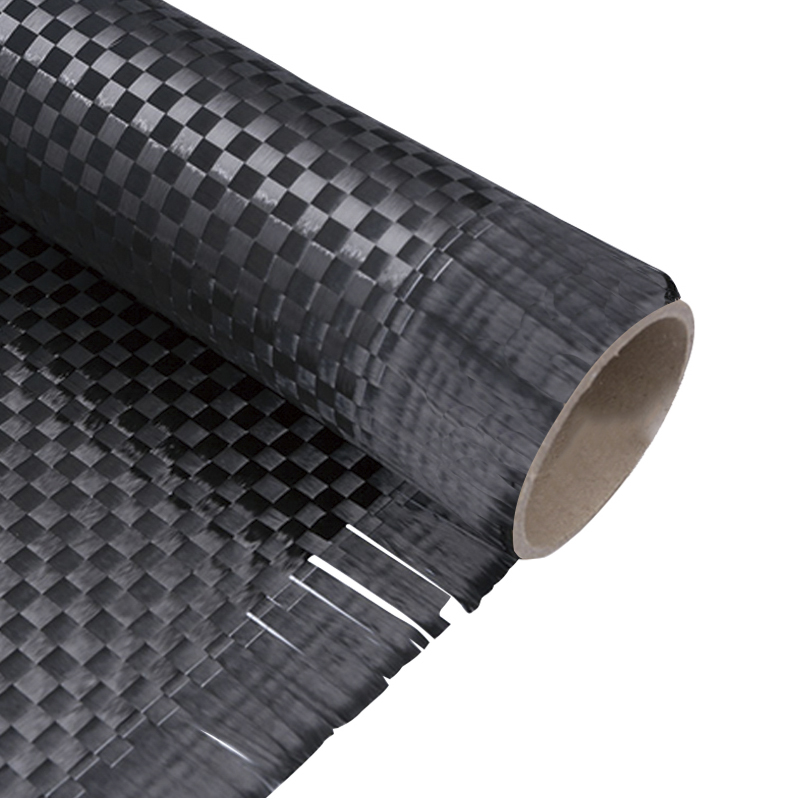
If the required bending stiffness or impact resistance exceeds what epoxy fiberglass can offer, carbon fiber composite sheets are the practical upgrade, providing higher modulus and strength for load-bearing roles where electrical insulation is a secondary requirement. For most electrical insulation applications, however, a correctly selected epoxy fiberglass sheet is both adequate and more economical.
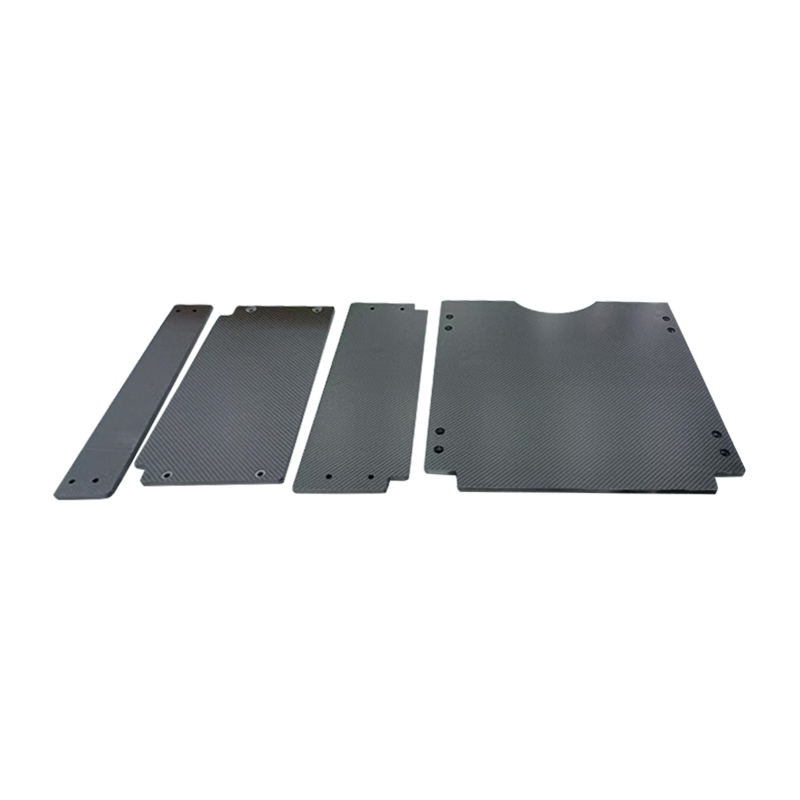 Custom 25-250 Thickness, Lightweight Yet Rigid Carbon Fiber Sheet/Panels/Plate MWe Offer Custom 25-250 Thickness, Lightweight Yet Rigid Carbon Fiber Sheet/Panels/Plate, Jiangyin Dongli New Materials Technology Co., Lt...View Product →
Work through these steps when specifying a sheet for a new design:
- Identify the highest mechanical load and its direction.
- Set minimum flexural strength and modulus at the worst-case service temperature.
- Choose a thickness that keeps deflection within tolerance.
- Confirm machining requirements, especially hole diameter and edge finish.
- Compare production-batch test data from the supplier rather than a generic datasheet.
When evaluating suppliers, look for documented control over the full process chain: fabric weaving, resin formulation, prepreg coating, lamination, and final machining. A one-stop factory can keep mechanical properties consistent because the material never changes hands between raw fiber and finished sheet. Confirm that custom thicknesses and cut dimensions are available, and ask how mechanical test results are sampled from each production run.
 +86-13961668677
 No. 61, Xingyuan Road, Jiefang Village, Gushan Town, Jiangyin City, Jiangsu Province, China.