 Get In Touch
 English
  中文简体
中文简体 عربى
عربى Tiếng Việt
Content
- 1 Heat Is the Real Test of an Epoxy Fiberglass Sheet
- 2 What Limits the Thermal Performance of an Epoxy Fiberglass Sheet
- 3 Four Ways Temperature Resistance Is Improved in Practice
- 4 How to Verify High-Temperature Performance Before You Specify
- 5 Where Improved Thermal Performance Matters in Real Products
- 6 The Practical Takeaway
Heat Is the Real Test of an Epoxy Fiberglass Sheet
We have seen this failure pattern more than once: an insulation board in a lithium battery fixture passes every room-temperature check, yet within months the edges darken, the surface feels waxy, and dielectric strength drops by nearly a third. The fixture sits a few centimeters from cells that run at 70 °C all day, with occasional spikes above 100 °C. The failure was not a quality accident.
Temperature resistance of an epoxy fiberglass sheet is a system property. It is built from four interacting parts: the epoxy resin network, the glass fiber and its surface finish, the filler package, and the curing process that welds them together. Improve one part and you gain a few degrees. Improve all four in a coordinated way, and the continuous service temperature moves from roughly 120 °C to 180 °C or higher.
What Limits the Thermal Performance of an Epoxy Fiberglass Sheet
Before discussing solutions, it helps to identify the four ceilings that hold thermal performance back.
Glass transition temperature sets the first ceiling
Cured epoxy behaves like a rigid solid below its glass transition temperature (Tg). Heat the sheet past Tg, and the polymer network softens, flexural modulus falls, and the material begins to creep under clamping pressure. A standard bisphenol-A epoxy with a common hardener lands between 110 °C and 140 °C, which is acceptable for general electrical insulation but marginal near motor windings, transformer cores, or battery contacts. The practical rule is that continuous operating temperature should stay well below Tg, and Tg should be verified with differential scanning calorimetry (DSC) or dynamic mechanical analysis (DMA), not simply copied from a datasheet.
The fiber–resin interface breaks first in heat cycling
Glass fibers expand slowly; epoxy expands faster. During thermal cycling, shear stresses concentrate at the fiber–resin interface. If the interface is weak, microcracks appear long before the bulk resin degrades, and those cracks become pathways for moisture, tracking, and partial discharge. This is why silane coupling agents on the glass finish are a genuine thermal-performance feature, not a surface treatment detail.
Thermal aging changes the rules
Temperature resistance is not only about the peak temperature the sheet can survive for a few minutes. It is also about surviving years of continuous heat. Epoxy oxidizes slowly at 150–200 °C, losing weight, becoming brittle, and developing surface cracks. A laminate that passes a short-term test can lose half its flexural strength after 500 hours of aging. That is why long-term indicators like the Relative Thermal Index (RTI) matter more than the maximum temperature printed in the marketing brochure.
Four Ways Temperature Resistance Is Improved in Practice
Improvement starts at the resin formulation stage and ends with disciplined process control. Each step contributes a measurable and stackable gain.
Resin chemistry and curing system
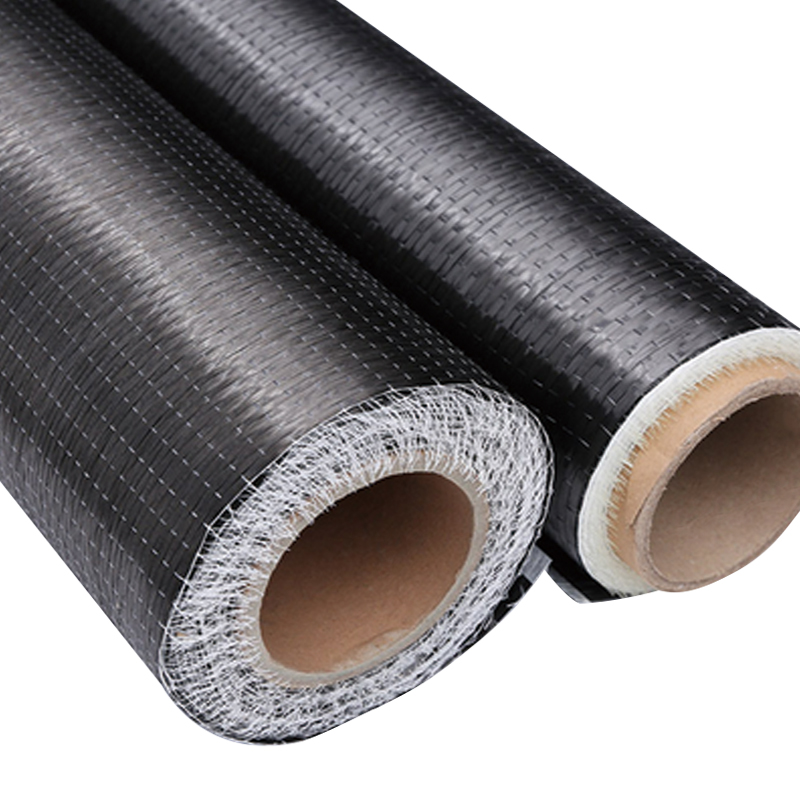
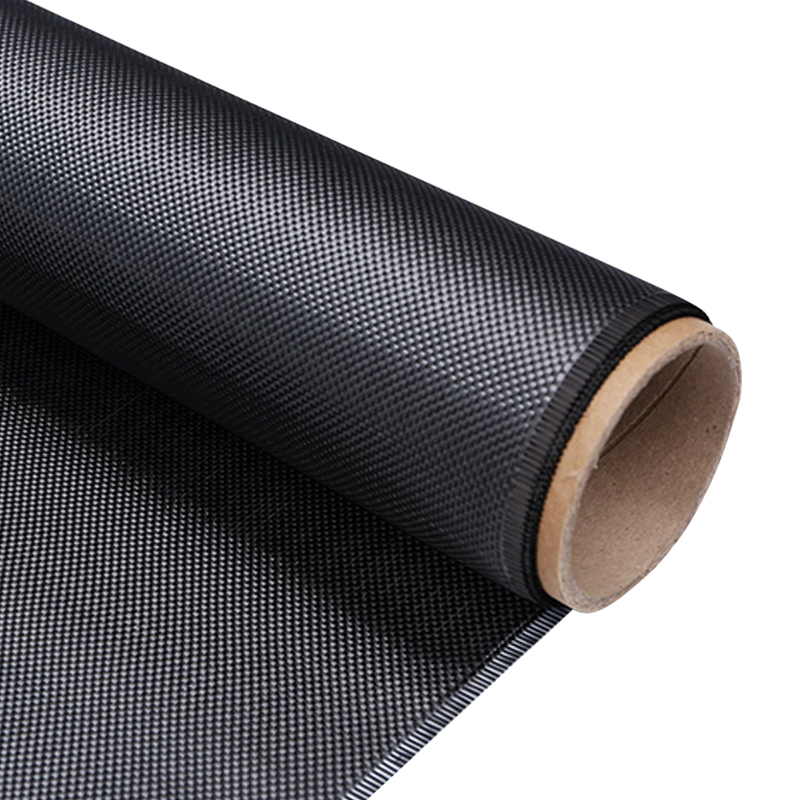
The fastest gain comes from replacing standard bisphenol-A epoxy with a multifunctional or novolac epoxy. These resins form a denser crosslinked network, which raises Tg and slows oxidative degradation. Pairing them with aromatic amine or anhydride curing agents adds roughly 20–40 °C of thermal margin compared with conventional hardeners, and a controlled post-cure step pushes the final Tg above the maximum temperature the sheet will see in service. The resin decision is locked in at the impregnation stage, which is why our epoxy prepreg line is engineered for thermal performance from the start. Once the glass cloth is coated, no later process step can recover a weak formulation.
 Custom Epoxy Carbon Fiber Prepreg Manufacturers, FactoryWe Offer Custom Epoxy Carbon Fiber Prepreg, Jiangyin Dongli New Materials Technology Co., Ltd Is China Epoxy Carbon Fiber Prepreg Manufac...View Product →
Glass fiber and interface engineering
Fiber type sets the long-term ceiling. Standard E-glass is adequate for most insulation duty, but laminates intended for sustained heat use E-CR glass or S-glass, which retain stiffness at higher temperatures and resist hydrolysis better. The glass finish matters just as much. A compatible silane coupling agent creates chemical bonds between the glass surface and the epoxy network, delaying interface failure under thermal cycling and keeping flexural strength intact after aging.
Fillers that absorb heat and slow expansion
Thermally conductive, electrically insulating fillers such as fused silica, alumina, or boron nitride lower the coefficient of thermal expansion and pull heat away from hot spots. Aluminum hydroxide contributes differently: it releases water vapor above 200 °C, which suppresses flame spread and smoke. The filler package only works when particle size and dispersion are controlled, since agglomerated fillers create stress concentrations that degrade mechanical performance at high temperature.
Cure cycle and process control
Chemistry is only as good as the process that realizes it. The laminate should be laid up in a controlled environment, because dust and humidity create voids that become failure nuclei under heat. Consolidation under heat and pressure must follow a cure cycle matched to the resin system, followed by a post-cure that relieves internal stress. In our 32,000 m² production base, constant-temperature workshops and a 100,000-class cleanroom protect this step, and cure schedules are tuned per resin grade so that the finished sheet actually reaches the Tg the chemistry promises.
How to Verify High-Temperature Performance Before You Specify
Improvement claims need evidence. When comparing suppliers, look beyond the headline Tg and ask for the properties below.
| Indicator | Test method | What to ask for | Why it matters |
|---|---|---|---|
| Glass transition temperature (Tg) | DSC or DMA | 150 °C or higher for continuous duty above 120 °C | Sets the short-term thermal ceiling |
| Relative Thermal Index (RTI) | UL 746B | 130 °C or higher for electrical and mechanical properties | Confirms long-term survival under heat |
| Flexural strength retention | Heat aging, e.g. 180 °C for 500 h | At least 75% retention | Shows resistance to oxidation and embrittlement |
| Dielectric strength at elevated temperature | IEC 60243 at service temperature | Stable compared with room-temperature value | Prevents tracking and insulation breakdown |
| Flammability | UL 94 | V0 rating | Required for electrical enclosures and battery assemblies |
| Comparison Tracking Index (CTI) | IEC 60112 | 600 V or higher | Indicates resistance to electrical tracking on hot, humid surfaces |
A supplier who can explain how each value was measured — the cure cycle, specimen thickness, aging protocol, and conditioning — is more reliable than one who sends a single-page datasheet. The thermal testing standards used for thermoset prepregs give a practical template for the full set of reports to request.
Where Improved Thermal Performance Matters in Real Products
Higher temperature resistance is not an abstract specification. It directly affects reliability in a handful of demanding applications.
Lithium battery packs and power electronics
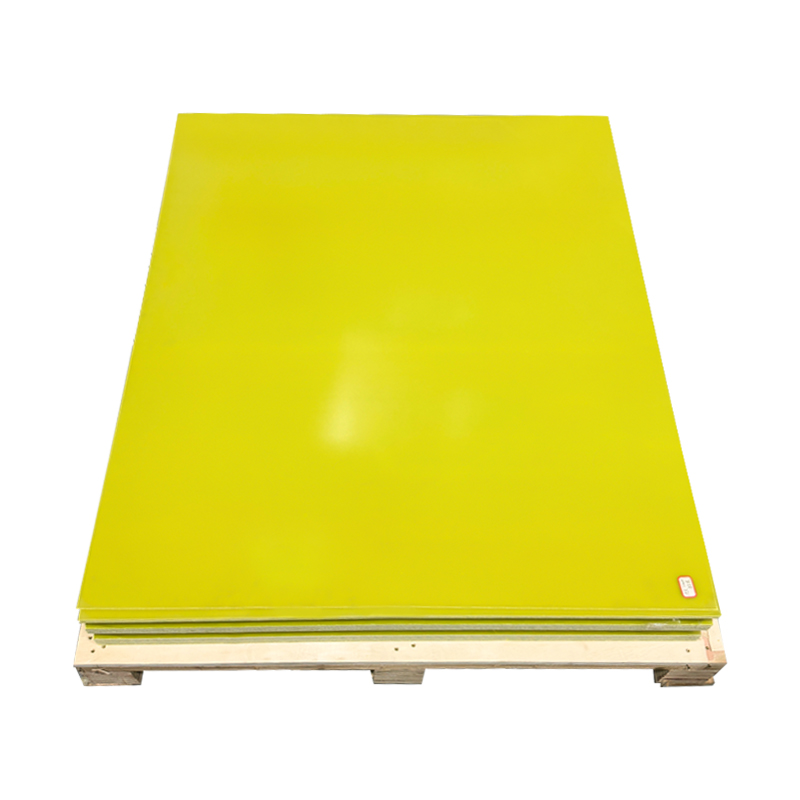
Cells in a lithium battery pack generate continuous heat, and busbars and connectors create hot spots during high discharge. Insulation sheets used between cells, below busbars, or inside the pack housing must hold dielectric strength at 80–100 °C for years, not hours. For the same reason, our epoxy fiberglass insulation plate is produced with a UL 94 V0-rated formulation and controlled thickness, and it is widely used in battery pack insulation and electrical equipment. We also manufacture battery pack housings and insulation components for customers who need the same thermal discipline in finished parts.
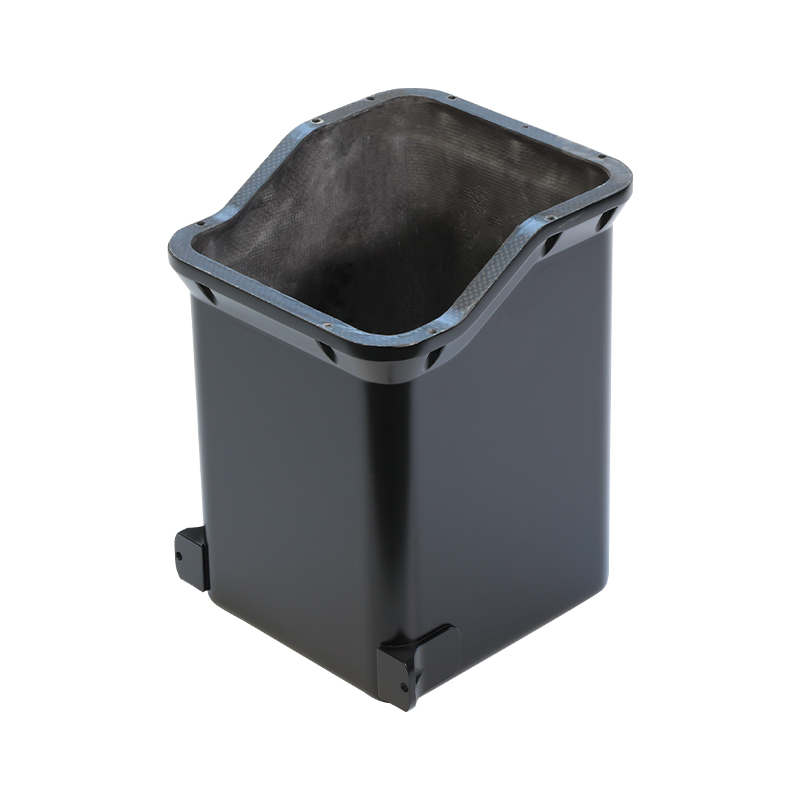 Custom Carbon Fiber Battery Box Manufacturers, FactoryWe Offer Custom Carbon Fiber Battery Box, Jiangyin Dongli New Materials Technology Co., Ltd Is China Carbon Fiber Battery Box Manufacture...View Product →
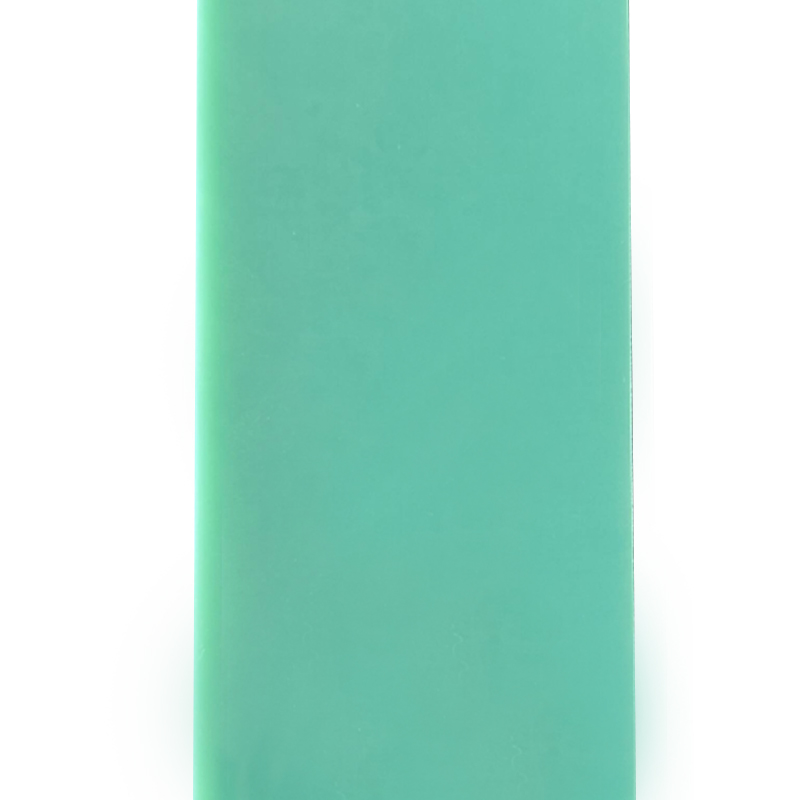 Custom Epoxy Resin Glassfiber Insulation Board Manufacturers, FactoryWe Offer Custom Epoxy Resin Glassfiber Insulation Board, Jiangyin Dongli New Materials Technology Co., Ltd Is China Epoxy Resin Glassfibe...View Product →
PCB fixtures and soldering tooling
Test fixtures and wave-soldering pallets see repeated thermal shock. A sheet with insufficient Tg softens, warps, and loses dimensional accuracy, which translates directly into misaligned probes and failed test cycles. Higher-Tg laminates hold flatness across repeated reflow processes.
Transformers, switchgear, and rotating machines
In transformers and switchgear, insulation plates separate conductors at different potentials. Hot spots combined with humidity are the classic recipe for electrical tracking, so high CTI and stable dielectric strength at operating temperature become safety-critical. In motors and generators, slot insulation must resist both heat and vibration; the fiber–resin interface quality decides how long it survives.
When the application is structural rather than electrical — and the load, not the voltage, is the design driver — carbon fiber composite plates are the usual choice. For extreme thermal conditions where both insulation and mechanical support are needed, high-temperature aramid fiber fabrics are a complementary material family worth evaluating.
The Practical Takeaway
Temperature resistance in an epoxy fiberglass sheet is not a single datasheet number. It is the result of a coordinated system: multifunctional resin, matched curing agent, thermally stable fiber, controlled fillers, and a cure cycle that delivers the promised Tg. Each layer adds measurable margin, and the weakest layer defines the final limit.
When you specify a sheet, define the continuous operating temperature, the peak temperature, and the intended service life first. Then ask for the aging data, not just the fresh values. A manufacturer with full-process control — from glass cloth impregnation to final panel lamination — can give you a straight answer, because the thermal performance was built in from the first step.
 +86-13961668677
 No. 61, Xingyuan Road, Jiefang Village, Gushan Town, Jiangyin City, Jiangsu Province, China.