 Get In Touch
 English
  中文简体
中文简体 عربى
عربى Tiếng Việt
Content
What Is Epoxy Fiberglass Sheet?
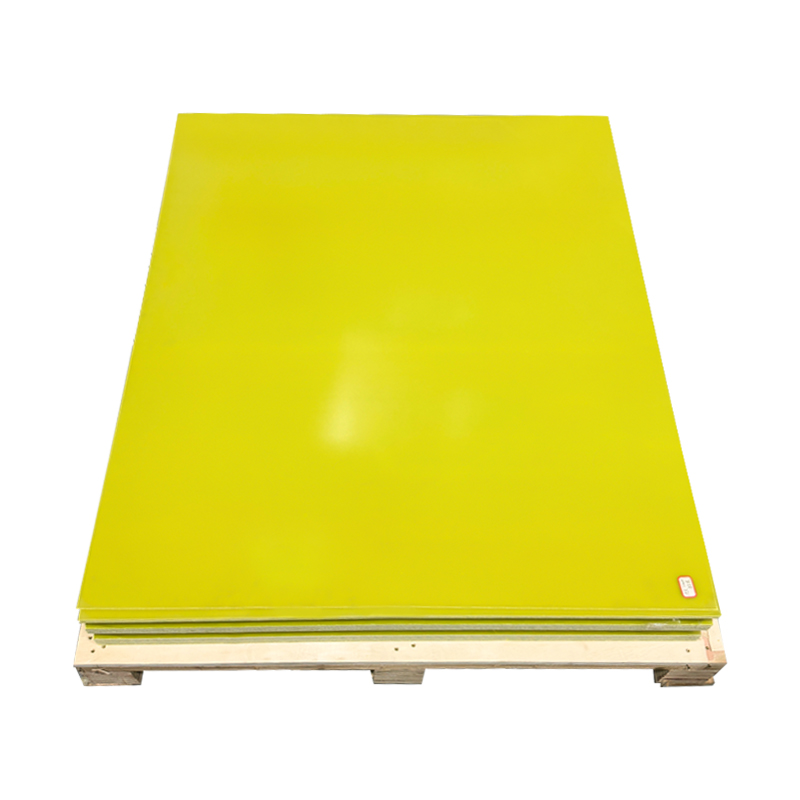
A purchasing engineer comparing insulation materials often sees three names for what appears to be the same product: epoxy fiberglass sheet, epoxy glass laminate, and G10 or FR4 board. They all refer to a thermoset laminate made by combining woven glass fiber cloth with epoxy resin under heat and pressure. The glass cloth carries the mechanical load, while the cured epoxy resin bonds the layers and provides electrical insulation, chemical resistance, and moisture protection.
Put simply, an epoxy fiberglass sheet is a glass-reinforced epoxy laminate. It is chosen when an application needs high mechanical strength, stable dimensions, and reliable electrical insulation in a thin, machinable panel.
How It Is Made
Manufacturing starts with electronic-grade woven glass fiber cloth. The cloth is impregnated with liquid epoxy resin and partially cured to form a tacky epoxy prepreg. Then multiple prepreg layers are stacked to reach the specified thickness and pressed under heat. The heat cures the resin and the pressure removes trapped air. Resin content, cure cycle, and press quality determine the final dielectric strength, flexural modulus, and void content.
 Custom Epoxy Carbon Fiber Prepreg Manufacturers, FactoryWe Offer Custom Epoxy Carbon Fiber Prepreg, Jiangyin Dongli New Materials Technology Co., Ltd Is China Epoxy Carbon Fiber Prepreg Manufac...View Product →
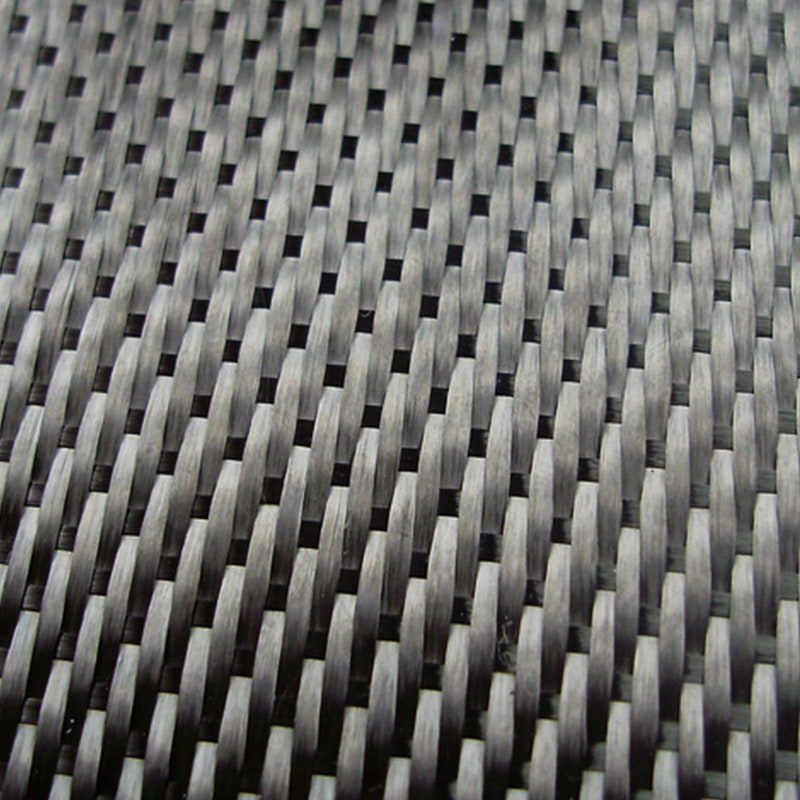
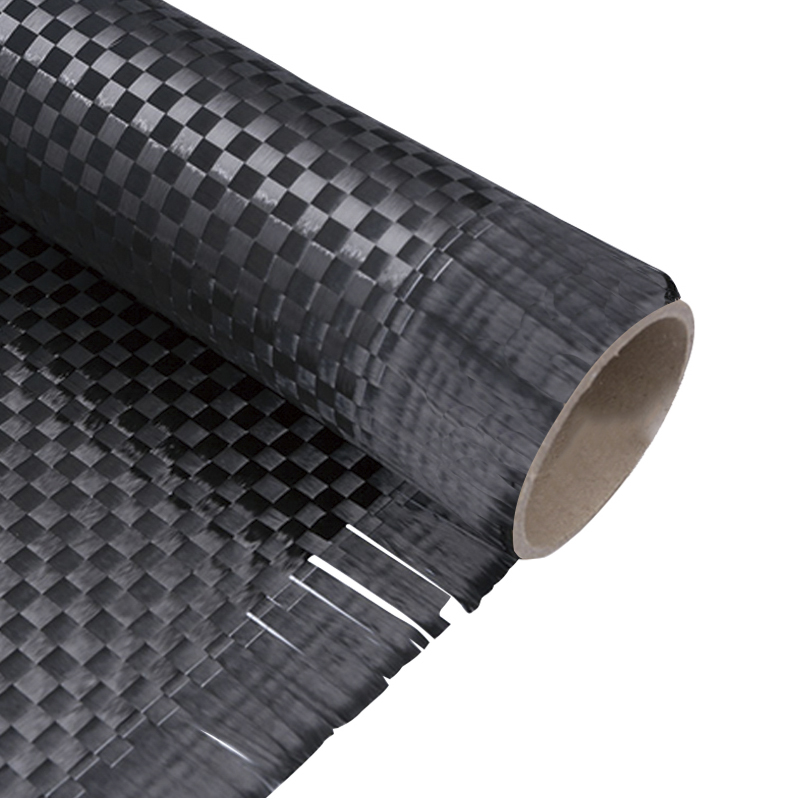
The same resin chemistry is used in other high-performance composite forms, such as epoxy carbon fiber prepreg, although the reinforcement changes the mechanical and electrical profile.
Common Grade Designations
Several grade names appear across datasheets. G10 is the general-purpose grade with good mechanical strength and insulation. FR4 is the flame-retardant version and normally meets UL94 V0. G11 retains more strength at elevated temperatures. In China, 3240 is commonly used for epoxy phenolic glass cloth laminate. These designations help you narrow down the fire safety and temperature requirements before you request a quote.
Key Properties and Why They Matter
Epoxy fiberglass sheet is not a decorative material. It is specified because it solves engineering problems: creepage failures, dimensional drift, moisture pickup, or machining damage.
Electrical Insulation and Dielectric Strength
Both the glass cloth and the cured epoxy resin are electrical insulators. A dense laminate therefore offers high dielectric strength and low water absorption. That combination makes it a dependable barrier in terminal boards, busbar supports, transformer spacers, and PCB drilling fixtures.
Mechanical Strength and Dimensional Stability
The woven glass reinforcement carries the tensile stress, and the resin transfers load between layers. At common thicknesses of 1.5 mm to 3 mm, the board stays stiff across wide unsupported areas. Because the material is cured under pressure, it resists warping better than unreinforced thermoplastic sheet when exposed to heat, humidity, or mechanical clamping.
Heat, Flame, and Chemical Resistance
FR4-grade boards are rated UL94 V0, meaning the material stops burning within a defined time after the ignition source is removed. The laminate also withstands mild acids, alkalis, and common industrial solvents. Above the resin glass transition temperature, mechanical properties decline, so the maximum continuous service temperature is a critical value to verify before use.
Grade Selection and Ordering Criteria
Grade selection should be driven by operating temperature, fire safety requirements, and the electrical clearance you need to maintain.
| Grade | Flame Rating | Temperature Behavior | Typical Applications |
|---|---|---|---|
| G10 | HB or not rated | Moderate continuous service temperature | Machined parts, spacers, general insulation |
| FR4 | UL94 V0 | Similar to G10 with improved fire safety | PCBs, electrical panels, battery insulation |
| G11 | UL94 V0 possible | Better retention of strength at high temperature | Transformer insulation, hot industrial equipment |
What to Verify Before You Order
Thickness tolerance is the easiest specification to overlook. A board sold as 3 mm may measure 2.8 mm, and that difference can reduce creepage distance in an electrical assembly. Ask for nominal thickness, tolerance, dielectric strength, and test reports for the exact thickness you plan to use.
Custom Sizing and Machining
Epoxy fiberglass sheet can be cut, drilled, routed, and milled with carbide tooling. For volume production, custom dimensions reduce waste and labor. Surface finish, edge condition, and panel flatness should also be agreed with the factory so that downstream machining does not expose voids or fiber roughness.
Common Applications Across Industries
Epoxy fiberglass sheet appears wherever an electrical fault would cause downtime or a safety risk, and where the panel must also hold a mechanical load.
Electrical Equipment and PCB Fixtures
Insulating barriers, busbar supports, terminal boards, and PCB drilling fixtures use the board's dielectric strength and dimensional stability. A flat, stable fixture is essential for accurate hole positioning across thousands of drill cycles.
Battery and Energy Storage Insulation
Thin FR4 sheets are placed between cells, on end plates, or under busbars in lithium battery packs. The UL94 V0 flame rating is a common legal and safety requirement for these assemblies.
Transportation and Industrial Components
The material also serves as spacer plates, protective covers, and wear surfaces in machines and vehicle systems. If the structural panel must carry unusually high stiffness or weight-saving demands, engineers often switch from glass-based laminates to carbon fiber composite panels. For the majority of electrical insulation tasks, epoxy fiberglass remains the more economical and proven choice.
Buying Considerations and Supplier Capability
Procurement mistakes usually come from assuming that every board with the same grade name is identical. Resin content, cure cycle, weave type, and finishing all change performance in real equipment.
Check Test Reports, Not Just Datasheets
Ask for verified dielectric strength, water absorption, and flammability data for the exact thickness you are buying. A UL94 V0 marking that appears only on a general brochure is not enough; confirm it against a recognized certification document.
Evaluate Dimensional Control and Machining Margins
Thickness variation affects both electrical clearance and fitting in machined pockets. For high-volume requirements, confirm the tolerance on thickness, length, width, and flatness. A factory that controls the full process from cloth weaving to final pressing is more likely to hold a tight range.
Consider Custom Sizes and Surface Finish
Standard panel sizes are often 1000 x 1000 mm or 1020 x 1220 mm. If you need narrow strips, drilled blanks, or panels with a specific surface profile, factory customization reduces waste and shortens production time. Surface finish also matters for visible panels and for bonding in later lamination steps.
As a one-stop composite factory, we produce our epoxy fiberglass insulation plates under the same process control we use for aerospace, automotive, and electronics components. The same selection approach applies to other reinforcement materials, as outlined in our guide to choosing carbon fiber fabric sheets for composite manufacturing.
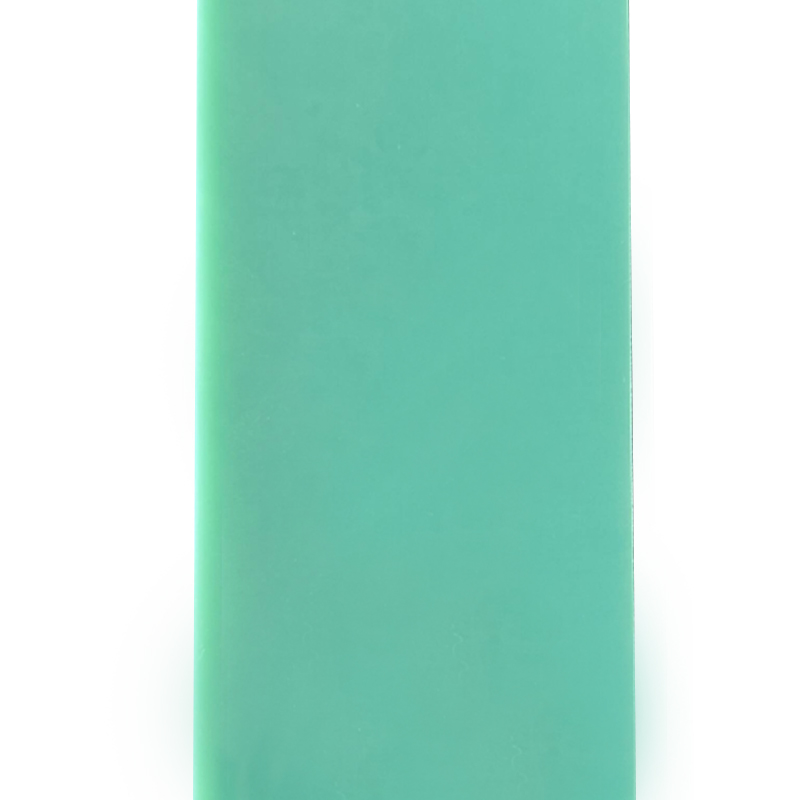 Custom Epoxy Resin Glassfiber Insulation Board Manufacturers, FactoryWe Offer Custom Epoxy Resin Glassfiber Insulation Board, Jiangyin Dongli New Materials Technology Co., Ltd Is China Epoxy Resin Glassfibe...View Product →
The Bottom Line
Epoxy fiberglass sheet is a proven high-pressure laminate for applications that combine electrical insulation, mechanical strength, and dimensional stability. The material itself is well understood, but the grade, thickness tolerance, and flame certification are what separate a reliable board from a production problem. Spend the time on verifying test reports and factory process control; that is the difference between a smooth launch and a batch of failed parts.
 +86-13961668677
 No. 61, Xingyuan Road, Jiefang Village, Gushan Town, Jiangyin City, Jiangsu Province, China.