 Get In Touch
 English
 中文简体
 عربى
 Tiếng Việt

Content
An engineer at a small drone company recently asked for 300 x 400 mm carbon fiber fabric sheets instead of a standard 100 m roll. The reasoning was straightforward: each manual cutting operation on a roll created 4 to 7 percent edge waste, and a single measurement error forced a re-cut that stalled the production line. For a fuselage layup that only consumes 0.6 m of fabric, carrying a 100 m roll means holding 18 months of inventory to use 0.6 percent of it. This is the decision real production floors face every day.
What the Format Difference Actually Changes
Sheet and roll formats differ in more than packaging. They change the physics of your layup, the accuracy of fiber orientation, and the time required per part. The format also affects how much material you have to buy, how much you have to store, and how your production team schedules the work.
With a roll, fibers can shift or spread at the edges when material is pulled and fluttered during measuring. With a pre-cut sheet, the fiber angle is locked at the moment of cutting and stays stable through transport and handling. On a flat or gently curved layup surface, sheet format produces a more predictable ply stack with fewer fiber-angle deviations.
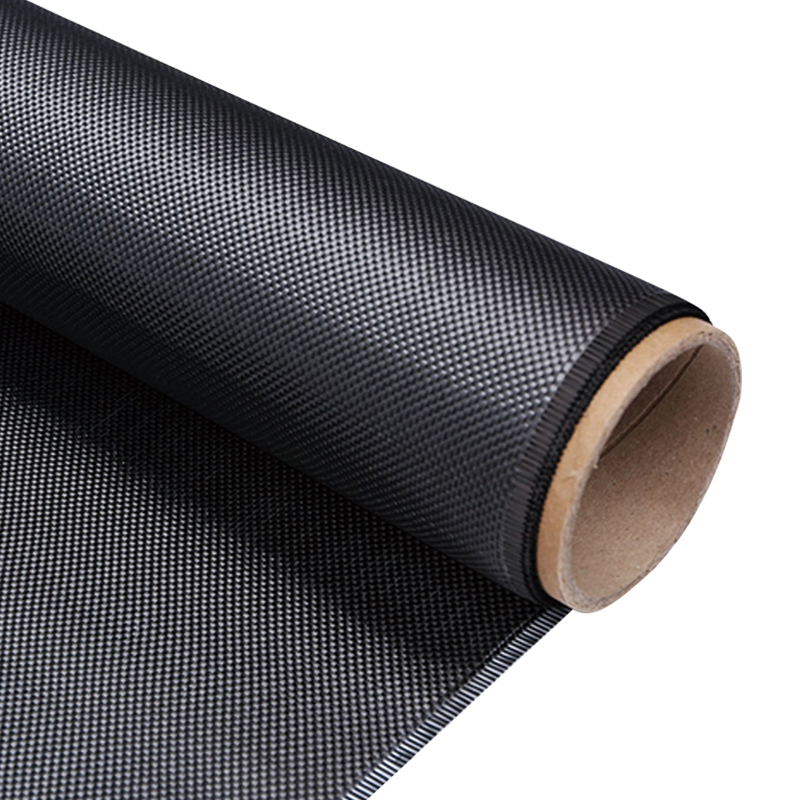
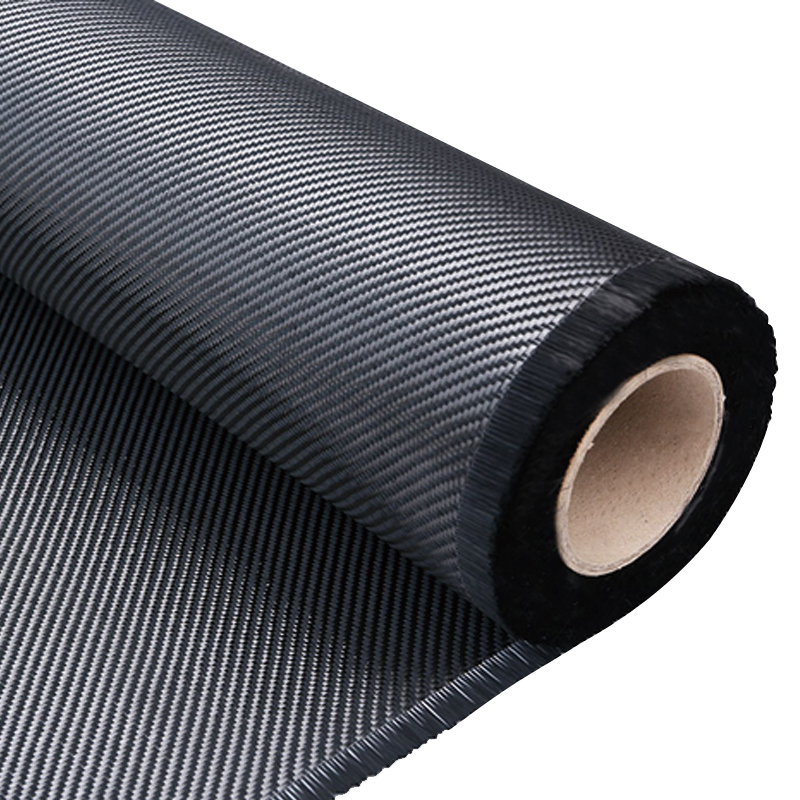
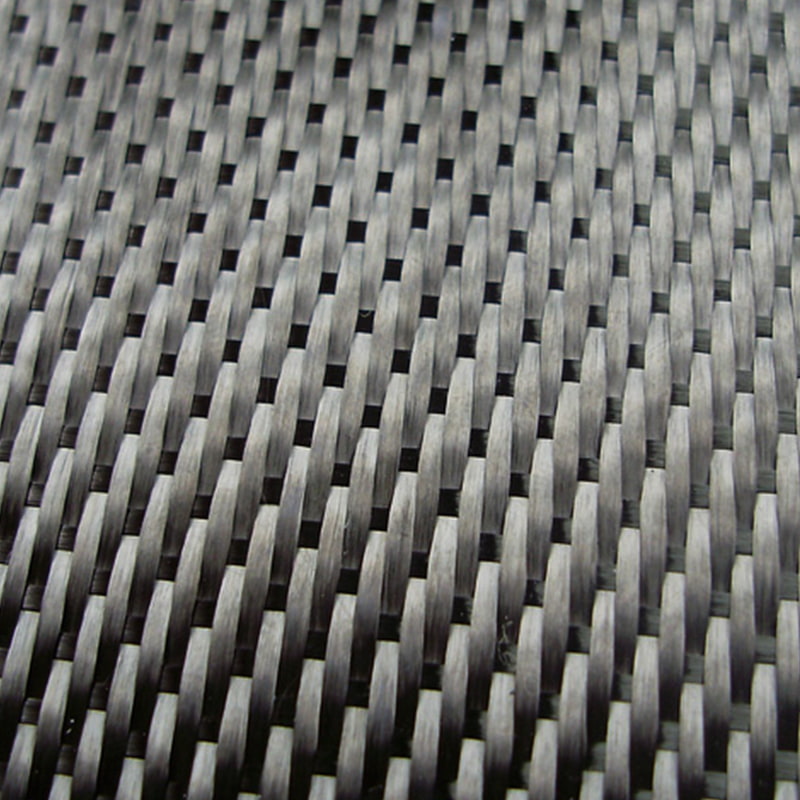
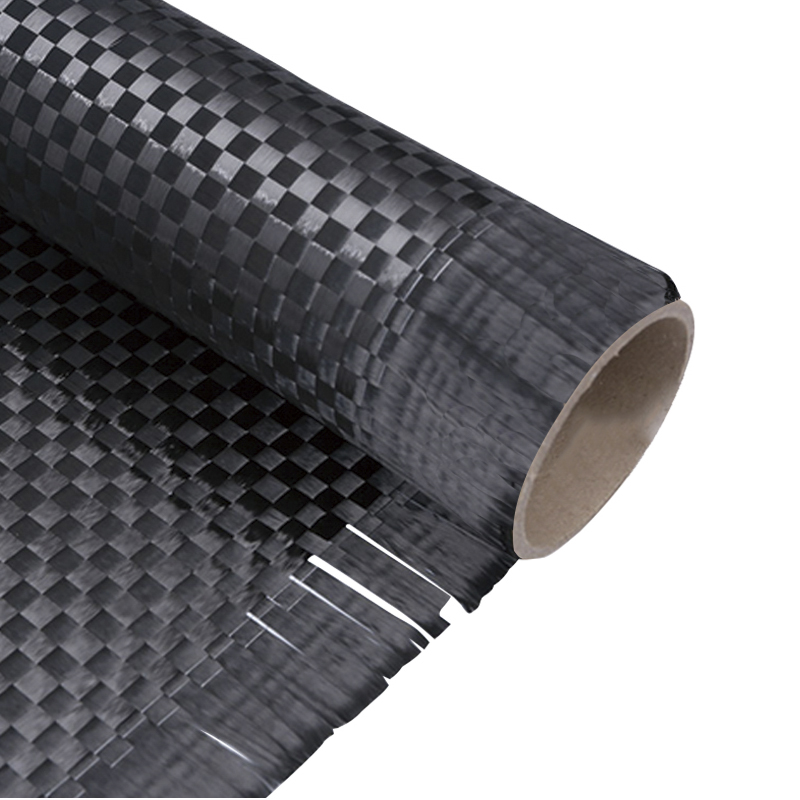
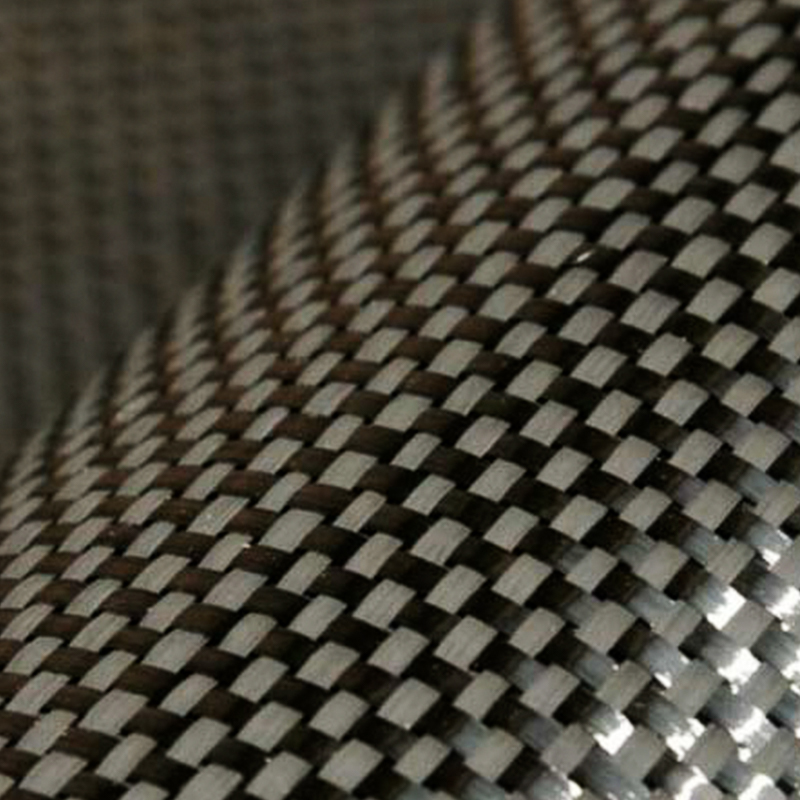 Carbon Fiber Plain Weave Fabric for Consistent Sheet LayupAvailable in 1K, 3K, and 12K weaves, this fabric suits flat or gently curved surfaces. Its stable fiber angle makes it a reliable choice for sheet-format layups, reducing deviations in ply stacks.View Product →
This principle becomes measurable when you compare a 10-part trial run of drone housings. The sheet-fed line finishes the laminates in one shift, while the roll-fed line needs two shifts and still produces 12 percent more offcut scrap.
When Sheet Format Is Clearly Better
Sheet format wins when the layup surface is flat or gently curved, production volume is low to mid, and a single part consumes less than the full roll width. These conditions cover a large share of composite part manufacturing.
- Flat or gently curved layup surfaces where fiber orientation must stay consistent
- Small to medium parts that require nested cutting patterns across a limited footprint
- Prototype, trial, or validation runs before full-scale production is committed
- Workspaces where a roll cannot be supported, racked, or moved safely
- Parts with tight fiber-angle tolerance specifications and documented quality records
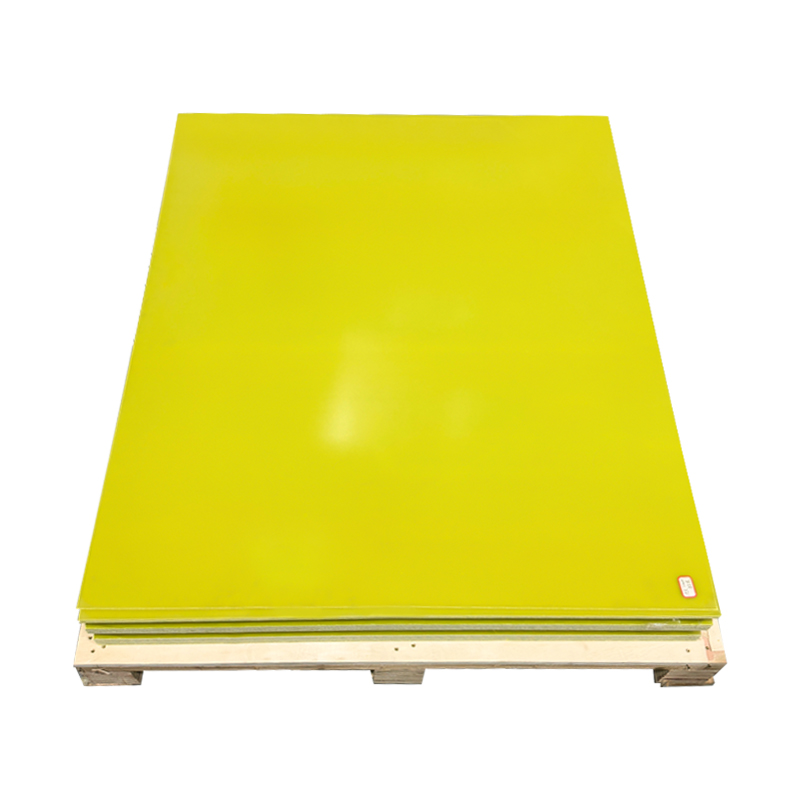
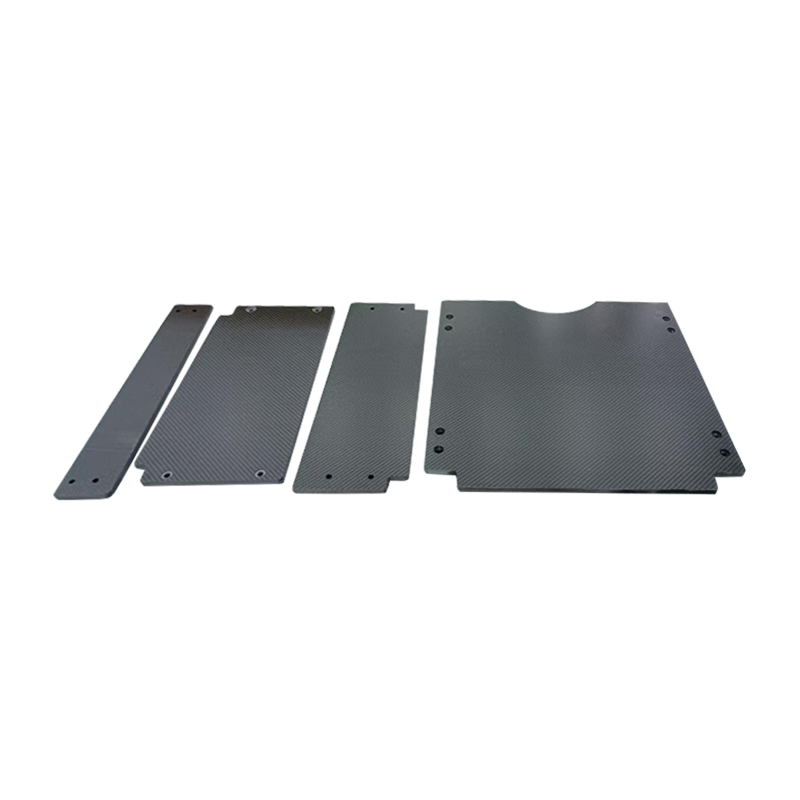 Rigid Carbon Fiber Sheet for Direct Structural UseLightweight yet strong, these sheets come in thicknesses from 25 to 250 microns. As a finished laminate, they eliminate the layup process, offering a fast pathway to structural components.View Product →
Where a rigid laminate skin is the final part requirement, a carbon fiber composite plate arrives already in sheet form, removing the layup process entirely. This is often the fastest route from raw material to finished structural component.
This is why manufacturers of drone housings, automotive interior trim, and sports equipment tend to standardize on sheet format. The parts are compact, the production volumes sit in the hundreds rather than the tens of thousands, and quality requirements demand consistent fiber orientation in every layer.
When Rolls Still Win
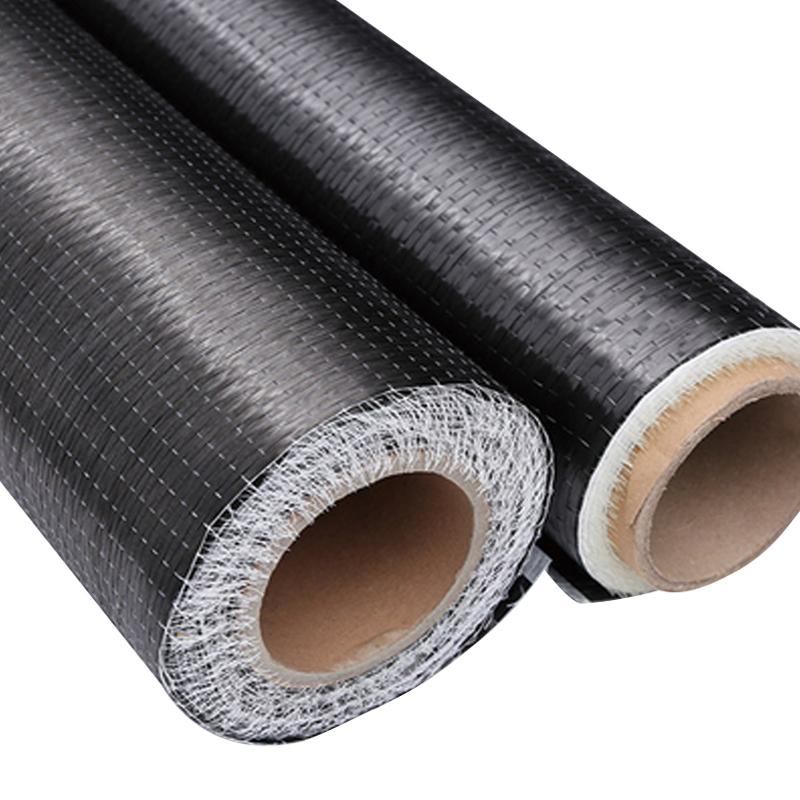
Roll format remains necessary when the production process is continuous and structural parts are long or highly curved. These applications depend on the ability to feed material continuously without splice lines or joints.
- Pultrusion and automated tape laying processes that feed from a continuous web
- Long structural elements such as spars, tubes, and mast arms
- High-volume production with automated cutting tables that optimize nesting across wide material widths
- Shaped parts on molds with complex double curvature that require continuous fiber paths
Sheet format advantages
- Better fiber angle control for flat parts
- Lower setup time for small runs
- Reduced storage space requirements
Roll material advantages
- Lower raw material cost per square meter
- Continuous feed for automated lines
- Best for very long structural parts
Using sheet format in these cases would introduce splice lines or fiber discontinuities, undermining the continuous load path that long structural components depend on.
Sheet vs. Roll: A Side-by-Side Comparison
When deciding which format to specify, the most useful comparison is across the criteria that affect your production floor the most.
| Production criterion | Sheet format | Roll material |
| Fiber angle stability | Maintained by pre-cut edges | Requires careful handling |
| Cutting waste (manual) | 3-8 percent | 8-22 percent |
| Layup time per part | 20-40 minutes | 45-75 minutes |
| Storage footprint | Compact, stackable | Requires vertical racking |
| Best production range | 10-500 parts per configuration | 500+ parts |
| Relative material cost | Higher per square meter | Lower at volume |
What This Means for Procurement Decisions
The cost comparison is not simply sheet price versus roll price. You have to compare total cost per finished part, which includes cutting labor, waste disposal, and the risk of scrapped laminates.
When specifying material, request custom sheet sizes from the supplier and verify the part nesting layout before ordering. A supplier that can cut sheets to your mold contours will save significant downstream processing time.
For a step-by-step method, read our guide on choosing carbon fiber fabric sheets for composite manufacturing.
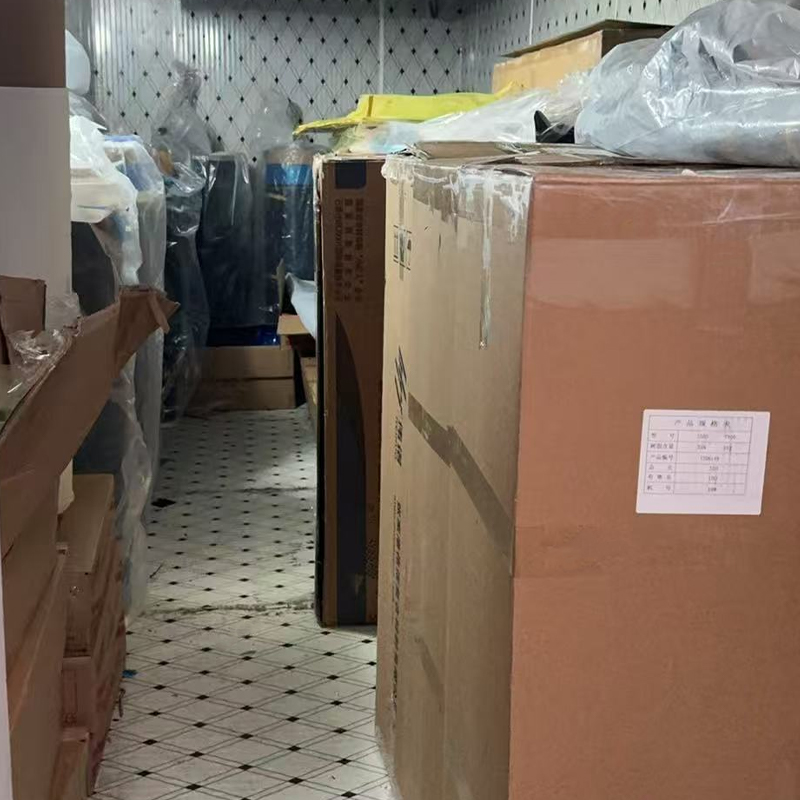 Epoxy Carbon Fiber Prepreg for Low-Volume Batch TrackingThis semi-finished material is available in cut sheets, which simplify freezer storage and batch tracking for projects using under 200 kg per month, aiding controlled processing.View Product →
Epoxy prepreg is delivered in both roll and cut sheet configurations. When a project uses less than 200 kg of prepreg per month, cut sheets reduce freezer storage requirements and simplify batch tracking.
Frequently Asked Questions
Are carbon fiber fabric sheets more expensive than rolls?
On a per-square-meter basis, sheets cost 5 to 15 percent more because of the cutting and packaging labor involved. But the total cost per finished part is usually lower, since you save on cutting time, tooling, and waste disposal. For runs of 10 to 500 parts, the sheet format typically wins on total landed cost.
Can carbon fiber fabric sheets be used for curved surfaces?
Yes. Sheet material conforms to gentle curves well, especially with plain or twill weave drape characteristics. For deep double-curvature molds, choose a satin or unidirectional sheet with good extensibility, or move to a roll-fed process for the most complex shapes.
What is the recommended way to store carbon fiber fabric sheets?
Store sheets flat in a low-humidity, temperature-controlled area, stacked with interlayer paper or foam to prevent fiber breakage. Kept in sealed packaging, standard carbon fiber fabric has no shelf-life limit, but prepreg sheets require freezer storage and must be used within the manufacturer's recommended out-life window.
How do I decide between sheet and roll for my next project?
Estimate your annual consumption for a single part configuration. If you use less than 500 m of material per year and your parts are smaller than 1.5 m in any dimension, choose sheet format. If you are running continuous production or making parts longer than 2 m, choose roll. When in doubt, request a custom cut plan from your supplier.
 +86-13961668677

 No. 61, Xingyuan Road, Jiefang Village, Gushan Town, Jiangyin City, Jiangsu Province, China.
